
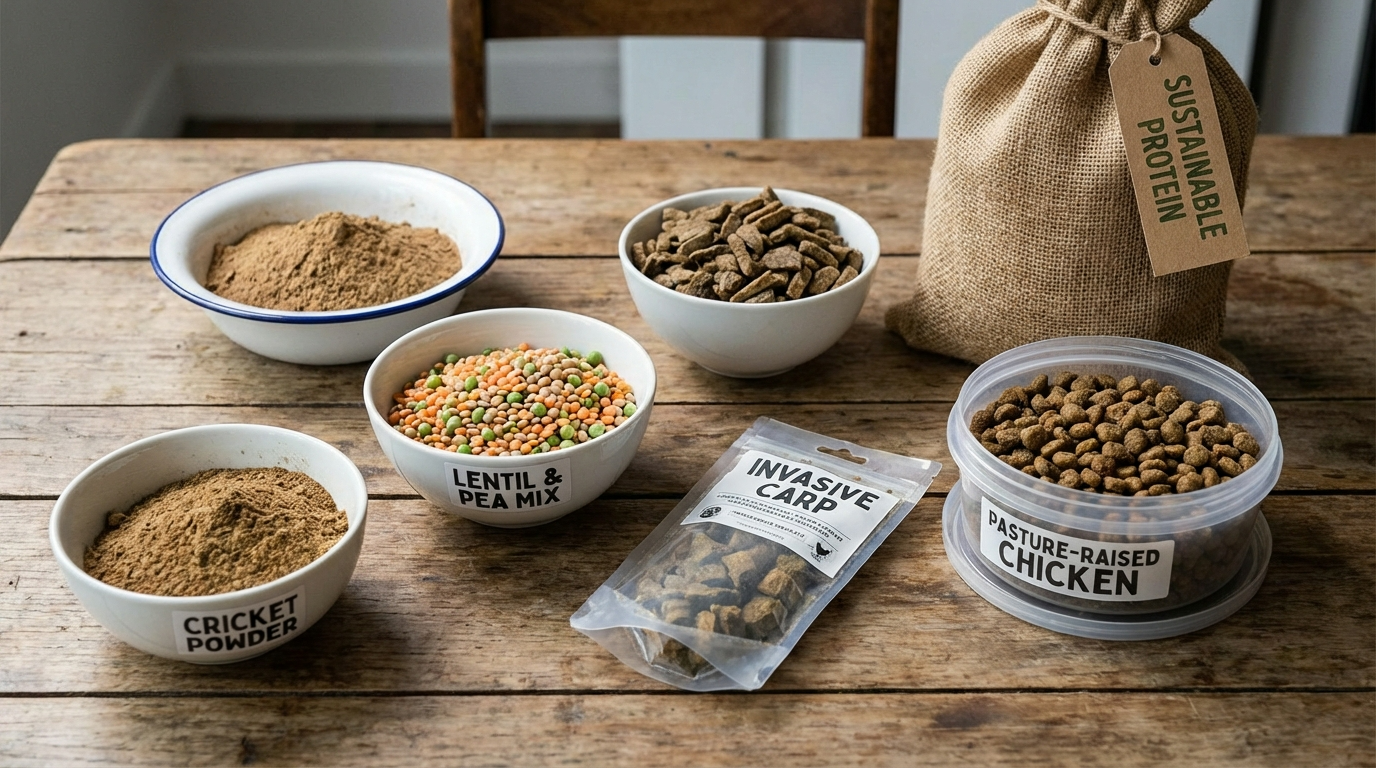

Feeding your dog has always been an act of care. Yet today, it is also an act of responsibility. What goes into your dog’s bowl affects not only their health but the world they live in. That is why sustainable dog protein options are gaining attention among thoughtful pet owners.
Protein fuels muscle, immunity, and vitality. However, traditional protein sources come with hidden costs. Industrial farming strains land, water, and ecosystems. Over time, that pressure ripples outward, affecting food quality, supply stability, and environmental health.
Sustainable dog protein options offer a smarter path forward. They nourish dogs while reducing environmental impact. They support digestion, minimize allergies, and promote long-term wellbeing. Let’s explore the best options available and how they fit into a modern, responsible canine diet.
Why Sustainable Dog Protein Options Matter Today
Pet populations are growing worldwide. At the same time, resource availability is shrinking. Traditional livestock farming demands enormous inputs. Water usage is high. Land degradation accelerates. Emissions rise.
Sustainable dog protein options help break this cycle. They rely on efficient production systems that reduce waste and emissions. Many also repurpose materials that would otherwise be discarded.
From a health perspective, sustainability often aligns with quality. Cleaner inputs mean fewer contaminants. Novel proteins reduce immune stress. Digestibility improves.
Choosing sustainable proteins is not a trend. It is a response to changing realities.
What Makes a Protein Sustainable for Dogs
Sustainability is not a single trait. It is a combination of factors.
A sustainable dog protein option typically:
- Requires less land and water
- Produces fewer greenhouse gases
- Minimizes waste
- Maintains high nutritional value
- Supports ethical sourcing
Importantly, sustainability must never compromise canine nutrition. Dogs require complete amino acid profiles, adequate fats, and essential micronutrients.
The best sustainable proteins meet both environmental and biological needs.
Insect Protein as a Leading Sustainable Dog Protein Option
Insect protein is often considered the gold standard of sustainable dog protein options. While unconventional to humans, it aligns well with canine biology.
Black soldier fly larvae are the most common source. They grow quickly, require minimal resources, and convert feed into protein efficiently.
From a nutritional standpoint, insect protein is impressive. It contains essential amino acids, healthy fats, and minerals like calcium and iron.
Digestibility is high. Many dogs tolerate insect protein exceptionally well, especially those with food sensitivities.
For eco-conscious owners, insect protein checks nearly every box.
Health Benefits of Insect Protein for Dogs
Beyond sustainability, insect protein supports canine health in unique ways.
Because it is a novel protein, immune systems rarely overreact. Dogs with chronic itching or digestive upset often show improvement.
Stool quality tends to stabilize. Gas decreases. Energy levels remain steady.
Insect protein also contains lauric acid, which supports immune defense.
When sustainability and health intersect, insect protein stands out.
Plant-Based Proteins in Sustainable Dog Diets
Plant-based proteins are another category within sustainable dog protein options. Sources include peas, lentils, chickpeas, and soy.
Dogs are omnivores. They can digest plant proteins when diets are properly formulated.
Environmental benefits are clear. Plant proteins require fewer resources than animal farming. Emissions are lower. Land use is reduced.
However, formulation matters greatly. Amino acids must be balanced carefully. Taurine and certain nutrients require supplementation.
When done right, plant-based proteins can support healthy adult dogs.
When Plant Proteins Are Most Appropriate
Plant-based sustainable dog protein options work best in specific situations.
Dogs with meat allergies may benefit. Chronic skin issues sometimes resolve after switching.
Weight management becomes easier due to lower fat content.
Ethical considerations also play a role for some owners.
Veterinary guidance is strongly recommended, especially for long-term feeding.
Algae-Based Proteins as Emerging Sustainable Options
Algae may seem futuristic, yet it holds remarkable promise.
Algae grow rapidly and require minimal land. Water usage is low. Environmental impact remains small.
Nutritionally, algae provide protein, omega fatty acids, antioxidants, and trace minerals.
These compounds support skin, coat, cognitive health, and inflammation control.
Algae proteins are often blended with other sources rather than used alone. This combination enhances nutritional diversity.
As technology advances, algae-based sustainable dog protein options will expand.
Yeast Proteins and Fermentation-Based Nutrition
Yeast proteins represent another innovative category.
Produced through fermentation, yeast requires little space and resources. Production is highly controlled and consistent.
Yeast provides protein, B vitamins, and immune-supporting compounds.
Digestibility is generally good. Palatability improves when blended properly.
Fermentation-based proteins offer reliability and sustainability in one package.
Novel Animal Proteins as Sustainable Alternatives
Not all animal proteins are equally resource-intensive.
Novel animal proteins include duck, rabbit, venison, and goat. These are produced on smaller scales with reduced demand.
Because exposure is limited, allergy risk decreases. Dogs sensitive to chicken or beef often tolerate these proteins well.
Environmental impact remains lower than large-scale livestock farming.
Novel proteins balance familiarity with sustainability.
Upcycled Proteins in Sustainable Dog Nutrition
Upcycling turns waste into value.
Upcycled proteins use byproducts from human food production that remain nutritionally rich. Organ meats, fish trimmings, and surplus cuts fall into this category.
Instead of landfills, these materials nourish pets.
Upcycling reduces waste, conserves resources, and supports circular economies.
When processed safely, upcycled proteins are highly nutritious.
They represent practical sustainability in action.
Digestive Health and Sustainable Dog Protein Options
Digestive health is often the first area of improvement after switching proteins.
Sustainable dog protein options tend to be less processed. Fewer additives are present.
Novel proteins reduce inflammatory responses. Gut lining heals.
Stools become firmer. Nutrient absorption improves.
Better digestion supports energy and immunity.
Skin and Coat Improvements with Sustainable Proteins
Skin reflects internal balance.
Dogs fed sustainable protein options often experience reduced itching and shedding. Coat shine improves.
Fatty acid profiles play a role. Insect and algae proteins provide beneficial fats.
Reduced allergen exposure also calms skin reactions.
Visible improvements reinforce dietary success.
Immune Support Through Cleaner Protein Sources
The immune system depends on protein quality.
Cleaner, sustainable dog protein options reduce toxin load. The immune system focuses on defense rather than detoxification.
Fewer infections occur. Recovery accelerates.
Long-term resilience improves.
Environmental Impact of Sustainable Dog Protein Options
Environmental benefits extend beyond individual dogs.
Reduced emissions slow climate change. Lower water usage preserves ecosystems.
Land conservation protects biodiversity.
Each sustainable choice contributes to collective impact.
Dogs become part of environmental stewardship.
Ethical Dimensions of Sustainable Dog Nutrition
Ethics influence modern feeding decisions.
Sustainable dog protein options align with values of responsibility and care.
They reduce reliance on intensive farming practices.
For many owners, this alignment brings peace of mind.
Nutrition becomes intentional.
Transitioning Dogs to Sustainable Protein Diets
Transitions should be gradual.
Mix new protein with existing food over 7 to 10 days. Increase slowly.
Monitor digestion, energy, and appetite.
Temporary changes may occur. Persistence matters.
Consult a veterinarian for dogs with health conditions.
Choosing High-Quality Sustainable Dog Protein Products
Quality varies.
Look for transparency in sourcing and formulation. Complete nutrition statements matter.
Avoid vague marketing claims.
Science-backed brands inspire confidence.
Quality supports outcomes.
Common Myths About Sustainable Dog Protein Options
Some believe dogs will reject alternative proteins. Many adapt quickly.
Others fear nutritional gaps. Proper formulation addresses this.
Education dispels hesitation.
The Future of Sustainable Dog Protein Options
Innovation continues rapidly.
Research expands. Acceptance grows.
What once seemed niche is becoming mainstream.
Sustainable dog protein options represent the future of pet nutrition.
Conclusion
Sustainable dog protein options offer a powerful combination of health, responsibility, and progress. From insect protein to algae, yeast, novel meats, and upcycled sources, these alternatives support canine wellbeing while reducing environmental strain.
Choosing sustainable proteins is not about sacrifice. It is about evolution. When nutrition aligns with ethics and environmental care, dogs thrive and the planet benefits. Every bowl becomes a step toward a healthier future for pets and people alike.
FAQ
1. Are sustainable dog protein options safe for long-term feeding?
Yes, when properly formulated, they provide complete and balanced nutrition.
2. Can sustainable proteins help dogs with allergies?
Many novel and insect proteins reduce allergic reactions due to limited prior exposure.
3. Will dogs accept alternative protein flavors?
Most dogs adapt well, especially with gradual transitions.
4. Are sustainable dog protein options more expensive?
Some cost more initially, but health benefits may reduce veterinary expenses over time.
5. Should I consult a vet before switching my dog’s protein source?
Yes, especially for puppies, seniors, or dogs with medical conditions.