
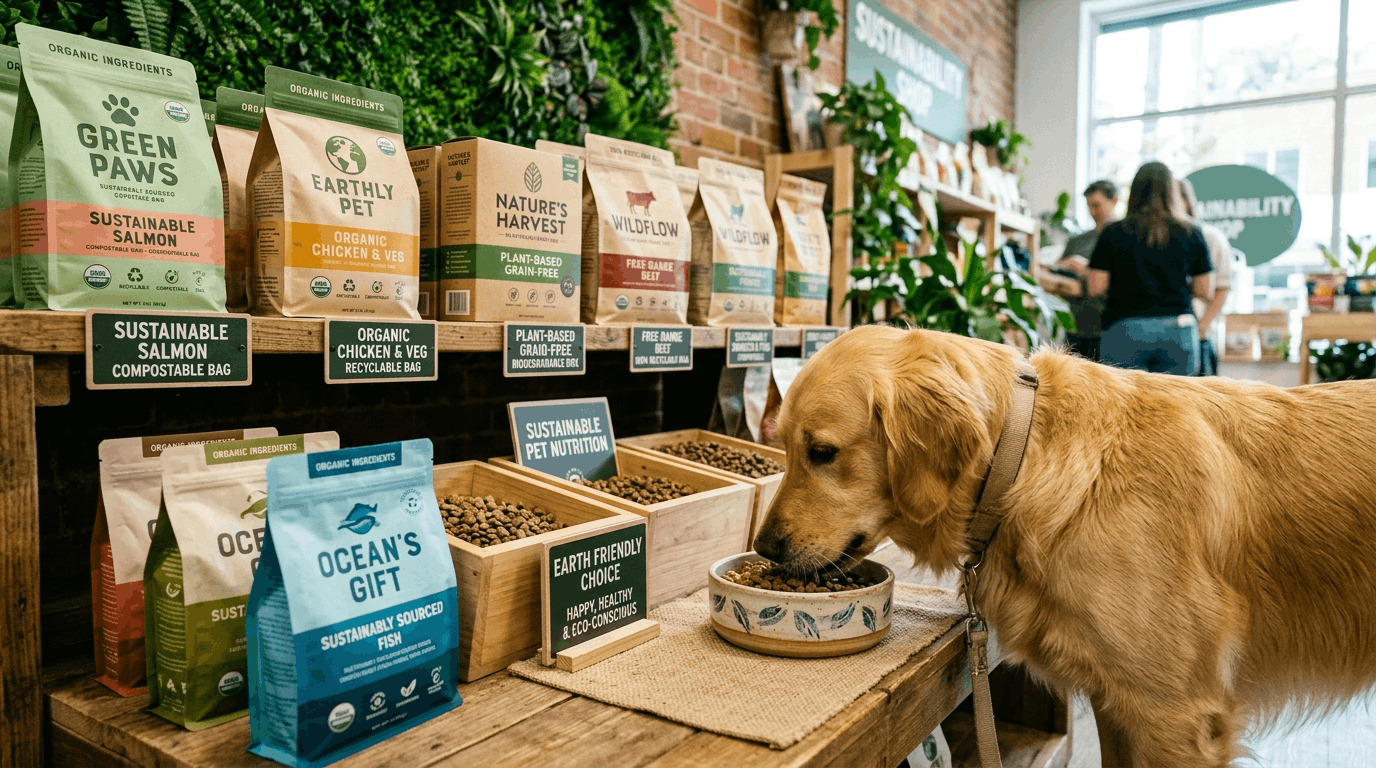

Pet owners today care about more than basic nutrition. Many people now want food that supports animal welfare, reduces environmental harm, and provides cleaner ingredients for their dogs. As a result, sustainable dog food brands continue growing in popularity, especially among consumers looking for healthier and more ethical alternatives that local stores often fail to stock.
Traditional pet food companies usually focus on mass production and convenience. While those products remain widely available, many of them rely on heavily processed ingredients, unclear sourcing practices, and packaging that creates unnecessary waste. Consequently, pet owners increasingly search online for brands that prioritize sustainability and transparency instead of simply offering flashy marketing claims.
Many sustainable pet food companies operate differently from mainstream brands. Rather than prioritizing shelf space in supermarkets, they focus on direct-to-consumer sales, smaller production runs, and carefully sourced ingredients. Because of this approach, several excellent products remain unavailable in local pet stores despite receiving strong reviews from environmentally conscious dog owners.
Sustainable dog food brands often emphasize responsibly raised proteins, recyclable packaging, lower-emission production methods, and transparent ingredient sourcing. Additionally, many smaller companies invest heavily in quality control and nutritional standards while maintaining environmentally friendly practices throughout manufacturing.
Online shopping has made these niche brands easier to access than ever before. Therefore, pet owners no longer need to rely entirely on limited local store selections. Instead, they can explore specialized formulas designed to support both canine health and long-term environmental responsibility.
Why Many Sustainable Brands Avoid Retail Chains
Several ethical pet food companies intentionally avoid large retail partnerships. While supermarket distribution increases visibility, it often requires compromises involving pricing, packaging, storage, and ingredient sourcing. Therefore, smaller sustainable businesses frequently choose direct shipping instead.
Retail stores usually prioritize products with longer shelf lives and lower wholesale costs. As a result, some healthier foods containing fresher or minimally processed ingredients struggle to compete in traditional retail environments. Sustainable dog food brands that emphasize ingredient integrity may avoid adding excessive preservatives simply to meet supermarket requirements.
Additionally, online sales allow companies to communicate directly with customers. This direct relationship improves transparency because brands can explain sourcing methods, sustainability initiatives, and ingredient choices without relying on limited packaging space.
Shipping directly also helps some businesses reduce waste more efficiently. Certain companies use subscription systems that lower excess inventory, reduce packaging waste, and improve production planning accuracy. Consequently, direct-to-consumer models often align naturally with sustainability goals.
Smaller companies may also lack the massive marketing budgets required for national retail placement. Instead of competing for physical shelf space, they focus on building trust through quality products and transparent practices.
For consumers, this means some of the best sustainable options remain hidden unless they actively research beyond local stores.
What Makes a Dog Food Brand Truly Sustainable
Not every company advertising eco-friendly products actually follows meaningful sustainability practices. Therefore, pet owners should understand what separates genuinely responsible businesses from brands using environmental language purely for marketing purposes.
Ingredient sourcing represents one of the biggest factors. Sustainable dog food brands typically prioritize proteins raised through humane and environmentally responsible farming methods. Some companies partner with certified farms that reduce land degradation, water waste, and unnecessary antibiotic use.
Alternative proteins also continue gaining attention. Insect-based protein, sustainably sourced fish, and plant-inclusive formulas often require fewer natural resources than traditional meat production. Consequently, these ingredients help reduce environmental impact while still supporting balanced canine nutrition.
Packaging choices matter significantly as well. Many ethical companies now use recyclable bags, biodegradable materials, or reduced plastic packaging whenever possible. Although packaging alone does not define sustainability, it reflects broader environmental priorities.
Manufacturing practices provide another important consideration. Some brands rely on renewable energy, carbon offset programs, or local ingredient sourcing to lower transportation emissions. Additionally, smaller production systems sometimes generate less industrial waste overall.
Transparency remains equally important. Responsible companies openly share sourcing details, nutritional testing information, and sustainability goals instead of hiding behind vague terminology. Therefore, brands willing to explain their practices clearly often deserve greater consumer trust.
Online-Only Sustainable Dog Food Brands Worth Exploring
Several sustainable dog food brands have built strong reputations online despite remaining difficult to find in physical stores. These companies continue attracting loyal customers because they combine responsible sourcing with high-quality nutrition.
Open Farm remains one of the most recognized names in ethical pet nutrition. The company focuses heavily on traceable ingredients, certified humane farming, and sustainability initiatives. Customers can even track ingredient origins directly through batch information provided online. Additionally, Open Farm offers recyclable packaging and responsibly sourced seafood options that appeal strongly to environmentally conscious consumers.
Jiminy’s stands out for its use of insect protein, which dramatically reduces environmental impact compared to traditional livestock farming. Because insect farming requires far less water, land, and feed, the company has gained popularity among owners seeking lower-emission feeding alternatives. Moreover, many dogs tolerate insect protein extremely well.
The Honest Kitchen has also developed a strong following online. Their minimally processed dehydrated foods use human-grade ingredients while avoiding many artificial additives common in mass-market products. Since the company focuses heavily on ingredient quality and supplier standards, many pet owners view it as a healthier and more responsible option.
Spot & Tango delivers fresh dog food directly to consumers using carefully selected ingredients and portion planning systems. By producing personalized meal plans, the company helps reduce food waste while improving nutritional consistency for dogs.
Chippin deserves attention for incorporating sustainable fish and cricket protein into environmentally friendly formulas. Their approach focuses heavily on reducing carbon emissions while maintaining nutritional balance. Consequently, the brand appeals strongly to consumers interested in alternative protein innovation.
Although these products may cost more than conventional supermarket brands, many owners feel the improved sourcing and sustainability justify the investment.
The Benefits of Ordering Sustainable Food Online
Ordering dog food online offers several advantages beyond product availability alone. First, online brands often provide fresher inventory because products move directly from manufacturers to consumers rather than sitting on retail shelves for extended periods.
Subscription programs also improve convenience significantly. Many sustainable dog food brands offer automatic delivery schedules tailored to individual household needs. This approach helps prevent last-minute shopping trips and reduces the likelihood of running out of food unexpectedly.
Additionally, online ordering gives consumers access to detailed ingredient information that local stores rarely provide. Company websites frequently include sourcing explanations, sustainability reports, feeding calculators, and nutritional guidance that help owners make informed decisions.
Online communities also contribute valuable feedback. Customers often share detailed experiences regarding ingredient quality, digestion improvements, coat health, and feeding results. Therefore, pet owners can evaluate products more thoroughly before committing to purchases.
Another benefit involves customization. Several direct-to-consumer brands offer formulas tailored to age, activity level, allergies, or health concerns. This flexibility often exceeds what standard retail shelves provide.
Although shipping creates its own environmental footprint, many sustainable companies offset emissions or optimize delivery systems to minimize waste. Consequently, responsible online ordering may still create less overall environmental harm than traditional retail distribution in some cases.
How Sustainable Feeding Can Improve Dog Health
Environmental responsibility and canine health often overlap naturally. Many sustainable dog food brands focus on cleaner ingredients, fewer fillers, and more digestible nutrition that supports long-term wellness.
Highly processed pet foods sometimes contain artificial preservatives, low-quality by-products, excessive fillers, and unclear ingredient sources. In contrast, many sustainable companies emphasize whole-food ingredients and transparent protein sourcing. Consequently, dogs may experience improved digestion, healthier skin, shinier coats, and more stable energy levels.
Fresh or minimally processed foods also preserve nutrients more effectively in some cases. While traditional kibble remains nutritionally complete when properly formulated, heavily processed manufacturing can reduce ingredient quality over time.
Additionally, ethical sourcing practices may lower contamination risks because smaller companies often maintain stricter quality control standards. Many online brands also perform regular testing for safety and ingredient consistency.
Dogs with food sensitivities sometimes respond particularly well to sustainable formulas using novel proteins or simplified ingredient lists. Alternative proteins like insects or sustainably sourced fish may reduce certain allergy triggers while supporting balanced nutrition.
Of course, every dog responds differently to dietary changes. Therefore, owners should introduce new foods gradually and consult veterinarians when addressing specific health concerns.
The Challenges of Buying Sustainable Pet Food
Despite the benefits, sustainable feeding still presents challenges for some households. Price remains one of the biggest barriers because ethically sourced ingredients and smaller production systems often increase manufacturing costs.
Shipping delays may also create inconvenience occasionally. Unlike supermarket shopping, online ordering requires planning ahead to avoid interruptions in feeding routines. Fortunately, subscription services help reduce this issue significantly.
Availability can fluctuate as well. Smaller companies sometimes experience ingredient shortages or production limitations because they rely on carefully selected suppliers rather than massive industrial sourcing systems.
Another challenge involves sorting through misleading marketing claims. Some companies advertise sustainability without meaningful evidence supporting those statements. Therefore, consumers should research brands carefully instead of relying solely on packaging language.
Transitioning dogs to new foods may also require patience. Fresh, dehydrated, or alternative protein formulas sometimes affect digestion temporarily during adjustment periods. Slow transitions help minimize stomach upset and improve long-term acceptance.
Even with these challenges, many pet owners feel the overall benefits outweigh the inconveniences involved.
How Consumer Choices Influence the Pet Food Industry
The growing popularity of sustainable dog food brands continues reshaping the pet industry significantly. Consumer demand now pushes more companies to improve transparency, reduce environmental harm, and prioritize better sourcing standards.
Large manufacturers increasingly notice these trends. As smaller ethical brands gain loyal followings online, mainstream companies face pressure to adopt cleaner ingredients and more responsible practices. Consequently, the industry gradually moves toward improved sustainability overall.
Younger pet owners especially influence these changes. Many consumers now treat pets as family members while prioritizing environmentally responsible purchasing habits across all aspects of life. Therefore, sustainability expectations extend naturally into pet nutrition choices.
Social media and online reviews also amplify awareness rapidly. Consumers can now compare sourcing practices, ingredient quality, and environmental initiatives more easily than ever before. This increased transparency encourages stronger accountability throughout the market.
Importantly, even small purchasing decisions matter. Every time consumers support responsible businesses, they help encourage long-term improvements across the entire pet food industry.
Conclusion
Sustainable dog food brands provide pet owners with healthier, more transparent, and environmentally responsible feeding alternatives that often remain unavailable in local stores. While mainstream retail products still dominate supermarket shelves, many innovative companies now focus on ethical sourcing, cleaner ingredients, and eco-conscious production methods through direct online sales.
These online-only brands frequently prioritize ingredient quality, humane farming practices, reduced environmental impact, and transparent manufacturing standards. Consequently, consumers willing to explore beyond local stores often discover products better aligned with both canine health and sustainability goals.
Although sustainable feeding sometimes costs more initially, many pet owners view the investment as worthwhile for improved ingredient integrity and environmental responsibility. Additionally, online ordering provides greater access to detailed information, customized feeding options, and specialized formulas that traditional retailers may not offer.
As consumer demand continues shifting toward ethical products, sustainable dog food brands will likely play an increasingly important role in shaping the future of pet nutrition. By supporting responsible companies today, pet owners help encourage a healthier and more sustainable direction for the entire industry.
FAQ
1. Why are some eco-friendly pet foods unavailable in local stores?
Many smaller companies focus on direct online sales to maintain ingredient quality, reduce waste, and avoid retail distribution costs.
2. Are online sustainable formulas nutritionally complete for dogs?
Yes, many environmentally responsible products meet established nutritional standards while using carefully sourced ingredients.
3. Do ethical pet foods cost more than regular brands?
In many cases, they do because responsible sourcing, smaller production systems, and premium ingredients increase manufacturing expenses.
4. Is insect protein safe for canine diets?
Yes, insect protein can provide balanced nutrition while requiring fewer environmental resources than traditional meat farming.
5. How can I verify sustainability claims from pet food companies?
Look for ingredient transparency, sourcing details, certifications, sustainability reports, and independent reviews before purchasing.