
Your dog spends a huge portion of life sleeping. In fact, most adult dogs rest between 12 and 14 hours a day. That means their bed is not just a cozy accessory. It is their mattress, their couch, and sometimes their safe space.
If your dog struggles to stand up after naps, or if they circle endlessly before lying down, joint discomfort may be the reason. This is where orthopedic dog beds make a real difference.
However, not all options are created equal. Some flatten within months. Others lose support quickly. So how do you find orthopedic dog beds that truly last for years?
Let’s dive into what makes a bed durable, supportive, and worth your investment.
Why Orthopedic Dog Beds Matter for Long-Term Health
Joint health becomes more important as dogs age. Large breeds are especially prone to hip and elbow problems. Yet even smaller breeds can develop arthritis over time.
Orthopedic dog beds are designed to reduce pressure on joints. They distribute body weight evenly. As a result, pain points are minimized.
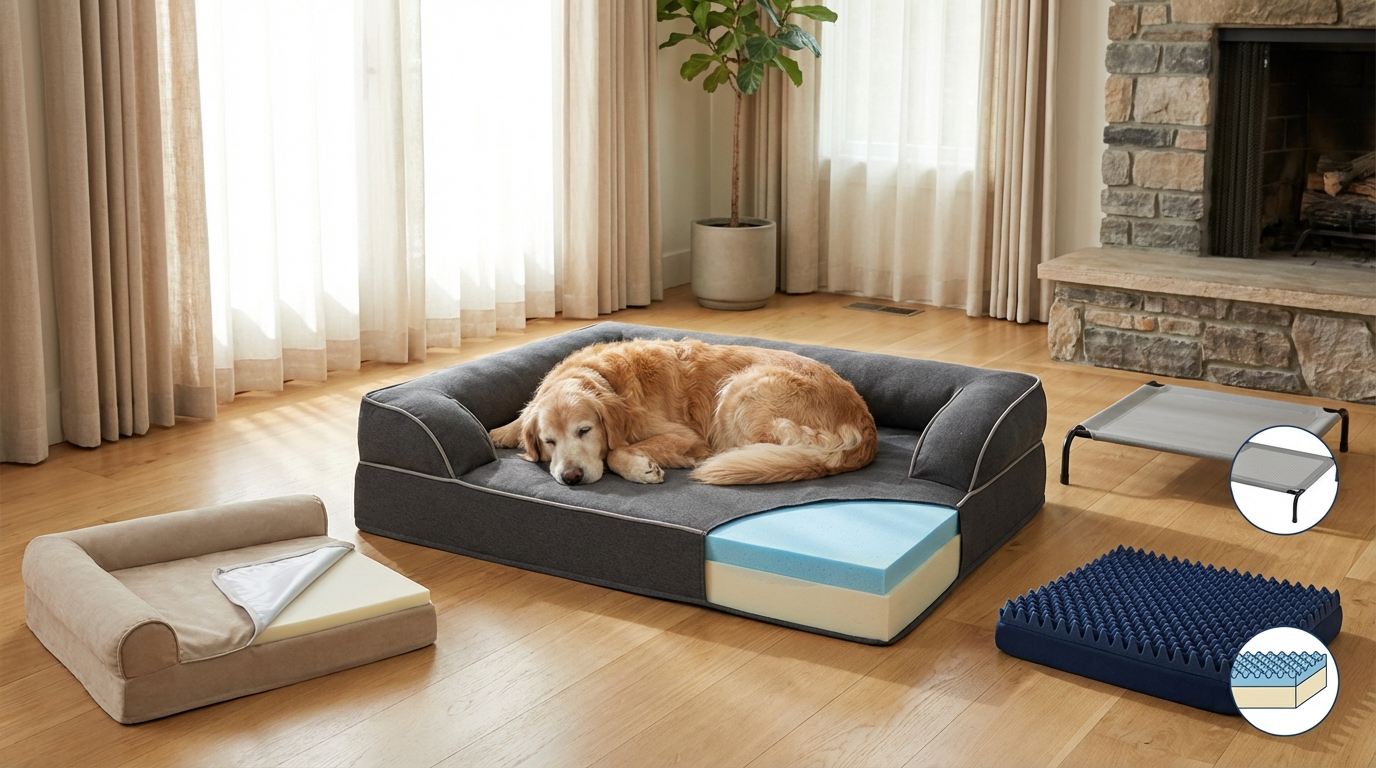
Unlike standard cushions filled with loose stuffing, orthopedic designs use dense foam. This foam adapts to the body while maintaining structure.
Over time, consistent support protects joints from further stress. Although no bed can cure arthritis, proper support can reduce discomfort significantly.
Therefore, investing in orthopedic dog beds is not just about luxury. It is about long-term well-being.
What Makes Orthopedic Dog Beds Truly Durable
Durability depends on several key factors. First, foam quality matters most. High-density memory foam retains shape longer. Low-density foam compresses quickly.
Look for solid foam cores instead of shredded fill. Solid cores resist sagging. Consequently, they maintain support year after year.
Second, cover material plays a major role. Durable fabrics such as heavy-duty canvas or reinforced microfiber resist tearing. Additionally, water-resistant liners protect the foam from accidents.
Zipper quality should not be ignored. Cheap zippers fail early. Strong stitching and reinforced seams extend lifespan.
Although price often reflects quality, always examine materials carefully.
Foam Types Used in Orthopedic Dog Beds
Not all foam performs equally.
Memory Foam
Memory foam molds to the body. It reduces pressure on hips and shoulders. High-density memory foam lasts longer than softer alternatives.
However, thin layers may flatten quickly. Thickness matters. For larger dogs, at least four inches is recommended.
High-Density Support Foam
Support foam provides structure. It prevents the bed from collapsing under weight.
Often, premium orthopedic dog beds combine memory foam with support foam. This layered design increases durability.
Egg-Crate Foam
Egg-crate foam improves airflow. It can offer light support. However, it may compress faster than solid blocks.
For long-term use, solid high-density foam is usually preferred.
How Size and Weight Affect Bed Longevity
A bed must match your dog’s size. If the bed is too small, edges wear quickly. If it is too thin, foam compresses unevenly.
Large breeds require thicker foam. Smaller breeds can use thinner options without losing comfort.
Additionally, dogs that like to dig before lying down may wear covers faster. For them, reinforced fabrics are essential.
Choosing properly sized orthopedic dog beds reduces strain on materials. That simple step increases lifespan significantly.
Waterproof Liners Protect Orthopedic Dog Beds
Accidents happen. Puppies may not be fully trained. Senior dogs may have bladder control issues.
Without a waterproof liner, moisture seeps into foam. Once wet, foam degrades. Odors develop. Mold may form.
High-quality orthopedic dog beds include protective liners beneath removable covers. These liners shield the core material.
Because foam remains dry, it maintains structure longer. As a result, the bed lasts for years instead of months.
Washable Covers Extend Bed Life
Even the best foam needs protection. Removable covers allow regular cleaning.
Machine-washable fabrics simplify maintenance. Dirt, hair, and bacteria are removed easily.
When covers are cleaned consistently, fabric strength is preserved. Additionally, your home stays fresher.
Some premium orthopedic dog beds offer replacement covers. That feature extends usability even further.
Support for Senior Dogs and Large Breeds
Senior dogs benefit most from orthopedic support. Aging joints need cushioning. Pressure points should be minimized.
Large breeds such as German Shepherds or Labradors often develop hip issues. Thick foam reduces joint compression.
When selecting orthopedic dog beds for seniors, consider low-entry designs. High edges may be difficult to climb over.
Comfort improves mobility. Mobility maintains independence. That chain reaction supports overall health.
Are Orthopedic Dog Beds Worth the Investment?
Quality beds cost more upfront. However, cheap beds are replaced often. Over time, the total cost increases.
A durable orthopedic bed may last five years or more. Therefore, the investment pays off.
Additionally, veterinary visits related to joint discomfort may decrease when proper support is provided.
Think of it like buying a good mattress for yourself. You would not choose the thinnest, cheapest option. Your dog deserves similar care.
Signs Your Dog Needs an Orthopedic Bed
Some signs are subtle.
If your dog hesitates before lying down, discomfort may exist. If they struggle to rise, joints may be stiff.
Frequent shifting during sleep also indicates pressure points. Moreover, older dogs may avoid hard floors entirely.
When these signs appear, orthopedic dog beds can provide relief.
Placement and Environment Matter Too
Even durable beds wear faster in poor conditions.
Place the bed on a flat surface. Avoid damp areas. Keep it away from direct heat sources.
Regularly rotate the bed to ensure even compression. This simple habit extends foam life.
Additionally, trim your dog’s nails. Long nails can tear fabric over time.
Popular Features in Long-Lasting Orthopedic Dog Beds
Modern designs include bolsters for head support. These provide extra comfort without compromising durability.
Non-slip bottoms prevent sliding on hardwood floors. This reduces strain on seams.
Cooling gel layers are sometimes added to memory foam. These improve airflow and comfort during warm months.
Although features vary, structural integrity remains the priority.
Maintenance Tips to Make Orthopedic Dog Beds Last for Years
Vacuum the bed weekly. Remove hair buildup. Wash covers regularly.
Inspect seams for early signs of wear. Small repairs prevent larger damage.
If foam begins to compress unevenly, rotate it if possible. Some designs allow foam flipping.
Consistent care significantly extends product life.
How to Compare Orthopedic Dog Beds Before Buying
Read material descriptions carefully. Look for high-density foam specifications.
Check weight capacity recommendations. Consider warranty length. Longer warranties often signal manufacturer confidence.
Customer reviews also reveal durability patterns. Look for feedback after one year of use.
Although marketing claims sound impressive, material quality tells the real story.
Sustainability and Long-Term Value
Buying fewer beds reduces waste. Durable orthopedic dog beds contribute to sustainability.
Instead of replacing flattened cushions annually, you invest once. That approach benefits your budget and the environment.
Additionally, quality materials often resist odor buildup better. That means fewer replacements due to hygiene issues.
Longevity equals value.
Conclusion
Orthopedic dog beds that last for years combine high-density foam, durable covers, and thoughtful design. They support aging joints, improve sleep quality, and withstand daily wear.
While cheaper beds may seem attractive, they flatten quickly. In contrast, well-built orthopedic options maintain structure over time.
By selecting the right size, materials, and features, you provide lasting comfort for your dog. More importantly, you protect their mobility and joint health.
A bed is not just a cushion. It is a foundation for restful sleep and healthy aging. Choose wisely, maintain it well, and your dog will enjoy comfort for years to come.
FAQs
- How long do orthopedic dog beds typically last?
High-quality orthopedic dog beds can last three to five years or more with proper care. - Are orthopedic beds only for senior dogs?
No. While seniors benefit most, dogs of all ages can enjoy improved joint support. - What thickness is best for large dogs?
Large breeds usually require at least four inches of high-density foam for proper support. - Do waterproof liners really matter?
Yes. Waterproof liners protect foam from moisture, preventing breakdown and odor. - Can orthopedic dog beds help with arthritis?
They cannot cure arthritis, but they can reduce pressure and improve overall comfort significantly.