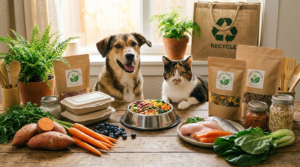


Feeding your pets is one of the most personal things you do each day. When you place that bowl on the floor, you want to feel confident that every bite supports their well-being. But traditional pet foods don’t always guarantee that comfort. Many formulas contain fillers, synthetic preservatives, artificial colors, or low-quality proteins. That’s why more pet parents are turning toward organic pet protein to give their dogs and cats cleaner, safer, and more sustainable nutrition.
Organic protein options prioritize natural ingredients free from pesticides, hormones, antibiotics, and genetically modified components. As a result, your pet receives nourishment closer to what nature intended. Because organic ingredients come from responsibly raised animals or sustainably grown plants, this shift supports not only your pet’s health but also the planet’s. When you choose organic pet protein, you embrace a feeding approach that’s healthier, more transparent, and far more eco-friendly.
Why Organic Pet Protein Is Worth Considering
If you’ve ever wondered what really goes into your pet’s food, you’re not alone. Many pet parents feel overwhelmed when reading ingredient labels filled with long, hard-to-pronounce additives. Organic pet protein offers a simpler alternative. These proteins come from sources raised or grown without chemical fertilizers, harmful pesticides, or synthetic processing agents.
When pets consume organic protein regularly, their bodies respond positively. Their digestion improves, their coats look shinier, and their energy levels stabilize. Because organic protein lacks harsh chemicals, your pet’s system doesn’t work overtime to process artificial ingredients. Instead, they absorb nutrients more efficiently and experience fewer sensitivity issues.
Additionally, organic protein supports ethical farming. Animals raised organically live in cleaner environments with better diets. Plant proteins grown under organic conditions preserve soil quality, conserve water, and reduce waste. Choosing organic pet protein benefits your home and the world at the same time.
Key Qualities That Define Organic Pet Protein
When selecting your protein source, it helps to know what makes organic options stand out. Not every “natural” label qualifies as organic, and some brands use vague marketing terms. True organic pet protein follows specific standards that protect your pet’s health and the environment.
These characteristics define organic protein:
- No synthetic pesticides or herbicides
- No growth hormones or antibiotics
- Non-GMO ingredients
- Ethical and sustainable farming practices
- Minimal processing and clean handling
High-quality organic protein supports pure nutrition. While conventional protein sources may contain chemical build-up, organic alternatives avoid contamination from start to finish. This difference is small but meaningful—a difference you see in your pet’s daily vitality.
Top Organic Pet Protein Options for Healthier Feeding
Dogs and cats thrive on protein-rich diets, yet not all proteins are created equal. When shopping for the best options, choosing organic makes a huge impact. These are the most trusted and effective organic pet protein choices available today.
Organic Chicken: A Gentle, Nutritious Choice
Organic chicken is one of the most popular protein sources for pets because it’s lean, digestible, and widely available. Pets with sensitive stomachs often tolerate organic chicken better than conventional varieties. Because organic birds are raised without antibiotics or synthetic feed additives, the resulting protein stays clean and nutrient-dense.
This protein supports strong muscles, healthy skin, and improved energy. Many organic chicken-based formulas also include organs such as liver or heart, offering essential vitamins and minerals. If your pet needs a dependable, balanced protein, organic chicken sets the standard.
Organic Beef: A Rich, Flavorful Protein Source
For pets who crave bold flavor, organic beef delivers. It’s naturally rich in iron, B vitamins, and amino acids that support long-term strength and stamina. Because organic cattle are raised on clean, chemical-free pastures, the meat contains fewer toxins and more natural nutrients.
Dogs especially enjoy the taste of organic beef. However, choose it in moderation for pets prone to weight gain. When included as part of a balanced diet, organic beef provides variety and satisfaction while maintaining nutrition quality.
Organic Turkey: Ideal for Sensitive or Overweight Pets
Turkey is naturally low in fat but high in essential nutrients. Organic turkey takes those benefits a step further by removing harmful additives found in conventional poultry. Pets who struggle with allergies or digestive issues often do well on turkey-based diets.
This protein supports lean muscle maintenance and steady energy. Because it’s gentle on the stomach, it works well for older pets or dogs recovering from illness. Organic turkey is also a great choice when you want a lighter protein that still feels hearty.
Organic Salmon: A Protein Packed With Omega-Rich Benefits
Organic salmon stands out because it offers protein and healthy fats in one clean package. Rich in omega-3 fatty acids, it promotes coat shine, joint comfort, and brain health. Pets with itchy skin or chronic inflammation often improve when organic salmon becomes a regular part of their meals.
Sustainably farmed and responsibly processed salmon avoids the heavy metals and contaminants sometimes found in conventional fish. The result is a safe, flavorful protein pets love. Cats especially enjoy salmon because it resembles natural prey.
Plant-Based Organic Protein for Pets
Organic plant proteins like lentils, chickpeas, peas, quinoa, and soy offer alternative options for pets with animal protein sensitivities. While cats require animal protein as a primary source, dogs can thrive on mixed or supplemental plant proteins when balanced correctly.
These proteins are eco-friendly because they require fewer natural resources. Additionally, they reduce exposure to hormones or animal byproducts. When choosing plant-based options, ensure they come from certified organic farms to maintain purity and sustainability.
Organic Eggs: A Complete Protein Powerhouse
Eggs are one of the most complete protein sources available, and organic eggs provide exceptional nutrient density. They supply amino acids, vitamins, and minerals that support muscle development and healthy hair growth.
Organic eggs also offer natural fats that help your pet absorb nutrients efficiently. They’re easy to digest and suitable for pets with sensitive digestive systems. Whether included in fresh meals or offered as treats, organic eggs deliver simplicity and power in every bite.
How to Choose the Best Organic Pet Protein for Your Pet
Choosing the right organic pet protein starts with understanding your pet’s unique needs. Some pets prefer mild flavors, while others thrive on richer proteins. Digestion, allergies, age, and activity level all play a role in selecting the perfect option.
Match the Protein to Their Dietary Needs
If your pet struggles with food sensitivities, start with gentle proteins like organic turkey or chicken. Active dogs benefit from richer proteins like organic beef or salmon. Senior pets may enjoy softer, easily digestible protein options.
Check for Certifications and Transparency
Look for labels that state USDA Organic or equivalent certifications. This ensures the protein meets strict safety and farming guidelines. Brands that prioritize transparency openly share their sourcing, processing, and ingredient standards. These companies help you feel confident about what goes into your pet’s food bowl.
Avoid Products With Artificial Additives
Even organic proteins can lose their value when mixed with unnecessary filler ingredients. Skip formulas containing artificial flavors, colors, preservatives, or excessive starches. The cleaner the ingredient list, the safer and healthier the meal.
Consider Eco-Friendly Packaging and Sustainability
Choosing organic pet protein isn’t only about your pet. It’s also about the planet. Eco-friendly brands often use compostable packaging, renewable energy, and regenerative farming practices. This ensures that every step—from farm to bowl—supports a healthier environment.
Introduce New Proteins Gradually
Transitioning slowly helps your pet adjust without digestive upset. Mix small amounts of the new organic protein into their current food. Increase the ratio gradually over a week. This simple step keeps your pet comfortable and allows you to monitor any reactions.
Why Eco-Friendly Feeding Matters More Than Ever
As environmental concerns grow, pet owners play an important role in reducing their ecological footprint. Traditional pet food production often involves large-scale farming that impacts soil health, water purity, and greenhouse gas levels. Organic methods help reverse these effects by promoting sustainability, humane treatment, and cleaner ecosystems.
Organic pet protein supports:
- Reduced chemical pollution
- Better soil quality
- Lower carbon emissions
- Ethical treatment of animals
- Preservation of natural resources
By choosing organic pet protein consistently, you help create a more sustainable future while giving your pet cleaner, healthier nourishment. This is one of the easiest, most effective ways to make a difference from home.
The Benefits You’ll Notice When Switching to Organic Pet Protein
Pet parents often report visible improvements after switching to organic protein-based diets. These changes happen because organic ingredients reduce stress on your pet’s digestive and immune systems.
Common benefits include:
- Shinier, softer fur
- Better digestion and firmer stools
- Increased energy levels
- Healthier skin with fewer irritations
- More stable weight
- Improved appetite
Although results vary depending on your pet’s age and health, the shift toward cleaner eating usually brings positive outcomes. Because organic protein is easier for the body to process, your pet absorbs nutrients with greater efficiency.
Conclusion
Feeding your pets the right protein shapes their long-term health more than almost any other daily habit. Choosing organic pet protein leads to cleaner diets, better digestion, and more sustainable living. When you prioritize organic chicken, turkey, beef, salmon, eggs, or plant-based options, you give your pets nourishment free from harmful additives and environmental toxins. As a result, they enjoy a healthier life while you support farming practices that protect the planet. Making the switch to organic isn’t just a choice—it’s a commitment to better feeding, better wellness, and a better world for every pet.
FAQ
1. Is organic pet protein healthier than regular pet protein?
Yes. Organic protein avoids pesticides, hormones, and artificial additives, making it gentler on your pet’s digestion and overall health.
2. Can all pets eat organic protein?
Most pets can. However, pets with allergies or medical conditions may need specific organic protein sources that suit their dietary needs.
3. Are organic proteins more expensive?
They can cost more, but the higher quality, safer ingredients, and long-term health benefits often make them worth the investment.
4. Can cats eat plant-based organic proteins?
Cats require animal protein as their primary source, but small amounts of organic plant protein can complement their diet.
5. How do I transition my pet to organic protein?
Mix the new protein gradually into their current food over several days to prevent digestive issues and monitor their response.