
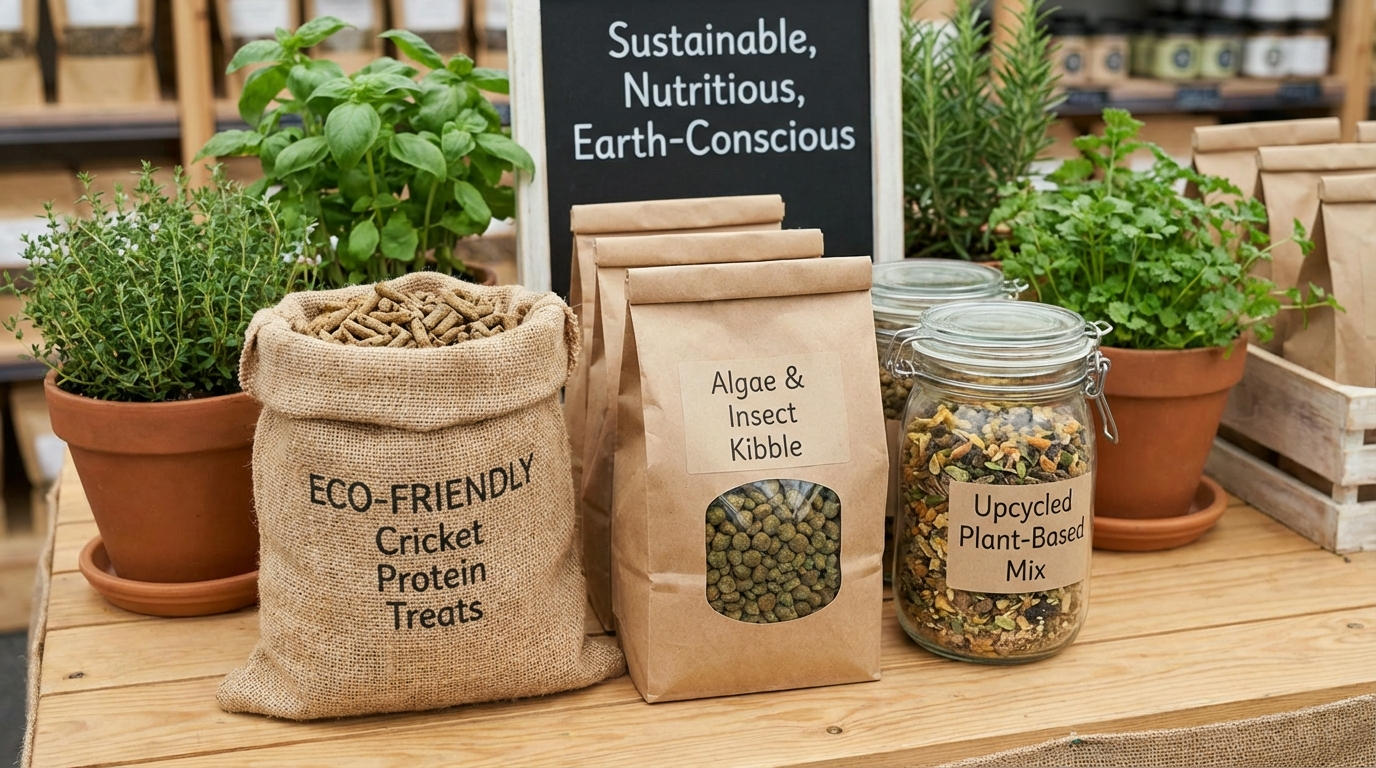

Pet food is changing. Quietly, steadily, and with purpose. What once revolved around convenience now centers on responsibility, health, and sustainability. At the heart of this shift are eco-friendly pet proteins, a growing category that challenges traditional feeding habits without compromising nutrition.
Pet owners are asking smarter questions. Where does this protein come from? How was it produced? Does it support my pet’s long-term health? These questions matter because food affects more than energy levels. It shapes digestion, immunity, skin health, and even behavior.
Eco-friendly pet proteins offer a compelling answer. They nourish pets while reducing environmental strain. They support wellness while encouraging ethical choices. Let’s explore why these alternative proteins matter and which options stand out for eco-conscious pet diets.
Why Eco-Friendly Pet Proteins Matter More Than Ever
Traditional pet food relies heavily on conventional livestock farming. This system demands significant land, water, and energy. It also produces greenhouse gases that affect climate stability.
As demand grows, pressure increases. The ripple effects reach everyone, including pets.
Eco-friendly pet proteins reduce this strain. They are produced with fewer resources and often generate less waste. In many cases, they repurpose materials that would otherwise be discarded.
This efficiency benefits the planet. At the same time, it opens doors to cleaner, more digestible nutrition for pets.
Sustainability is no longer optional. It is a responsibility shared by every bowl filled.
Understanding Alternative Proteins in Pet Nutrition
Alternative proteins differ from traditional meat sources like beef or chicken. They may come from insects, plants, algae, or novel animal sources.
What matters is not the origin alone. Nutritional completeness matters most. Pets require specific amino acids, fats, and minerals. Well-formulated alternative proteins meet these needs.
Science plays a central role here. Formulations are carefully designed to support canine and feline biology. This ensures health is never sacrificed for sustainability.
Insect-Based Proteins as Eco-Friendly Pet Proteins
Insect protein is leading the eco-friendly pet protein movement. It may sound unconventional, yet it is remarkably effective.
Insects like black soldier fly larvae require minimal water and space. They grow quickly and convert feed into protein efficiently. Their environmental footprint is small compared to livestock.
Nutritionally, insect protein is impressive. It contains essential amino acids, healthy fats, and minerals. Digestibility is high, making it gentle on sensitive stomachs.
Pets often accept insect-based foods readily. Palatability has improved significantly as formulations advance.
Health Benefits of Insect Proteins for Pets
Insect proteins offer unique advantages beyond sustainability.
They are hypoallergenic. Most pets have not been exposed to insects as protein sources. This reduces immune reactions and supports allergy management.
Digestive health often improves. Firmer stools and reduced gas are commonly reported.
Additionally, insect protein contains lauric acid, which supports immune function.
These benefits make insect-based eco-friendly pet proteins a strong choice for both health and planet.
Plant-Based Proteins in Eco-Friendly Pet Diets
Plant-based proteins play a growing role in sustainable feeding. Sources include peas, lentils, chickpeas, and soy.
These proteins require fewer resources than animal farming. When sourced responsibly, they offer environmental benefits.
However, pets have specific needs. Dogs can thrive on well-balanced plant-based diets. Cats, being obligate carnivores, require careful supplementation.
Formulation is everything. When amino acid profiles are complete, plant-based eco-friendly pet proteins support muscle maintenance and energy.
When Plant Proteins Work Best
Plant-based proteins shine in certain situations.
Dogs with meat allergies often tolerate plant proteins well. Digestive sensitivity may improve.
Weight management becomes easier. Plant proteins tend to be lower in fat.
Ethical considerations also drive adoption. Owners seeking cruelty-reduced feeding options find plant proteins appealing.
Balance remains essential. Veterinary guidance ensures nutritional adequacy.
Algae and Yeast Proteins as Sustainable Alternatives
Algae-based proteins represent innovation at its finest. These organisms grow rapidly and require minimal resources.
Algae provide protein, omega fatty acids, and antioxidants. They support skin, coat, and cognitive health.
Yeast proteins offer similar benefits. They are rich in B vitamins and amino acids.
These eco-friendly pet proteins are often used as supplements or blended with other sources. Together, they enhance nutritional diversity.
Their environmental footprint is remarkably low, making them promising for the future.
Novel Animal Proteins and Sustainability
Novel animal proteins include duck, rabbit, venison, and insect-fed fish. These sources are less commonly used and often raised with greater efficiency.
Because demand is lower, production scales are smaller. This reduces environmental impact.
Novel proteins also benefit pets with allergies. Reduced exposure lowers immune response risk.
When responsibly sourced, these proteins balance sustainability and familiarity.
Upcycled Proteins in Eco-Friendly Pet Nutrition
Upcycling is gaining momentum. It involves using byproducts from human food production that are still nutritious.
Examples include organ meats, fish trimmings, or spent grains.
Instead of waste, these materials become valuable eco-friendly pet proteins.
This approach reduces landfill use and maximizes resources. Nutrition remains high when handled correctly.
Upcycled proteins reflect a circular economy. Nothing is wasted. Everything has value.
Digestive Health and Eco-Friendly Pet Proteins
Digestive health is often the first noticeable change when switching proteins.
Eco-friendly pet proteins are typically processed gently. This preserves nutrients and improves digestibility.
Pets with chronic digestive issues may experience relief. Reduced inflammation supports gut lining health.
Consistency matters. Gradual transitions allow the digestive system to adapt.
When digestion improves, energy follows.
Skin and Coat Improvements with Alternative Proteins
Skin reflects internal health. Many pets with dull coats or itching benefit from protein changes.
Eco-friendly pet proteins often reduce allergen exposure. Skin reactions decrease.
Fatty acid profiles also matter. Insect and algae proteins provide beneficial fats.
Over time, coats become shinier. Shedding may decrease. Comfort improves.
These visible changes reinforce nutritional success.
Supporting Immune Health Through Sustainable Proteins
The immune system relies on protein for antibody production.
Eco-friendly pet proteins support immune balance. Reduced toxin exposure lowers immune stress.
Cleaner ingredients help the body focus on defense rather than detoxification.
Pets may experience fewer infections and quicker recovery.
Long-term immune support enhances quality of life.
Environmental Benefits Beyond the Bowl
Feeding eco-friendly pet proteins reduces environmental strain.
Lower greenhouse gas emissions matter. Reduced water usage matters. Less land exploitation matters.
These benefits accumulate. Millions of small choices create meaningful impact.
Pets become part of the solution.
Ethical Considerations in Eco-Friendly Pet Diets
Ethics influence feeding decisions more than ever.
Eco-friendly pet proteins align with values of compassion and responsibility.
They reduce reliance on intensive farming practices.
For many owners, this alignment brings peace of mind.
Feeding becomes intentional.
Transitioning Pets to Eco-Friendly Pet Proteins
Transitioning requires patience.
Start slowly. Mix new protein with existing food over 7 to 10 days.
Monitor stools, appetite, and energy.
Temporary adjustments are normal. Persistent issues require veterinary input.
Consistency supports success.
Choosing High-Quality Eco-Friendly Pet Proteins
Not all products are equal.
Look for transparency. Brands should disclose sourcing and testing.
Check for complete nutrition statements.
Avoid vague claims. Science-backed formulations inspire confidence.
Quality matters more than trends.
Common Myths About Alternative Proteins
Some believe pets will refuse alternative proteins. Many do not.
Others fear nutritional gaps. Proper formulation addresses this.
Education dispels fear.
Knowledge empowers better choices.
The Future of Eco-Friendly Pet Proteins
Innovation continues.
Research expands. Acceptance grows.
Eco-friendly pet proteins are becoming mainstream, not niche.
As technology improves, options will diversify.
The future looks balanced and bright.
Conclusion
Eco-friendly pet proteins represent a thoughtful evolution in pet nutrition. They nourish pets while respecting the planet that sustains them. From insect-based proteins to algae and upcycled sources, these alternatives offer real health benefits without environmental compromise.
Choosing sustainable proteins is not about sacrifice. It is about progress. When nutrition, ethics, and wellness align, pets thrive and the planet benefits. Every meal becomes a step toward a healthier future for all.
FAQ
1. Are eco-friendly pet proteins safe for long-term feeding?
Yes, when properly formulated, they provide complete and balanced nutrition.
2. Can eco-friendly pet proteins help pets with allergies?
Many alternative proteins reduce allergic reactions due to limited prior exposure.
3. Will my pet accept alternative proteins?
Most pets adapt well, especially with gradual transitions.
4. Are eco-friendly pet proteins more expensive?
Some may cost more initially, but health benefits can reduce long-term expenses.
5. Should I consult a vet before switching proteins?
Yes, especially for pets with medical conditions or specific dietary needs.