
When you think about keeping your dog safe, you probably picture vaccines, vet check-ups, or nutritious food. But there’s something far simpler that often gets overlooked—your pet’s gear. From leashes to harnesses and beds, worn-out gear can pose serious risks to your dog’s safety and well-being.
The dangers of worn-out pet gear aren’t always obvious at first glance. A frayed leash might seem harmless until it snaps mid-walk, or a loose collar could cause painful skin irritation over time. In this guide, we’ll uncover the hidden dangers of outdated gear and show you how to keep your furry friend safe, comfortable, and happy.
Why Pet Gear Matters for Your Dog’s Safety
Every piece of your dog’s gear serves a purpose. A sturdy leash gives you control during walks. A secure collar holds important ID tags. A comfortable harness distributes pressure evenly to prevent strain. When these tools wear out, they lose their effectiveness—and that’s when problems begin.
The Role of Collars, Harnesses, and Leashes
A collar or harness is more than just an accessory; it’s a lifeline that keeps your dog connected to you. When buckles loosen or fabric frays, that connection weakens. A single failure could mean your dog slipping away into traffic or getting lost.
Meanwhile, leashes take constant stress from pulling, chewing, or exposure to weather. Over time, even the toughest materials can weaken. A leash that breaks at the wrong moment can lead to injuries, fights with other dogs, or worse.
How Pet Gear Affects Comfort and Control
Old or poorly fitting gear doesn’t just compromise safety—it affects your dog’s comfort and confidence. A harness that rubs or pinches can cause sores, while a collar that’s too tight may restrict breathing. Dogs rely on freedom of movement, so ensuring that their gear fits properly is essential for their overall happiness.
Common Types of Worn-Out Pet Gear
It’s easy to overlook how much wear and tear your dog’s gear experiences. From daily walks to endless chewing, even high-quality items have a lifespan.
Frayed Leashes and Weak Clasps
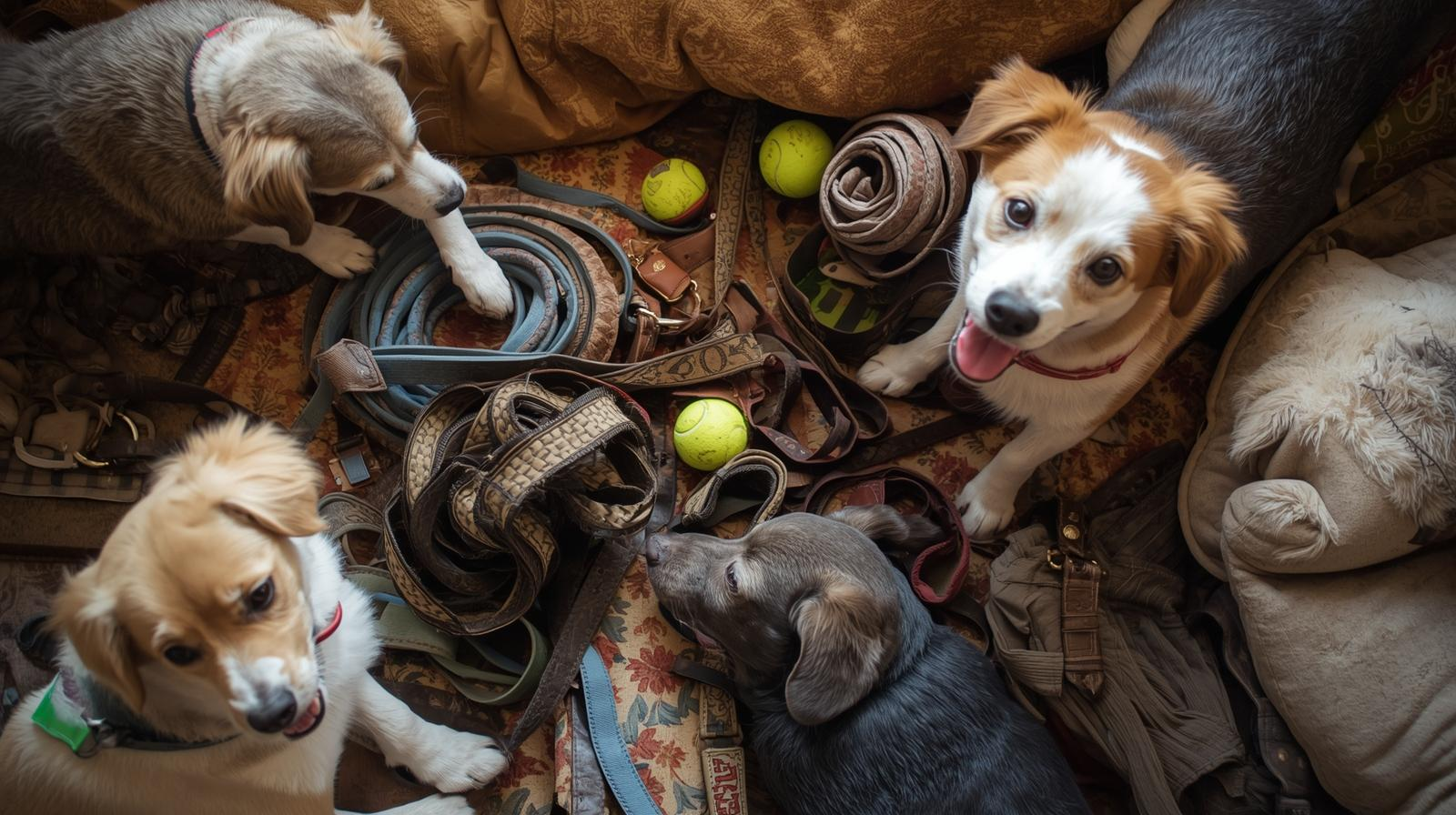
A frayed leash may seem like a minor inconvenience, but it’s a ticking time bomb. When the fibers begin to unravel, the leash’s strength decreases dramatically. Metal clasps can also rust or loosen, creating weak points that might fail under sudden tension.
If your dog tends to pull or lunge, these vulnerabilities increase the risk of the leash snapping—potentially putting both of you in danger.
Damaged Collars and Harnesses
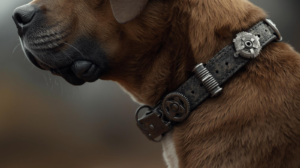
Collars and harnesses face constant friction, weather exposure, and pulling pressure. Cracked leather, stretched nylon, or damaged stitching can lead to sudden breakage. A broken collar can slip off mid-walk, leaving your dog unrestrained in risky situations.
Harnesses with worn straps or bent buckles can shift during use, causing chafing or allowing your dog to escape entirely.
Torn Beds and Chewed Toys
It’s not just outdoor gear that poses risks. Torn beds can expose foam or stuffing that dogs may ingest. Chewed toys with broken pieces can create choking hazards or lead to intestinal blockages.
Even plush toys marketed as “indestructible” wear down over time. Regular inspection is key to avoiding costly emergency vet visits.
The Hidden Dangers of Worn-Out Pet Gear
The real threat of old gear lies in what you don’t see. A seemingly harmless crack or loose thread can lead to bigger problems when you least expect it.
Risk of Accidents and Escapes
A leash that snaps or a collar that slips off gives your dog instant freedom—but not the safe kind. Dogs that suddenly break free might dart into traffic, get into fights with other animals, or run away from home.
Even the most well-trained dogs can panic or chase after something instinctively. Reliable gear ensures you maintain control when it matters most.
Skin Irritation and Allergic Reactions
Over time, bacteria, dirt, and moisture build up on old collars and harnesses. This can lead to infections or allergic reactions, especially in dogs with sensitive skin.
Frayed materials can also rub against the fur, creating hot spots or abrasions. Once the skin barrier is damaged, it becomes vulnerable to yeast infections and parasites.
Internal Injuries from Old Toys
Worn or broken toys are another hidden danger. Small parts, like squeakers or plastic shards, can be swallowed accidentally. These foreign objects may cause choking, stomach blockage, or internal bleeding—requiring urgent medical attention.
Replacing damaged toys regularly is one of the simplest ways to protect your dog’s health.
How to Identify When Pet Gear Needs Replacement
The dangers of worn-out pet gear increase when you fail to notice subtle warning signs. Being proactive can prevent accidents before they happen.
Signs of Wear and Tear
Check your dog’s gear regularly for the following:
- Fraying or thinning straps
- Rusted or corroded metal parts
- Loose stitching or cracked leather
- Unpleasant odors or discoloration
- Loose buckles or clasps
If any of these signs appear, it’s time to replace the gear immediately.
Safe Replacement Timelines
Even if gear looks fine, it still degrades over time. As a general rule:
- Leashes: Replace every 6–12 months or sooner if frayed.
- Collars and harnesses: Replace every 12–18 months, depending on use.
- Toys: Replace as soon as they show signs of tearing or missing parts.
- Beds: Replace every 1–2 years or when padding becomes uneven.
Consistency in replacement keeps your dog comfortable and reduces injury risks.
Choosing Durable and Safe Pet Gear
When shopping for new equipment, focus on durability, comfort, and safety rather than flashy designs.
Prioritizing Quality Materials
Look for leashes made of high-density nylon, leather, or reinforced rope. Stainless steel hardware resists rust and lasts longer than plastic or cheap metal.
For collars and harnesses, choose breathable, padded materials that prevent chafing. Reflective stitching is also a great feature for nighttime safety.
Eco-Friendly and Non-Toxic Options
Eco-conscious dog owners can opt for products made from recycled materials or organic fabrics. Many brands now use sustainable hemp, bamboo, or natural rubber that are both tough and gentle on the environment.
Ensure that dyes and coatings are free from lead or phthalates. Non-toxic gear keeps your dog’s skin safe while supporting greener production practices.
Maintenance Tips to Extend Gear Lifespan
Proper maintenance helps you get the most out of your dog’s gear while keeping it safe and functional.
Cleaning and Inspection Routines
Clean gear regularly to remove bacteria, sweat, and dirt buildup. For most fabric gear, a gentle hand wash with mild soap and warm water works well.
Inspect all components for wear before every walk or play session. A quick 30-second check can prevent serious accidents later.
Proper Storage and Handling
Store leashes, collars, and harnesses in a dry, cool place to prevent mold or rust. Avoid leaving them in direct sunlight or damp areas, as UV rays and moisture weaken fibers over time.
When not in use, hang gear properly instead of leaving it tangled on the floor. This keeps straps from stretching and hardware from bending.
Conclusion
Your dog depends on you for safety, comfort, and care. Ignoring the dangers of worn-out pet gear can lead to accidents, discomfort, or health problems that are entirely preventable.
By regularly inspecting, cleaning, and replacing your dog’s gear, you’re not just maintaining equipment—you’re protecting your best friend.
A strong leash, a comfortable harness, and a clean bed might seem like small things, but together they ensure a safer, happier life for your dog. So take a few moments today to check your pet’s gear—it’s a simple habit that could save lives.
FAQ
1. How often should I replace my dog’s leash and collar?
Leashes should be replaced every 6–12 months, while collars typically last 12–18 months depending on wear.
2. What materials are safest for dog gear?
Nylon, leather, and hemp are durable, while stainless steel hardware ensures long-term safety and reliability.
3. How can I tell if my dog’s gear is causing irritation?
Look for scratching, redness, or bald spots around the neck or chest. These signs mean it’s time for new gear.
4. Are eco-friendly pet products durable?
Yes. Many eco-friendly materials like hemp and bamboo are both tough and sustainable, offering lasting quality.
5. Can I repair damaged pet gear instead of replacing it?
Minor repairs may work temporarily, but replacing worn gear is safer to avoid unexpected failures or injuries.