
If you’ve ever bought a leash that frayed after two walks or a toy that fell apart within minutes, you already understand the frustration behind cheap pet gear. Many pet owners are tired of buying products that claim to be durable, safe, or “premium,” only to fall apart faster than expected. Price tags may look appealing at first glance, but the hidden problems behind low-cost pet items are finally catching up with consumers—and they’re fed up.
The shift isn’t surprising. Pets have become cherished family members, not accessories. When something intended to keep them safe or entertained breaks easily, it doesn’t feel like a minor inconvenience. It feels like a violation of trust. Cheap pet gear often cuts corners in quality, materials, and safety standards, leaving pet owners to deal with the consequences. As more people recognize the risks, they’ve started demanding better products that align with the love they have for their pets.
Why Cheap Pet Gear Has Become a Growing Frustration
Cheap pet gear has flooded the market over the past decade. Online retailers and mass-produced items make it easier than ever to buy pet accessories at unbelievably low prices. Although affordability matters, the trade-offs are becoming impossible to ignore. Products built with low-quality materials simply don’t hold up to everyday use.
Pet owners expect gear to withstand normal wear—tugging, chewing, running, jumping. But cheap pet gear is often made from thin plastics, weak stitching, or brittle fabrics. Instead of supporting pets, these items fail under pressure. Add the inconvenience of frequent replacements, shipping frustrations, and rising concern about pet safety, and frustration builds quickly.
Many pet owners now realize that buying something cheap only to replace it repeatedly ends up costing more in the long run. That recurring cycle is exhausting, expensive, and avoidable with just a bit more awareness.
The Hidden Safety Risks Behind Cheap Pet Gear
Low-quality pet gear isn’t just annoying—it can be dangerous. Pets interact with their gear using their mouths, paws, teeth, and claws. When cheap materials break, splinter, or unravel, pets are exposed to hazards that increase the risk of injury.
Choking Hazards Are More Common Than Advertised
Cheap pet gear, especially toys and collars, tends to break apart into small pieces. These fragments can easily become choking hazards. Dogs and cats chew aggressively, and if toys aren’t built with durable stitching or reinforced materials, they quickly turn into dangerous debris.
Weak Clasps and Buckles Lead to Escapes
Collars and harnesses made from low-cost hardware are prone to snapping. When clasps fail during a walk, pets can slip free and run into traffic or unfamiliar environments. This isn’t just frustrating—it’s terrifying.
Cheap Leashes Put Pet Owners at Risk Too
Thin leashes with poor stitching or lightweight hardware can break with a single pull. A dog lunges at a squirrel, and suddenly the leash pops open. Cheap leashes create more than inconvenience—they create dangerous situations that responsible pet owners shouldn’t have to face.
Toxic Materials Hide in Low-Cost Items
Another major concern with cheap pet gear is chemical exposure. Many products contain:
- PVC and toxic plastics
- Heavy metal dyes
- Phthalates
- Industrial adhesives
- Artificial fragrances
Because pets lick, chew, and play with their gear, these chemicals end up in their bodies. Over time, exposure to harmful ingredients can cause skin irritation, digestive problems, and long-term health issues. For many pet owners, this is the final straw.
Why Cheap Pet Gear Costs More in the Long Run
It seems counterintuitive at first—how does cheap pet gear end up costing more? But when you look at replacement cycles, shipping fees, and safety risks, the pattern becomes obvious.
Low-quality products usually last only a few days or weeks. Meanwhile, higher-quality alternatives often last months or years. Multiply the replacements over the course of your pet’s life, and suddenly cheap gear becomes the expensive option.
Replacing Gear Over and Over Creates Frustration
Imagine buying the same toy every month. Or replacing collars every few weeks because they fray quickly. With cheap pet gear, this becomes the norm. Even if each item costs only a few dollars, repeat purchases add up quickly.
Poor Craftsmanship Results in More Returns
Online shopping makes buying easier, but returning defective items is still a hassle. Cheap pet gear often arrives:
- Damaged
- Poorly sewn
- Incorrectly sized
- Made from misleading materials
Returns waste time, energy, and money. Consumers are tired of dealing with these delays, especially when the product was “cheap” to begin with.
Unexpected Vet Bills Become an Issue
Broken toys, swallowed fragments, and skin reactions often lead to unexpected vet visits. A single emergency appointment can cost hundreds of dollars—far more than what a high-quality toy or harness would cost upfront. Cheap pet gear creates hidden costs that many owners don’t anticipate until it’s too late.
The Emotional Stress Caused by Cheap Pet Gear
Money isn’t the only thing at stake. Pets depend on their owners for safety. When gear fails, pet owners blame themselves. Many feel guilty when something inexpensive turns into a dangerous situation. That emotional toll is one of the main reasons people are tired of low-quality products.
Trust Is Broken When Gear Fails
When a leash snaps or a collar breaks unexpectedly, owners lose trust—not just in the product, but sometimes in themselves. It creates anxiety around future purchases and daily routines.
Cheap Toys Can Disrupt Bonding Time
Play is more than entertainment. It’s connection. When a toy breaks minutes after the package arrives, it ruins the moment. Pets become frustrated. Owners feel disappointed. Cheap pet gear interrupts the joy that should come naturally.
Stress Increases When Pets Show Signs of Toxic Reactions
If a pet develops a rash or experiences digestive issues after using cheap gear, frustration quickly turns into worry. Owners want products they can rely on—products that protect their pets rather than harm them.
Why More Pet Owners Are Demanding Better Quality
In recent years, awareness about pet safety has increased. Pet owners now read labels, research materials, and investigate company reputations. Social media amplifies the voices of people who share their bad experiences with cheap pet gear, pushing others to reconsider their purchasing habits.
Consumers Want Transparency
People want to know what materials are used, where products are made, and how they are tested. Brands that provide clear, honest information earn loyalty.
Durable, Sustainable Gear Has Become a Priority
Sustainable materials—like natural rubber, hemp, cotton, and recycled fibers—are gaining popularity because they’re safer and longer-lasting than synthetic, chemical-heavy alternatives.
Personalization and Custom Fit Matter More Now
Cheap pet gear often comes in generic sizing that doesn’t fit well. Pet owners prefer customized or adjustable products that offer comfort and reduce risk.
The Market Is Changing Because Consumers Are Speaking Up
As demand shifts away from cheap pet gear, manufacturers are taking notice. High-quality brands are emerging, and established companies are rethinking their materials and processes.
Signs of Cheap Pet Gear to Watch Out For
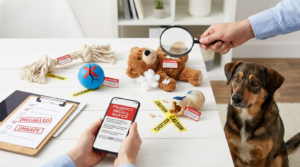
Avoiding low-quality gear becomes easier when you know what to look for. Certain red flags almost always indicate poor craftsmanship or unsafe materials.
Look out for:
- Thin plastic hardware
- Weak stitching or loose threads
- Strong chemical odors
- Poor fabric density
- No material transparency
- Extremely low price compared to competitors
- Generic tags or missing safety labels
If something feels “off,” trust your instincts. Cheap pet gear often reveals its flaws before you even open the package.
What Pet Owners Are Choosing Instead
Fed up with cheap gear, pet parents are choosing better alternatives that prioritize safety and durability. Thankfully, the market now offers plenty of great options that last longer and perform better.
High-Quality Leashes and Collars Made From Strong Materials
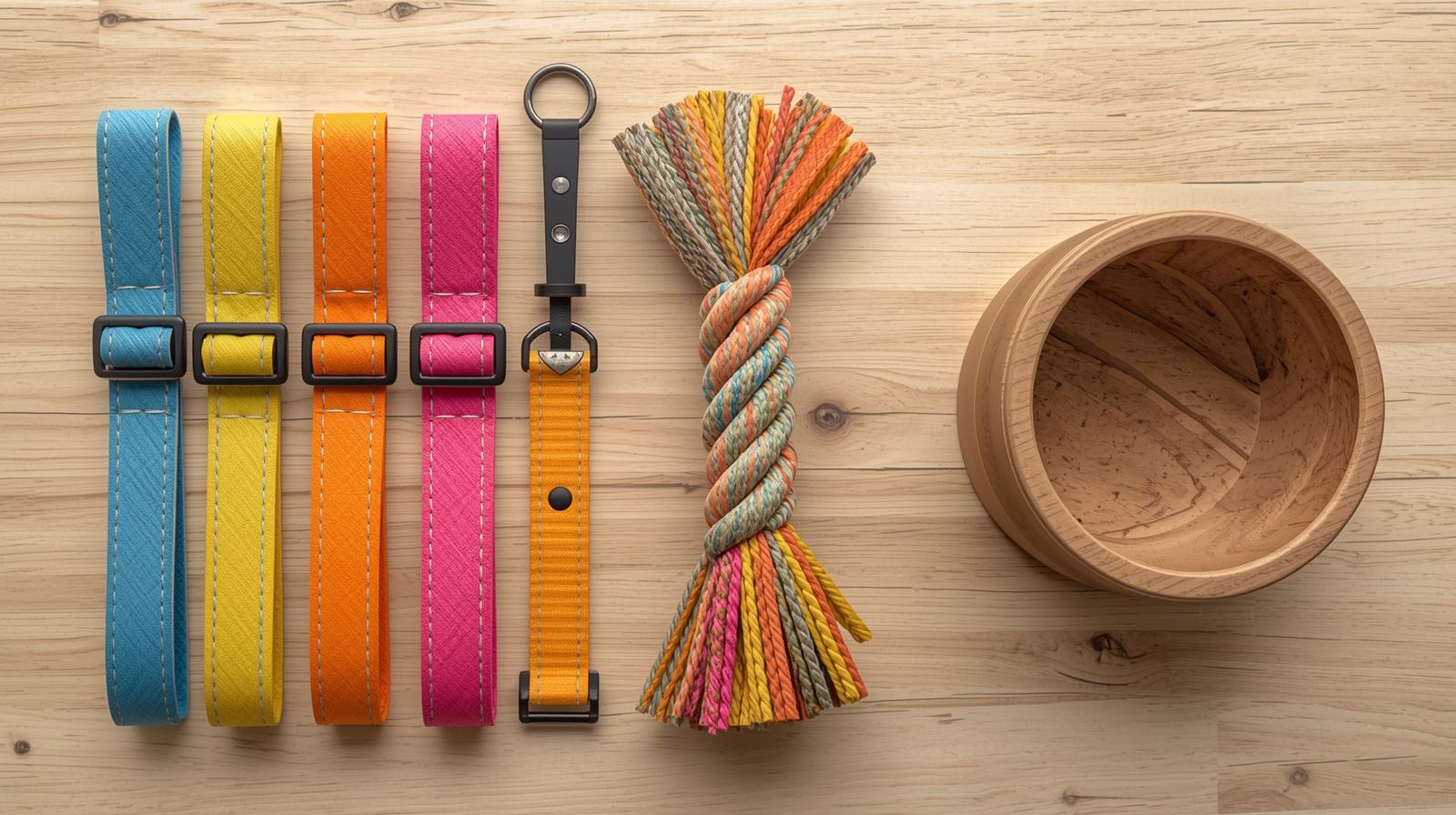
Thick nylon, reinforced polyester, leather, and climbing rope make durable gear that can withstand years of use.
Eco-Friendly Toys Made From Natural Materials
Natural rubber, felted wool, and hemp are safer than plastic-heavy toys and last longer.
Orthopedic and Washable Pet Beds
Cheap beds lose shape quickly. High-quality beds use memory foam, strong stitching, washable covers, and supportive design.
Slow Feeder Bowls Made From Safe Materials
Rather than thin plastic bowls that crack, pet owners prefer stainless steel, ceramic, or BPA-free alternatives.
Grooming Tools Backed by Vets
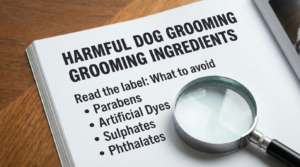
Vets recommend gentle, chemical-free products that protect skin health. These prevent irritation caused by harsh formulas common in cheap options.
How to Avoid Cheap Pet Gear Going Forward
To protect pets and reduce frustration, pet owners are becoming smarter shoppers. They’re learning how to evaluate gear before buying it—and you can too.
Here’s what helps:
- Read full ingredient and material lists
- Check reviews outside the brand’s website
- Look for sustainability or safety certifications
- Examine stitching, hardware, and fabric thickness
- Choose brands with transparent manufacturing
- Avoid products that seem “too cheap to be true”
Better gear isn’t always expensive. Many mid-priced options outperform cheap items by a wide margin.
The Bigger Picture: Why This Shift Matters
Pet owners are sending a message to the industry. They want safety, durability, and honesty. They’re tired of buying cheap pet gear that breaks, harms, or disappoints. And as a result, more companies are stepping up.
This shift is more than a trend—it reflects changing attitudes about how pets should be cared for. Pets deserve products designed with their well-being in mind. Families deserve peace of mind when they buy something meant to keep their pet safe. Choosing quality gear helps build a healthier, more responsible pet industry overall.
Conclusion
Pet owners are fed up with cheap pet gear because it breaks quickly, risks safety, increases long-term costs, and undermines the joy of caring for a pet. As awareness grows, more people are choosing high-quality, durable, and non-toxic alternatives that truly support their pets’ well-being. When you prioritize safe materials, better craftsmanship, and trusted brands, you give your pet gear that lasts—gear that keeps them protected and comfortable. Moving away from cheap products isn’t just about avoiding frustration. It’s about choosing care that reflects the love you have for your pet.
FAQ
1. Why does cheap pet gear break so easily?
Cheap materials and poor construction result in weak seams, thin plastics, and low-quality fabrics.
2. Is cheap pet gear dangerous for pets?
Yes. It can cause choking, chemical exposure, skin irritation, and even escapes during walks.
3. Does expensive always mean better?
Not always, but mid-priced and reputable brands often outperform ultra-cheap products significantly.
4. How can I tell if a product uses toxic materials?
Strong chemical smells, vague material labels, and overly bright dyes are common warning signs.
5. What’s the best way to avoid cheap pet gear?
Choose transparent brands, check reviews, and inspect materials closely before buying.