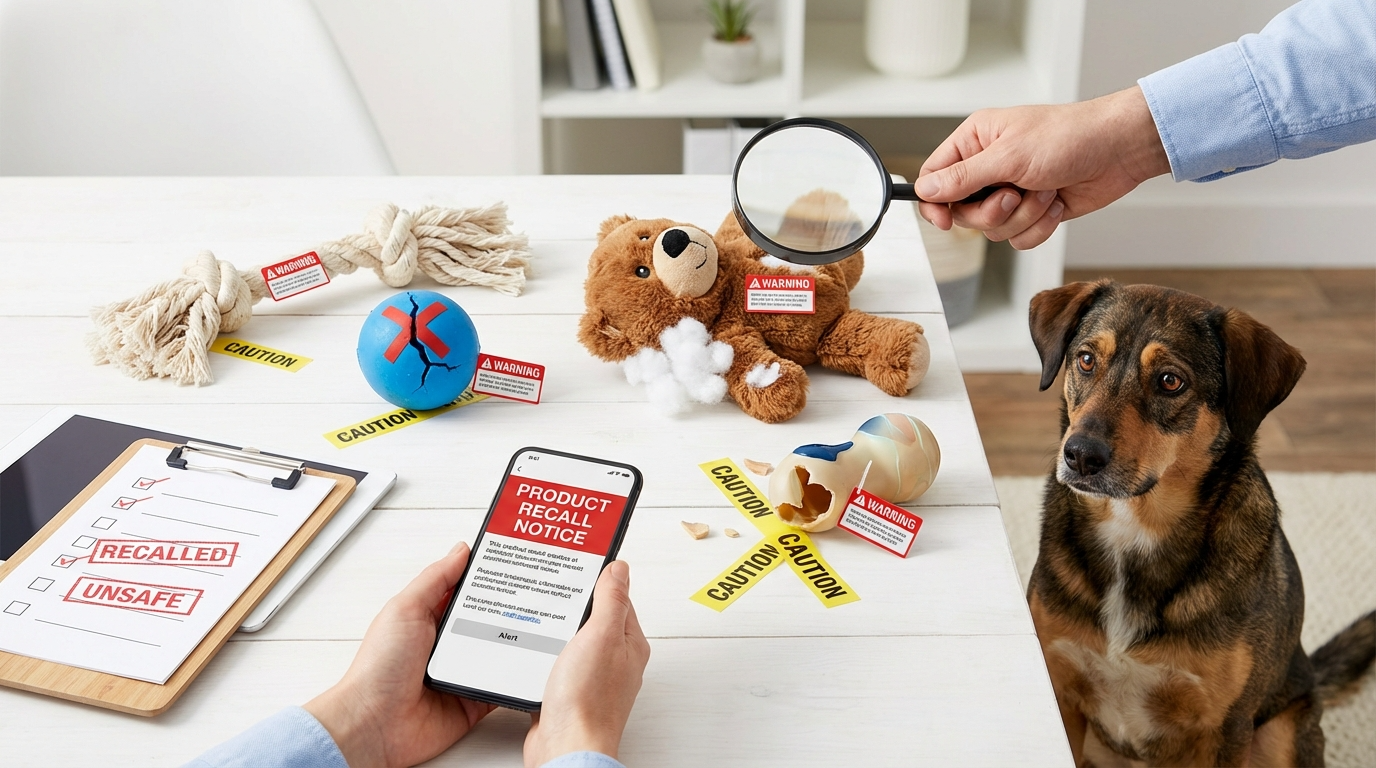

You toss your dog a new toy. They wag their tail, grab it, and start chewing with joy. It looks harmless. It smells new. However, what if hidden chemicals are inside that colorful rubber or soft plush?
Dog toy recalls happen more often than most pet owners think. Unfortunately, many recalls are triggered by toxic materials that should never have been used in the first place.
As responsible pet parents, we need to know what to watch for. Because while toys are meant for fun, they can quickly become dangerous if unsafe substances are involved.
Let’s explore why dog toy recalls occur, which materials raise red flags, and how you can protect your furry companion.
Why Dog Toy Recalls Are Increasing
Pet product safety standards have improved over time. Yet global manufacturing has also expanded. As a result, more products are imported from various suppliers.
Sometimes, materials are not tested thoroughly. In other cases, manufacturing shortcuts are taken to reduce costs. When problems are discovered, dog toy recalls are issued.
Additionally, consumer awareness has grown. Pet owners now report issues more frequently. Regulatory agencies respond faster. Therefore, recalls are being identified and publicized more often.
Although recalls can be alarming, they also show that monitoring systems are working. Still, prevention remains better than reaction.
Understanding dog toy recalls helps you make safer purchasing decisions before problems arise.
Common Toxic Materials Behind Dog Toy Recalls
Certain substances appear repeatedly in dog toy recalls. Knowing these materials gives you a clear advantage.
Lead and Heavy Metals
Lead has been found in painted surfaces and plastic components. It can cause neurological damage, especially with prolonged exposure.
Heavy metals such as cadmium and chromium may also be present in low-quality dyes. These substances are toxic if ingested.
Because dogs chew aggressively, small paint chips may be swallowed. Therefore, avoiding cheaply painted toys is crucial.
Phthalates in Plastic Toys
Phthalates are chemicals used to soften plastic. They make rubber toys flexible and bendable.
However, phthalates have been linked to hormonal disruption. When dogs chew plastic toys repeatedly, exposure increases.
Many dog toy recalls involve products with unsafe phthalate levels. Look for labels that state “phthalate-free” whenever possible.
BPA and Harmful Plastics
Bisphenol A, known as BPA, is used in some plastics. Research suggests potential health concerns with prolonged exposure.
Although regulations vary by country, BPA has appeared in certain pet products. Because dogs chew and lick toys, ingestion risk rises.
Choosing BPA-free toys reduces potential harm.
Toxic Dyes and Chemical Treatments
Bright colors may look appealing. However, some dyes contain harmful compounds.
Low-quality plush toys may also be treated with flame retardants or stain-resistant chemicals. These treatments can irritate skin and cause digestive issues if ingested.
Therefore, simple, naturally colored materials are often safer choices.
How Dog Toy Recalls Impact Your Pet’s Health
When toxic materials are involved, symptoms may not appear immediately. Sometimes, effects build gradually.
Dogs exposed to heavy metals may show lethargy, vomiting, or neurological changes. Hormone-disrupting chemicals can impact long-term health.
Additionally, allergic reactions may occur. Skin irritation, redness, or excessive scratching may signal a problem.
Because symptoms vary, early detection is essential. If your dog behaves unusually after receiving a new toy, remove it immediately.
Monitoring recall alerts can prevent exposure altogether.
How to Stay Updated on Dog Toy Recalls
Staying informed is easier than ever.
Government agencies regularly publish recall notices online. Pet safety websites also track product alerts.
You can sign up for email notifications from regulatory organizations. Additionally, many pet brands announce recalls directly on their websites and social media pages.
When dog toy recalls are issued, details usually include product names, batch numbers, and distribution dates.
Checking periodically ensures you are not unknowingly using a recalled product.
Reading Labels to Avoid Future Dog Toy Recalls
While recalls cannot always be predicted, smart shopping reduces risk.
Look for transparency in labeling. Reputable manufacturers list materials clearly. Avoid vague descriptions like “non-toxic material” without certification.
Check for third-party testing claims. Certifications indicate compliance with safety standards.
Additionally, consider where the toy was manufactured. Some regions maintain stricter quality control than others.
Although price is not always an indicator, extremely cheap toys may use lower-grade materials.
Safer Alternatives to Reduce Recall Risks
Choosing simple designs often lowers risk.
Natural rubber without added chemicals is generally safer than heavily processed plastic. Organic cotton or untreated hemp fabrics reduce exposure to synthetic dyes.
Avoid toys with strong chemical odors. If it smells harsh, it may contain volatile compounds.
Moreover, consider reputable brands with established safety records. Companies with transparent sourcing tend to maintain higher standards.
The Role of Regulation in Dog Toy Recalls
Regulations vary by country. In some regions, pet toys are regulated similarly to children’s toys. In others, standards are less strict.
When unsafe levels of toxins are detected, recalls are issued. Products are removed from shelves. Consumers are notified.
However, enforcement depends on testing and reporting. Therefore, proactive consumer awareness remains vital.
Although improvements continue, not all hazards are eliminated before reaching stores.
Warning Signs a Toy May Be Unsafe
Certain clues suggest potential risk.
Paint that flakes easily may contain heavy metals. Plastic that cracks quickly may break into ingestible pieces.
Excessive chemical smell is another warning sign. Additionally, loose parts create choking hazards.
If your dog develops irritation after chewing a specific toy, discontinue use immediately.
While dog toy recalls address confirmed dangers, individual reactions may occur even without official alerts.
How to Report Unsafe Toys
If you suspect a toy caused harm, report it to relevant authorities.
Save packaging and purchase receipts. Document symptoms and dates.
Regulatory agencies rely on consumer reports to identify patterns. As more cases are submitted, investigations are launched.
Your action could prevent harm to other pets.
Balancing Fun and Safety
Dogs need stimulation. Chewing reduces anxiety. Interactive toys prevent boredom.
However, safety must remain the priority.
Choose durable materials. Inspect toys regularly. Replace damaged items promptly.
Even safe toys can become hazardous when worn out.
Being proactive reduces the likelihood of encountering products involved in dog toy recalls.
The Importance of Supervised Play
Supervision adds an extra layer of protection.
Watch how your dog interacts with new toys. If they shred materials quickly, the toy may not be suitable.
Supervised sessions allow early detection of issues. Additionally, you can remove toys before small pieces are swallowed.
Although supervision cannot eliminate all risk, it significantly reduces exposure.
Conclusion
Dog toy recalls highlight an important reality: not every product on the shelf is safe. Toxic materials such as lead, phthalates, BPA, and harmful dyes have appeared in recalled items.
By staying informed, reading labels carefully, and choosing reputable brands, you reduce potential risks. Additionally, regular inspection and supervised play protect your dog further.
Toys should bring joy, not hidden danger. When awareness guides your choices, you create a safer environment for your loyal companion.
Protecting your dog starts with informed decisions. Stay alert, stay educated, and always prioritize safety over flashy designs.
FAQs
- What causes most dog toy recalls?
Most dog toy recalls are triggered by toxic materials such as lead, phthalates, or harmful dyes found during safety testing. - How can I check if a toy has been recalled?
Visit government safety websites or search the manufacturer’s website for recall announcements. - Are expensive toys always safer?
Not necessarily, but reputable brands with transparent sourcing tend to follow stricter safety standards. - What symptoms suggest toxic exposure from a toy?
Vomiting, lethargy, skin irritation, or unusual behavior may indicate possible exposure to harmful materials. - Should I throw away old toys to avoid risks?
If toys show wear, flaking paint, or strong chemical odor, replacing them is a safer choice.
Favorites
Human Written |100% Unique |SEO Optimised Articleby Jumma
Keyword Strategyby AIPRM
Generate Buyer Personaby Contact For SEO
SEO Meta title and Meta Descriptionby Hussain Silat
Creative Logo Designby Leandro Wanderley
Create a full website of:by Diego Alfeiran
Newsletter Growth Prompt (Week 1 – Week 4)by Ian Manalo
SEO Article Prompt for Agency (BBP)by Ian Manalo
Custom Lists
SEO Article Prompt for HistoryOfBitcoinby Ian Manalo
SEO Article Prompt for BitcoinMinerSalesby Ian Manalo