
Bath time can feel like a simple task. Soap, water, rinse, done. However, when it comes to your dog, it’s not always that straightforward. Many pet owners ask the same question: how often bathe dogs without causing dryness, itching, or irritation?
The answer isn’t one-size-fits-all. Some dogs need frequent washes. Others thrive with fewer baths. If you wash too often, natural oils are stripped away. If you wait too long, dirt and bacteria build up. So balance becomes the goal.
Let’s explore how often bathe dogs safely, while protecting their skin and coat.
Why Knowing How Often Bathe Dogs Matters
Dogs rely on natural skin oils for protection. These oils keep their coat shiny and their skin moisturized. When overwashed, that protective layer is reduced. As a result, dryness and irritation may occur.
On the other hand, infrequent bathing can lead to odor and skin infections. Dirt traps bacteria. Moisture gets locked in. Problems can develop quietly.
Therefore, understanding how often bathe dogs helps maintain healthy skin. It also prevents unnecessary discomfort.
While humans bathe daily, dogs are different. Their skin has a different pH level. Consequently, products and routines must be adjusted accordingly.
General Guidelines on How Often Bathe Dogs
Most healthy dogs can be bathed every four to six weeks. This schedule works well for average indoor pets with short to medium coats.
However, that is only a starting point. Some breeds require more frequent grooming. Others need far less.
For example, oily-coated breeds like Basset Hounds may need baths every few weeks. Meanwhile, dogs with water-repellent coats, such as Huskies, may only need bathing a few times a year.
If you’re unsure how often bathe dogs in your specific case, consult your veterinarian or groomer.
Still, lifestyle plays a major role. A dog who rolls in mud weekly will obviously need more frequent cleaning.
How Coat Type Affects How Often Bathe Dogs
Coat type influences bathing frequency more than many people realize.
Short-Haired Dogs
Short-haired breeds often require less maintenance. Their coats do not trap dirt as easily. As a result, bathing every one to two months may be sufficient.
However, shedding can still occur. Regular brushing reduces the need for frequent washing.
Long-Haired Dogs
Long-haired breeds collect debris more easily. Mats can form if dirt remains trapped. Therefore, bathing every four weeks is often recommended.
Still, brushing between baths is essential. It distributes oils naturally and prevents tangles.
Double-Coated Breeds
Double-coated dogs have insulating layers. These layers protect against weather changes. Frequent washing can disturb this balance.
For these breeds, fewer baths are often better. Instead, focus on regular brushing.
Understanding coat type helps determine how often bathe dogs without damaging their natural protection.
How Skin Sensitivity Changes Bathing Frequency
Some dogs have sensitive skin. They may experience redness, itching, or flaking after bathing.
If irritation appears, bathing frequency should be reduced. Additionally, shampoo choice becomes critical. Use gentle, dog-specific formulas free from harsh chemicals.
Hypoallergenic shampoos are often recommended. In some cases, medicated shampoos are prescribed by veterinarians.
When evaluating how often bathe dogs with sensitive skin, watch closely for reactions. Less is often more in these situations.
Active Dogs and Bathing Needs
Dogs that spend time outdoors get dirty faster. Mud, pollen, and environmental allergens stick to their coat.
If your dog swims often, bathing may also increase. Chlorine and saltwater can dry the skin. Therefore, rinsing after swimming is helpful.
However, rinsing with plain water differs from full shampoo baths. Plain water removes debris without stripping oils excessively.
Thus, when deciding how often bathe dogs that live active lives, consider quick rinses between full washes.
Signs You’re Bathing Too Often
Sometimes, overbathing happens unintentionally.
Dry, flaky skin is a common sign. Excessive scratching may follow. The coat may appear dull instead of shiny.
Additionally, small scabs or redness can develop. These symptoms indicate irritation.
If these signs appear, reduce bathing frequency. Focus on brushing and spot cleaning instead.
Learning how often bathe dogs safely includes recognizing when you’ve gone too far.
Signs You’re Not Bathing Enough
Conversely, infrequent washing also causes issues.
Strong odor is an obvious clue. Greasy fur may develop. Skin infections can occur if bacteria accumulate.
In some cases, yeast infections develop in moist areas. This may cause a sour smell.
Therefore, balance matters. Observing your dog’s skin and coat provides important feedback.
Choosing the Right Shampoo Matters
Even if you know how often bathe dogs, product choice affects results.
Never use human shampoo. Human formulas disrupt canine skin pH. This can cause irritation quickly.
Instead, choose dog-specific shampoos. Look for oatmeal, aloe, or natural moisturizers.
Avoid artificial fragrances and dyes. These ingredients may trigger reactions.
Additionally, always rinse thoroughly. Residue left behind can cause itching.
Bathing Puppies: How Often Bathe Dogs at a Young Age
Puppies have delicate skin. Overwashing can cause dryness quickly.
Unless they get extremely dirty, bathing once a month is usually enough.
Introduce baths gradually. Use warm water. Keep sessions short and positive.
Because early experiences shape behavior, gentle handling is important.
When determining how often bathe dogs during puppyhood, prioritize comfort and safety.
Senior Dogs and Bathing Considerations
Older dogs may have thinner skin. They may also suffer from joint stiffness.
Bathing too often can irritate fragile skin. However, hygiene remains important.
Use warm water and non-slip mats for safety. Consider sponge baths if full baths become difficult.
As dogs age, their grooming needs change. Adjust accordingly.
Seasonal Changes and Bathing Frequency
Weather influences bathing routines.
In summer, dogs may need more frequent baths due to heat and outdoor activity.
In winter, dry air already reduces skin moisture. Frequent bathing during cold months may worsen dryness.
Therefore, seasonal adjustments are wise. Observe how your dog’s coat reacts.
Brushing as an Alternative to Frequent Baths
Regular brushing reduces the need for frequent washing.
Brushing removes loose hair and dirt. It also spreads natural oils evenly.
For many dogs, weekly brushing maintains coat health effectively.
Instead of asking only how often bathe dogs, also ask how often you brush.
Often, brushing solves minor cleanliness issues.
Professional Grooming and Bathing Schedules
Professional groomers offer guidance. They assess coat condition and recommend schedules.
For some breeds, grooming every four to eight weeks is standard.
However, at-home bathing between visits may not always be necessary.
Communication with your groomer ensures consistent care.
Medical Conditions That Affect Bathing Frequency
Certain health conditions require special bathing schedules.
Dogs with allergies may need medicated baths weekly. Others with skin infections may follow veterinary instructions.
In these cases, frequency is prescribed for treatment purposes.
Always follow professional advice when medical conditions are involved.
Creating a Safe Bath Routine
A calm routine reduces stress.
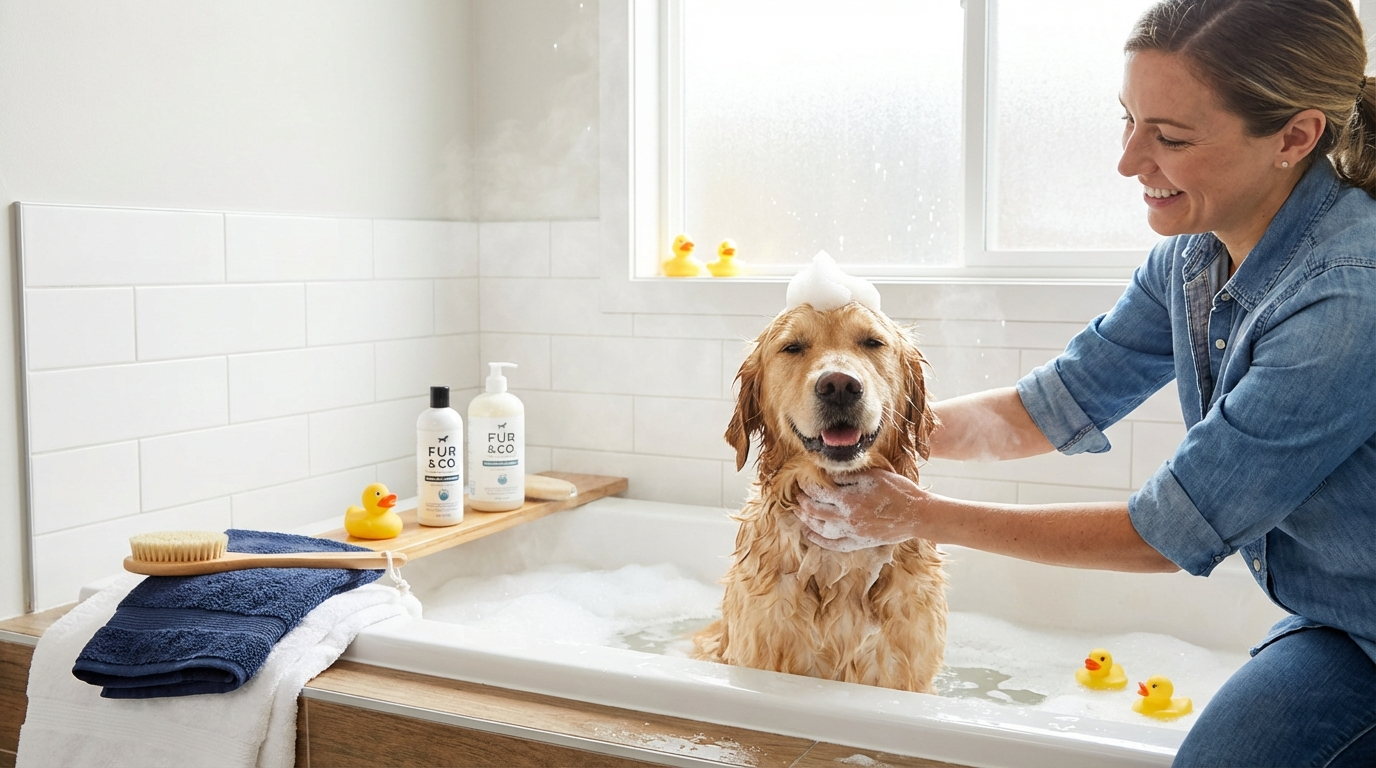
Use lukewarm water. Avoid spraying directly into ears or eyes. Dry thoroughly afterward.
Towel drying is usually sufficient. Some dogs tolerate low-heat blow drying.
Positive reinforcement helps create a better experience.
When baths are associated with comfort, stress decreases.
Conclusion
Knowing how often bathe dogs without causing skin irritation requires attention to coat type, lifestyle, and individual sensitivity. While general guidelines suggest bathing every four to six weeks, adjustments may be necessary.
Overbathing strips essential oils. Underbathing allows bacteria to build. Therefore, balance becomes key.
By observing your dog’s skin, choosing gentle products, and brushing regularly, you protect their comfort and health. Bathing should support wellness, not disrupt it.
When done thoughtfully, bath time becomes part of a healthy routine rather than a source of irritation.
FAQs
- How often bathe dogs with sensitive skin?
Dogs with sensitive skin may need bathing every six to eight weeks, using gentle or medicated shampoo as recommended by a vet. - Can I bathe my dog every week?
Weekly baths are usually unnecessary unless prescribed for medical reasons. Overwashing can dry out the skin. - What happens if I rarely bathe my dog?
Dirt and bacteria may accumulate, leading to odor and possible skin infections over time. - Is rinsing with water the same as bathing?
No. Rinsing removes surface dirt, while bathing with shampoo cleans oils and deeper buildup. - Does brushing reduce how often bathe dogs?
Yes. Regular brushing removes debris and distributes oils, often reducing the need for frequent baths.