
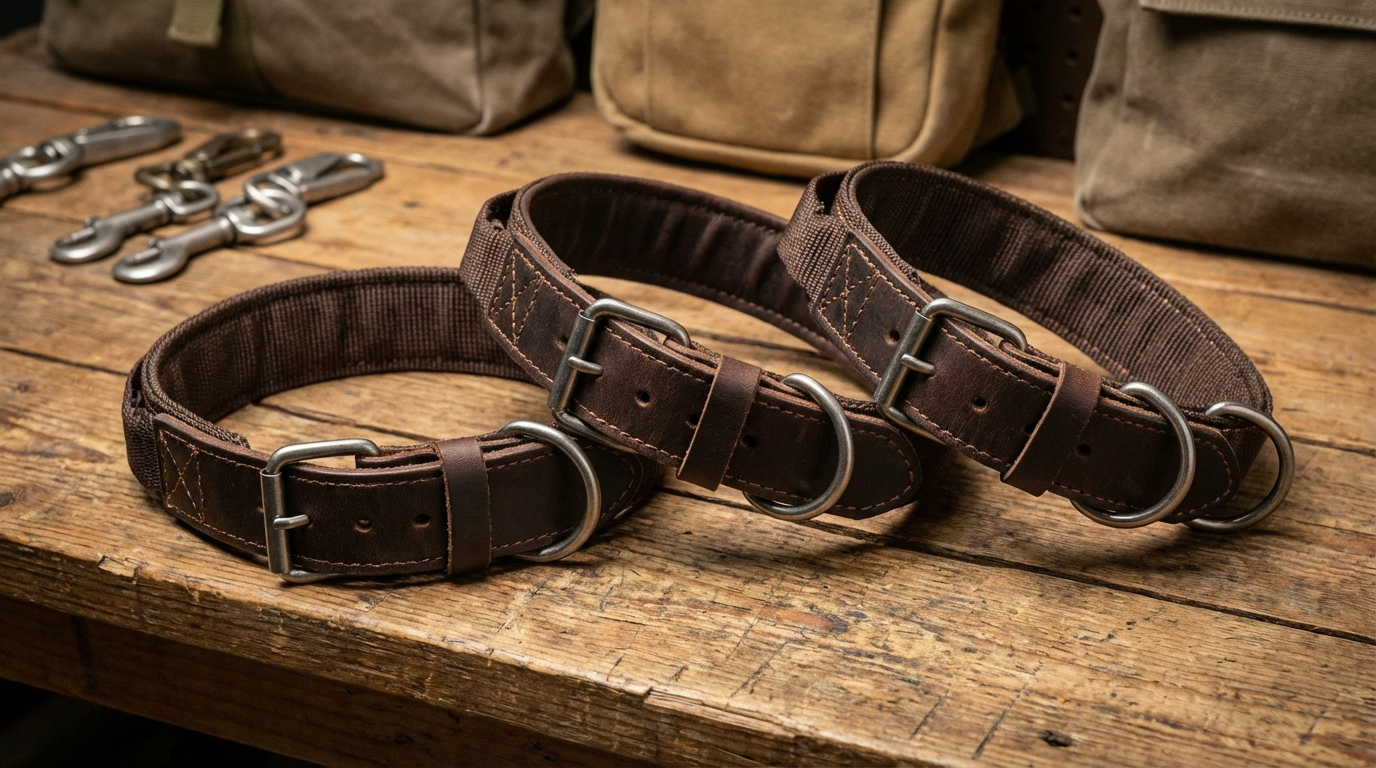

A dog collar might look simple, yet it carries enormous responsibility. It holds identification, connects to the leash, and acts as the final line of control in unexpected moments. When a dog pulls suddenly, reacts to a distraction, or panics, the collar must perform without hesitation. That is where heavy-duty dog collars earn their reputation.
Many collars on the market are designed for appearance rather than performance. They work fine for calm dogs in quiet environments. However, active dogs, large breeds, working dogs, and strong pullers demand more. In these situations, the buckle becomes the deciding factor between security and failure.
Choosing the right collar is not about toughness alone. Comfort, fit, and smart design matter just as much. A well-made collar supports your dog without causing strain while giving you confidence on every walk.
Why Strength and Reliability Matter in Dog Collars
Dogs are powerful animals. Even a medium-sized dog can generate surprising force during a sudden lunge. When collars fail, consequences follow quickly. A snapped buckle or stretched strap can lead to escape, injury, or dangerous situations near traffic or other animals.
Durable collars are engineered to handle stress. Reinforced materials distribute force evenly. Strong hardware resists cracking or bending. Stitching remains intact under pressure.
Reliability brings peace of mind. Walks feel calmer. Training sessions stay consistent. Emergencies become manageable instead of chaotic.
A dependable collar protects both dog and handler.
What Separates Heavy-Duty Dog Collars From Standard Options
Not all collars are created equal. A true heavy-duty design includes several key elements working together.
First, materials must withstand repeated stress. High-tensile webbing, quality leather, or coated materials prevent stretching and tearing. Second, stitching must reinforce stress points rather than decorate them. Double or box stitching increases strength dramatically.
Third, hardware quality matters. Buckles, D-rings, and adjustment sliders absorb most of the load. Inferior hardware fails silently until it suddenly gives way.
When these elements align, the collar becomes a reliable piece of safety equipment instead of a decorative accessory.
The Importance of Buckle Design and Construction
The buckle is the heart of the collar. It holds everything together. During sudden pulls, it absorbs the initial shock.
High-quality buckles are made from metal alloys or reinforced polymers designed for impact resistance. Metal buckles provide maximum strength and long-term durability. They resist cracking and deformation even under repeated force.
Some modern polymer buckles perform well too, especially when engineered for tactical or outdoor use. However, quality varies widely. Cheap plastic buckles are the most common failure point in everyday collars.
Locking mechanisms add another layer of security. These prevent accidental release if the buckle is bumped or twisted during activity.
Quick-Release vs Locking Buckles
Convenience matters, especially in emergencies. Quick-release buckles allow fast removal when needed. However, not all quick-release designs are equally secure.
Locking buckles require deliberate action to open. This prevents accidental release during play or pulling. Many strong collars now combine both features, offering easy removal with added safety.
For dogs that pull hard or react unpredictably, a locking system provides valuable reassurance.
Material Choices That Enhance Durability
Material selection defines how a collar performs over time.
High-Density Nylon Webbing
Nylon webbing is lightweight yet strong. Tactical-grade versions resist abrasion and moisture. They maintain shape even after repeated stress.
This material suits active dogs who spend time outdoors in varying conditions.
Full-Grain Leather
Leather offers natural strength and flexibility. High-quality leather softens with use while maintaining integrity. When cared for properly, it lasts for years.
Leather collars provide durability with classic style. However, they require maintenance to prevent moisture damage.
Biothane and Coated Materials
Biothane combines flexibility with waterproof performance. It resists odor, bacteria, and cracking. Cleaning is simple, making it ideal for muddy or aquatic environments.
These materials suit dogs that love water, hiking, or rough terrain.
Collar Width and Pressure Distribution
Width plays a crucial role in comfort and safety. Narrow collars concentrate pressure on a small area of the neck. Wider collars spread force more evenly.
For larger or stronger dogs, wider designs reduce strain. They also lower the risk of injury during sudden pulls.
Comfort improves when pressure is distributed properly. Dogs accept collars more readily when they feel balanced rather than restrictive.
Heavy-Duty Dog Collars for Large and Strong Breeds
Large breeds present unique challenges. Their size and strength amplify any equipment weakness.
Breeds such as German Shepherds, Rottweilers, Dobermans, and Mastiffs require collars designed specifically for power. Reinforced hardware, wider straps, and secure adjustment systems are essential.
A well-fitted, durable collar gives owners better control while protecting the dog’s neck and spine.
Collars for Working and Sporting Dogs
Working dogs rely on equipment daily. Law enforcement, search and rescue, hunting, and sport dogs operate in demanding environments.
Their collars must resist dirt, water, impact, and constant movement. Failure is not an option.
High-performance collars for working dogs emphasize reliability, minimal bulk, and secure attachment points. They are built to function rather than impress visually.
Escape Prevention and Secure Fit
Some dogs are escape artists. They back out, twist, and slip free when given the chance.
A secure collar minimizes this risk through proper sizing and strong hardware. Adjustable designs ensure a snug fit without choking.
Martingale-style collars add gentle tightening when tension occurs. This reduces slipping while remaining humane and controlled.
Fit matters as much as strength. Even the toughest collar fails if sized incorrectly.
Comfort Features That Should Not Be Overlooked
Strength should never come at the cost of comfort. A collar worn daily must feel neutral to the dog.
Padding along the inside reduces friction. Rounded edges prevent rubbing. Breathable materials help regulate temperature.
Comfort encourages calm behavior. Dogs are less likely to scratch, shake, or resist when their collar feels natural.
A comfortable dog is easier to manage and train.
Weather Resistance and Longevity
Outdoor exposure challenges any material. Sunlight fades weak fabrics. Moisture weakens stitching. Dirt accelerates wear.
Durable collars resist these elements. UV-resistant materials prevent fading. Corrosion-resistant hardware avoids rust. Reinforced stitching remains intact.
Longevity saves money and reduces waste. Replacing collars less often benefits both owner and environment.
Training Benefits of Reliable Collars
Training depends on consistency. Equipment that shifts or fails interrupts communication.
A stable collar maintains position during leash cues. Dogs receive clear signals. Handlers feel confident applying guidance.
Reliable gear supports better learning outcomes and strengthens trust between dog and owner.
Adjustability and Growth Considerations
Dogs change over time. Weight fluctuates. Muscles develop. Puppies grow.
Adjustable collars accommodate these changes. High-quality adjustment hardware holds position without slipping.
Proper adjustment ensures comfort and safety throughout different life stages.
D-Ring Strength and Placement
The D-ring connects collar to leash and identification. Its placement and reinforcement matter.
Centered, reinforced D-rings distribute force evenly. Welded or solid rings resist bending.
Weak rings undermine an otherwise strong collar. Hardware quality must remain consistent throughout.
Visibility and Safety Enhancements
Visibility increases safety during low-light conditions. Reflective stitching or panels help drivers and cyclists spot dogs.
Some durable collars integrate visibility without compromising strength. This adds another layer of protection during evening walks.
Maintenance and Inspection
Even the strongest collar requires periodic inspection.
Check buckles for cracks or deformation. Inspect stitching for fraying. Clean materials to remove grit.
Early detection prevents failure. Maintenance extends lifespan and preserves performance.
Common Mistakes When Buying Durable Collars
Many owners focus on appearance first. Bright colors and trendy designs distract from build quality.
Ignoring hardware strength leads to disappointment. Choosing the wrong size compromises safety.
Education prevents these mistakes. Understanding construction helps make better decisions.
Why Cheap Collars Fail
Cost-cutting affects materials and craftsmanship. Cheap buckles snap. Stitching unravels. Webbing stretches.
Failure rarely happens gradually. It happens suddenly.
Investing in quality reduces risk and long-term expense.
Matching Collar Choice to Dog Behavior
Behavior determines equipment needs. Calm walkers require less reinforcement. Reactive dogs need stronger hardware.
Pulling behavior demands wider collars and stronger buckles. Matching gear to reality ensures safety.
Hope is not a strategy. Preparation is.
Collars and Harnesses: Complementary Tools
Harnesses distribute force across the body. Collars provide identification and leash control.
Many owners use both depending on situation. A durable collar complements a harness effectively.
Each tool serves a purpose.
Legal and Identification Requirements
Most regions require dogs to wear identification. A reliable collar secures tags safely.
Durable hardware prevents tag loss. Identification remains accessible when needed most.
Style Meets Function
Strength does not eliminate style. Modern durable collars offer a range of designs.
Neutral tones, tactical aesthetics, or classic leather finishes are available.
Function leads design. Style follows naturally.
When Replacement Is Necessary
No collar lasts forever. Replace equipment when signs of wear appear.
Cracked buckles, loose stitching, or significant stretching signal time for replacement.
Proactive replacement prevents accidents.
The Psychological Benefit of Reliable Equipment
Confidence flows from reliability. Owners feel calmer. Dogs sense that calm.
Walks become smoother. Reactions lessen.
Trust grows when equipment performs consistently.
Conclusion
Heavy-duty dog collars with reliable buckle strength provide safety, control, and peace of mind. They are not luxury items. They are essential tools for responsible dog ownership, especially for strong, active, or unpredictable dogs.
Choosing the right collar means prioritizing materials, construction, comfort, and fit. When these elements align, the collar becomes an extension of care rather than a point of concern. Strength paired with thoughtful design protects dogs and empowers owners. That balance is what truly defines a great collar.
FAQ
1. Are heavy-duty dog collars suitable for daily wear?
Yes, they are designed for everyday use and long-term durability.
2. Do metal buckles outperform plastic ones?
In most cases, metal buckles offer greater strength and longevity.
3. Can strong collars cause discomfort?
Not when properly fitted and padded for comfort.
4. Are durable collars good for training?
Yes, they provide consistent control and reliable feedback.
5. How do I choose the correct size?
Measure your dog’s neck accurately and follow sizing guidelines carefully.