
Pet ownership brings joy, companionship, and responsibility. Over time, that responsibility piles up in the form of worn collars, frayed leashes, cracked bowls, chewed toys, and outdated beds. When these items reach the end of their usable life, many people simply toss them away. Yet choosing to recycle old pet gear instead can make a meaningful difference.
Pet gear is often made from mixed materials. Plastics, metals, fabrics, foams, and rubbers are combined for durability and comfort. Unfortunately, this also makes disposal complicated. Some items can be recycled. Others require special handling to avoid environmental harm or safety risks.
Learning how to recycle old pet gear safely is not about perfection. It is about intention. With a thoughtful approach, you can reduce waste, protect animals, and contribute to a healthier environment without added stress.
Why Recycling Old Pet Gear Matters More Than You Think
Every year, millions of pet products end up in landfills. Collars, harnesses, and toys are discarded once they break or lose appeal. Most of these items are slow to decompose.
Plastics can persist for hundreds of years. Synthetic fabrics shed microfibers into soil and water. Foam beds release chemicals as they break down.
When you recycle old pet gear responsibly, you interrupt this cycle. Materials are reused instead of buried. Resources are conserved. Pollution is reduced.
Beyond environmental impact, safety matters. Improper disposal can expose wildlife to choking hazards or toxic materials. Responsible recycling protects more than just your home.
Understanding What Pet Gear Can Be Recycled
Not all pet gear is recyclable in the same way. Knowing what you are working with helps avoid mistakes.
Common pet gear materials include:
- Hard plastics from bowls and toys
- Soft plastics from leashes or flexible toys
- Metals from clips, tags, and bowls
- Fabrics from beds, coats, and carriers
- Rubber from chew toys
Each material follows different recycling rules. Mixed-material items often need to be separated before recycling.
Understanding composition is the first step to recycle old pet gear safely.
Recycling Old Pet Gear Made of Plastic
Plastic pet gear is widespread. Bowls, toys, and feeders often fall into this category.
Start by checking recycling symbols. Many hard plastics marked with recycling codes 1, 2, or 5 are accepted by municipal programs.
Before recycling, clean items thoroughly. Food residue attracts pests and contaminates recycling streams.
Soft plastics are trickier. Flexible toys and coated leashes are rarely accepted curbside. However, specialized recycling programs may accept them.
When in doubt, contact your local recycling facility for guidance.
How to Handle Broken Plastic Toys Safely
Broken toys pose risks. Sharp edges and small pieces can injure handlers and wildlife.
Before recycling, secure fragments in a sealed bag. This prevents scattering.
If recycling is not possible, dispose of responsibly in household waste. Safety always comes first.
Choosing to recycle old pet gear does not mean forcing every item into a bin. Knowing when to stop matters.
Recycling Metal Components from Pet Gear
Metal is one of the easiest materials to recycle.
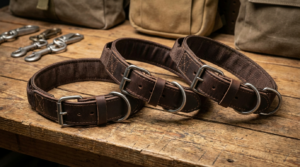
Collar buckles, leash clips, and stainless steel bowls are highly recyclable. Remove fabric or plastic components when possible.
Rinse metal items to remove debris. Dry them before placing in recycling.
Scrap metal facilities often accept small metal items. Some even offer drop-off programs.
Separating metal from mixed gear significantly increases recycling success.
What to Do With Fabric-Based Pet Gear
Fabric pet gear includes beds, blankets, coats, and carriers.
Clean fabric thoroughly before recycling or donating. Odors and hair reduce reuse potential.
Some textile recycling programs accept worn fabrics regardless of condition. These materials may be repurposed into insulation or padding.
If recycling is unavailable, consider creative reuse. Old beds can become garage mats. Blankets may serve as cleaning rags.
When you recycle old pet gear creatively, waste becomes opportunity.
Recycling Rubber and Silicone Pet Products
Rubber toys and silicone bowls are durable but challenging.
Some recycling centers accept silicone products. Rubber acceptance varies widely.
Check manufacturer take-back programs. Many eco-conscious brands offer recycling options for worn products.
If recycling is not available, ensure safe disposal. Avoid leaving rubber items exposed outdoors, where wildlife may ingest fragments.
Donating Usable Pet Gear Instead of Recycling
Not all old pet gear is truly “old.” Some items remain functional but no longer needed.
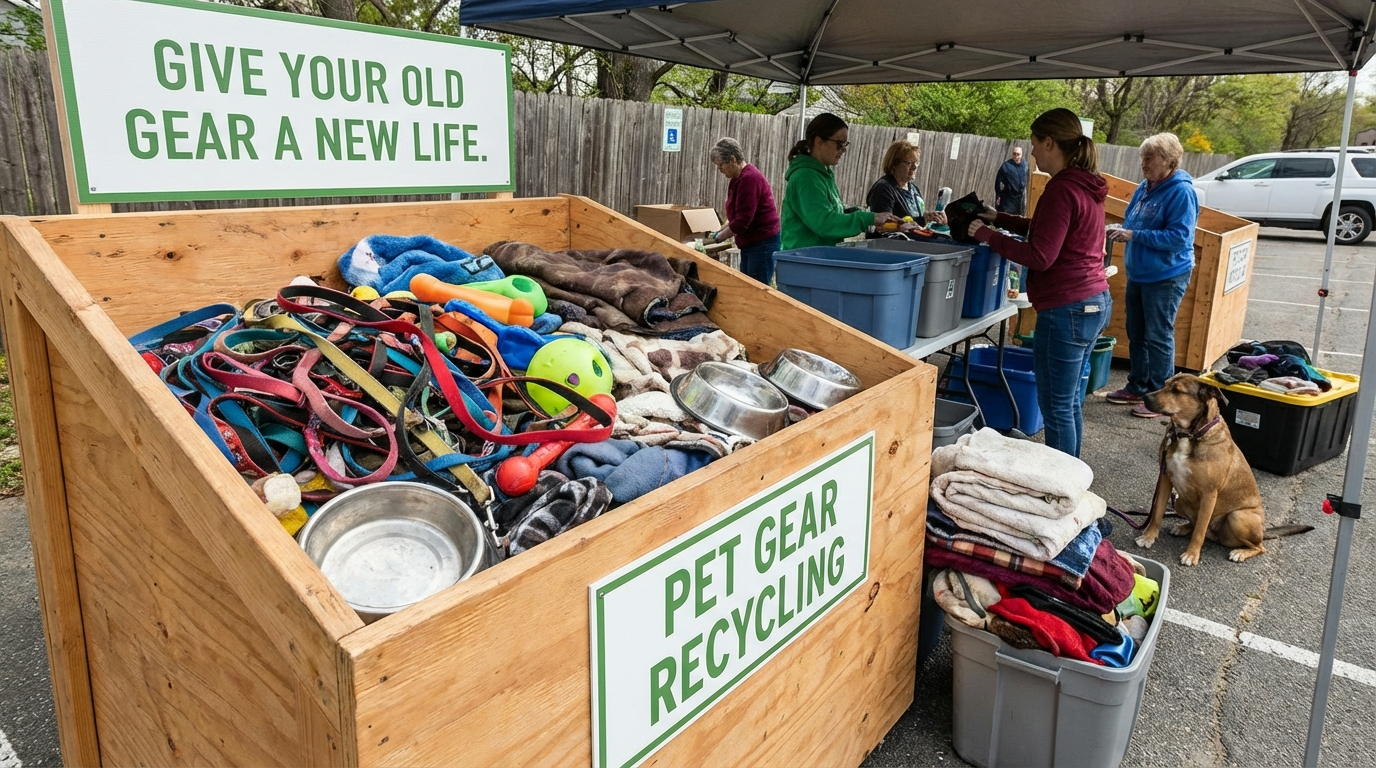
Shelters, rescues, and foster organizations often accept gently used gear. Leashes, collars, carriers, and beds are in constant demand.
Before donating, clean items thoroughly. Remove personal tags and damaged parts.
Donating extends product life and reduces demand for new manufacturing. This is recycling in spirit and impact.
Why Safety Comes First When Recycling Pet Gear
Safety is often overlooked in recycling efforts.
Pet gear carries biological residue. Saliva, skin cells, and food particles remain. Without cleaning, these materials pose health risks.
Wear gloves when handling damaged gear. Wash hands afterward.
Never attempt to recycle items contaminated with chemicals, mold, or bodily fluids. These belong in sealed disposal.
Recycling responsibly protects people and animals alike.
How to Recycle Old Pet Gear Without Harming Wildlife
Improper disposal harms wildlife. Loose straps entangle animals. Small pieces are swallowed.
Cut leashes and collars into smaller sections before disposal or recycling. This reduces entanglement risk.
Remove metal rings when possible.
Bag small items securely.
Wildlife safety should always guide decisions.
Manufacturer Take-Back Programs for Pet Gear
Some pet brands take responsibility for end-of-life products.
These programs accept worn gear for recycling or proper disposal. Materials are repurposed responsibly.
Check brand websites for sustainability initiatives.
Supporting brands with take-back programs encourages better industry practices.
Eco-Friendly Disposal When Recycling Is Not Possible
Sometimes recycling is not available.
In these cases, focus on minimizing harm. Secure items in durable bags. Prevent scattering.
Choose waste facilities that manage materials responsibly.
While recycling is ideal, thoughtful disposal still matters.
Teaching Children About Recycling Old Pet Gear
Pet care offers teachable moments.
Involve children in sorting old pet gear. Explain why recycling matters.
Assign age-appropriate tasks like cleaning bowls or separating materials.
These lessons build lifelong environmental awareness.
Pets become ambassadors for sustainability.
Storing Old Pet Gear Before Recycling
Temporary storage may be necessary.
Store clean, dry items in labeled containers. Keep them away from pets.
Avoid piling damaged gear loosely. Sharp edges pose injury risks.
Organized storage simplifies recycling efforts.
Seasonal Pet Gear and Recycling Cycles
Seasonal gear often rotates out.
Winter coats, cooling mats, and travel accessories accumulate.
Set periodic reviews. Assess condition. Decide whether to recycle, donate, or discard.
Regular cycles prevent clutter and forgotten waste.
The Environmental Impact of Recycling Old Pet Gear
Recycling reduces landfill volume. It conserves raw materials.
Energy use decreases when recycled materials replace new production.
Even small actions compound over time.
Choosing to recycle old pet gear contributes to broader environmental goals.
Common Mistakes to Avoid When Recycling Pet Gear
Good intentions sometimes lead to errors.
Avoid placing dirty items in recycling bins. Contamination ruins batches.
Do not assume all plastics are recyclable. Check codes.
Avoid wish-cycling. Forcing non-recyclable items into bins causes harm.
Accuracy matters more than volume.
How Often Should You Review and Recycle Pet Gear
Annual reviews work well.
Inspect gear for wear. Replace unsafe items.
Plan recycling or donation accordingly.
Consistency prevents last-minute disposal.
The Emotional Side of Letting Go of Pet Gear
Pet gear holds memories.
Letting go feels sentimental. This is normal.
Focus on purpose. Recycling honors the life shared.
Memories remain, even when items move on.
Building a Sustainable Pet Care Routine
Sustainability is cumulative.
Choose durable gear. Repair when possible.
Recycle responsibly at end of life.
Each step supports a healthier planet.
Conclusion
Learning how to recycle old pet gear safely is a powerful act of responsible pet ownership. It protects the environment, safeguards wildlife, and reduces unnecessary waste. With thoughtful sorting, cleaning, and disposal, even worn items can serve a final purpose beyond the landfill.
Every collar, toy, or bed you recycle reflects care that extends beyond your home. Small choices add up. When sustainability becomes part of pet care, everyone benefits, especially the planet our pets depend on.
FAQ
1. Can all pet toys be recycled?
No, recycling depends on material type and local facility rules.
2. Should I clean pet gear before recycling?
Yes, cleaning prevents contamination and improves recycling success.
3. Can damaged leashes harm wildlife if thrown away?
Yes, unsecured straps pose entanglement risks.
4. Are pet beds recyclable?
Some fabrics and foams are recyclable through textile programs.
5. Is donating better than recycling old pet gear?
When items are usable, donation is often the best option.