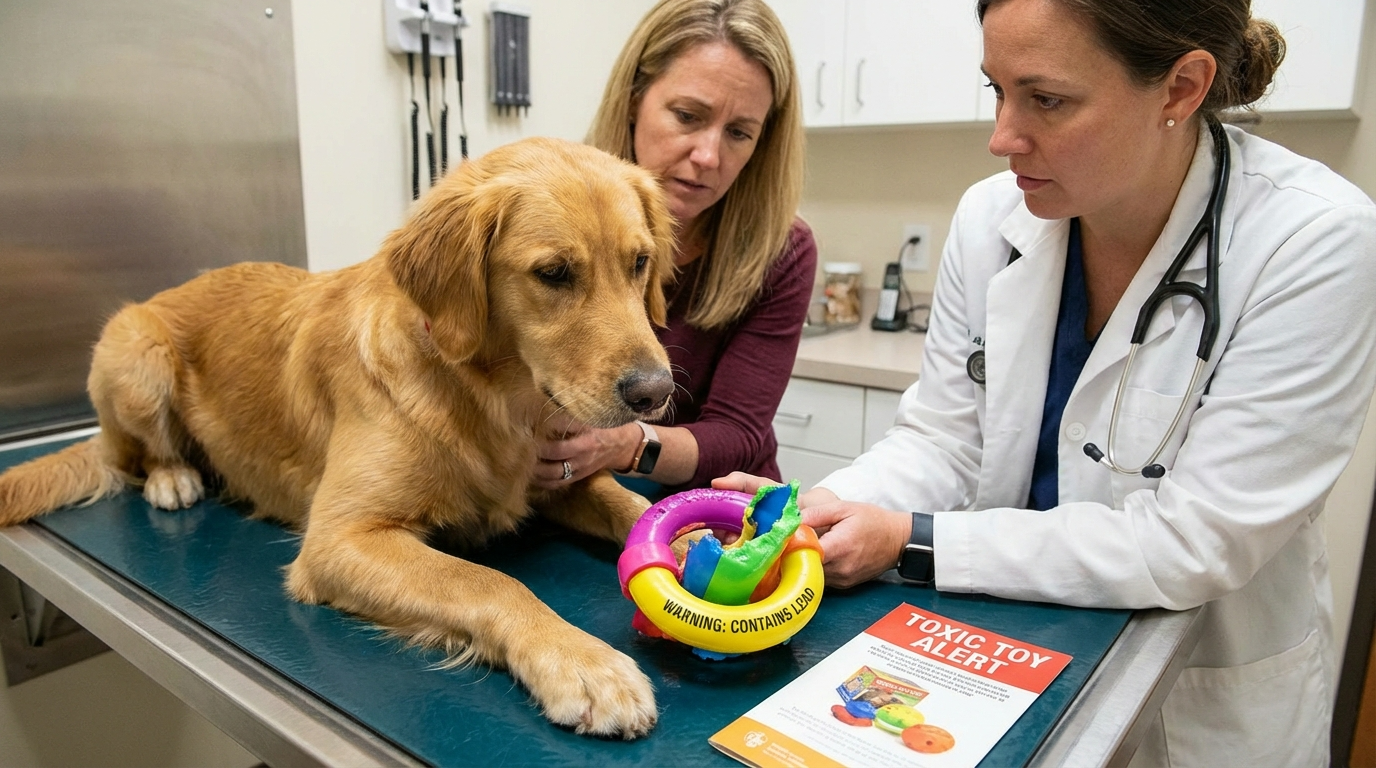

Dogs explore the world with their mouths. They chew to relieve stress, boredom, and curiosity. Toys are meant to be safe outlets for that instinct. Unfortunately, not all toys are as harmless as they appear. When toxic toy exposure dogs experience goes unnoticed, the consequences can be serious.
Bright colors, strong smells, and soft plastics can hide chemicals that were never meant to be swallowed. Over time, or sometimes suddenly, these toxins affect your dog’s body in subtle and alarming ways. Many owners miss the early clues, assuming their dog is just “off” for the day.
Knowing what to look for can change everything. Early recognition allows faster intervention, less suffering, and better outcomes. Let’s break down the seven most important warning signs that your dog may have been exposed to toxic toys, and why each one matters.
Why Toxic Toy Exposure in Dogs Is More Common Than You Think
Toxic toy exposure dogs encounter is not rare. Many pet toys are made overseas with limited regulation. Some contain heavy metals, industrial dyes, chemical softeners, or treated rubber. These substances may not cause immediate harm on contact, yet ingestion changes everything.
Chewing releases chemicals faster. Small fragments are swallowed. Saliva and stomach acid accelerate toxin release. Over time, exposure builds.
Additionally, dogs often return to the same toy repeatedly. That repeated contact increases risk, even if the toy seems intact.
Understanding this risk helps explain why symptoms can appear suddenly, even when a toy has been around for months.
Warning Sign 1: Sudden Digestive Upset After Chewing Toys
Digestive distress is often the first sign of toxic toy exposure dogs show. The stomach and intestines are sensitive to foreign chemicals.
Symptoms may include:
- Vomiting
- Diarrhea
- Excessive drooling
- Loss of appetite
- Abdominal discomfort
These signs sometimes appear within hours. In other cases, they develop gradually. Either way, digestive upset after toy use should never be ignored.
While occasional stomach issues happen, patterns matter. If symptoms appear shortly after intense chewing sessions, the toy itself becomes suspect.
Why Digestive Symptoms Should Raise Red Flags
The digestive tract is the body’s first line of defense. When toxins enter, irritation follows. Chemicals disrupt gut lining, leading to inflammation.
Repeated exposure worsens the problem. Over time, nutrient absorption suffers. Weight loss or lethargy may follow.
Prompt attention prevents complications like dehydration or internal injury.
Warning Sign 2: Excessive Drooling or Foaming at the Mouth
Drooling is normal in some breeds. However, excessive drooling or sudden foaming can signal toxic toy exposure dogs experience.
Certain chemicals irritate oral tissues immediately. Saliva production increases as the body attempts to flush irritants away.
This reaction may occur quickly, sometimes during play. Foaming, pawing at the mouth, or gagging are particularly concerning.
If drooling begins after chewing a specific toy, remove it immediately.
What Causes Mouth Irritation from Toxic Toys
Some toys contain caustic substances or bitter coatings. Others break down into sharp or chemically active fragments.
Once saliva mixes with these materials, irritation intensifies. Mouth tissues are delicate. Damage occurs fast.
Ignoring oral symptoms can lead to ulcers or secondary infections.
Warning Sign 3: Unusual Lethargy or Weakness
Energy changes often signal internal trouble. Toxic toy exposure dogs suffer can sap energy quickly.
Your normally playful dog may seem withdrawn. Walks become shorter. Interest in toys fades.
Lethargy may appear subtle at first. However, when paired with other signs, it becomes meaningful.
Toxins affect cellular function. Muscles weaken. Organs work harder. Fatigue follows.
Why Lethargy Is a Serious Indicator
Lethargy suggests systemic involvement. The body is no longer coping locally.
Some toxins affect the nervous system. Others strain the liver or kidneys. Energy drops as the body struggles.
When lethargy persists beyond a day, veterinary care is advised.
Warning Sign 4: Behavioral Changes and Restlessness
Dogs cannot explain discomfort. Instead, they act differently.
Toxic toy exposure dogs experience may trigger:
- Restlessness
- Pacing
- Whining
- Increased anxiety
- Irritability
Behavior changes often confuse owners. Stress or routine disruption is blamed.
However, discomfort drives behavior. Internal irritation creates agitation. Dogs try to cope through movement or vocalization.
Behavior shifts following toy exposure should not be dismissed.
How Toxins Affect Behavior
Certain chemicals interfere with neurological signaling. Even mild exposure can alter mood.
Discomfort also fuels anxiety. Dogs sense something is wrong, even if they cannot locate the pain.
Addressing the source restores emotional balance.
Warning Sign 5: Skin Irritation or Paw Chewing
Skin reactions are common yet overlooked signs of toxic toy exposure dogs endure.
Symptoms include:
- Redness
- Itching
- Hives
- Excessive paw licking
- Hair loss
Dogs often chew toys with their paws nearby. Chemicals transfer easily.
Additionally, swallowed toxins can trigger immune responses that show up on the skin.
If skin issues appear suddenly, recent toy exposure should be considered.
Why Skin Reactions Matter
The skin is both a barrier and an indicator. When internal toxins circulate, the skin reacts.
Repeated paw chewing may worsen inflammation. Secondary infections may develop.
Early intervention prevents chronic skin disease.
Warning Sign 6: Neurological Symptoms Like Tremors or Disorientation
Neurological signs are among the most alarming. They suggest significant toxic toy exposure dogs have experienced.
Watch for:
- Tremors
- Shaking
- Loss of coordination
- Disorientation
- Seizures
These symptoms require immediate veterinary attention.
Some toxins cross the blood-brain barrier quickly. Damage escalates without treatment.
Even mild neurological signs should be treated as urgent.
How Toys Can Affect the Nervous System
Heavy metals, plasticizers, and chemical additives impact nerve function. Chewing increases exposure speed.
Small dogs are especially vulnerable. Their size amplifies toxin concentration.
Swift action saves lives.
Warning Sign 7: Persistent Vomiting or Refusal to Eat
When vomiting continues or appetite disappears, danger increases.
Toxic toy exposure dogs suffer may lead to severe gastrointestinal irritation or blockage.
Persistent vomiting dehydrates quickly. Electrolyte imbalances follow.
Refusal to eat signals nausea or pain. Dogs instinctively avoid food when the body is overwhelmed.
These signs demand immediate evaluation.
When Vomiting Becomes an Emergency
Occasional vomiting happens. Repeated vomiting does not.
Blood, bile, or severe weakness alongside vomiting indicates serious toxicity or obstruction.
Delaying care increases risk.
What to Do If You Suspect Toxic Toy Exposure
Quick action matters.
First, remove the toy. Secure it for identification.
Second, observe your dog closely. Note symptoms and timing.
Third, contact your veterinarian or an animal poison hotline.
Never induce vomiting unless instructed. Some toxins cause more harm coming back up.
Documentation helps. Bring the toy or packaging if possible.
Veterinary Diagnosis and Treatment
Diagnosis often relies on history. Symptoms and exposure clues guide treatment.
Treatment may include:
- Activated charcoal
- IV fluids
- Anti-nausea medication
- Imaging
- Surgical intervention if needed
Early treatment improves outcomes significantly.
Why Some Dogs Show Delayed Symptoms
Delayed symptoms confuse owners.
Some toxins accumulate slowly. Others affect organs over time.
Repeated exposure compounds damage. A toy chewed daily becomes more dangerous.
Delayed onset does not mean low risk.
Preventing Toxic Toy Exposure in Dogs
Prevention begins with smarter choices.
Choose toys labeled non-toxic and tested for safety. Avoid strong chemical smells.
Inspect toys regularly. Remove damaged items immediately.
Supervise play, especially with aggressive chewers.
Rotate toys to limit repeated exposure.
Understanding Marketing vs Reality
Not all “pet-safe” claims are equal.
Marketing language often lacks regulation. Trust brands that disclose materials and testing.
Price does not guarantee safety. Transparency does.
The Emotional Impact on Owners
Discovering toxic toy exposure dogs suffer often brings guilt. These feelings are common.
Remember, awareness grows through experience. What matters is learning and acting.
Your dog benefits from your vigilance.
Building a Safer Toy Routine
Routine safety checks matter.
Smell toys. Inspect seams. Monitor chewing behavior.
When in doubt, remove the toy.
Safety becomes habit over time.
Conclusion
Toxic toy exposure dogs experience is a hidden risk in many homes. The signs are often subtle at first, yet they escalate quickly when ignored. Digestive upset, behavioral changes, skin reactions, and neurological symptoms all serve as warnings the body sends before damage worsens.
By recognizing these seven warning signs early, you protect your dog from unnecessary suffering. Thoughtful toy selection, regular inspection, and attentive observation create a safer environment. Your dog trusts you completely. With awareness and action, that trust is rewarded with health, comfort, and peace of mind.
FAQ
1. How quickly do symptoms of toxic toy exposure appear?
Symptoms may appear within hours or develop over several days, depending on the toxin.
2. Are puppies more vulnerable to toxic toys?
Yes, puppies are smaller and chew more aggressively, increasing exposure risk.
3. Can toxic toy exposure cause long-term damage?
Yes, repeated or severe exposure can affect organs and neurological function.
4. Should I throw away all plastic dog toys?
Not all plastic toys are unsafe, but quality, testing, and supervision matter.
5. When should I go to the emergency vet?
Go immediately if neurological symptoms, persistent vomiting, or severe lethargy occur.