
If you’ve ever bought a toy that ripped open within minutes or a leash that failed on the first walk, then you understand why so many pet owners are fed up with cheap pet gear. Low-quality products may seem like a bargain at first, yet the frustration they create often outweighs whatever money you save. Many pet parents are discovering that inexpensive gear not only breaks faster but also puts their pets at risk. As expectations rise and owners demand safer, longer-lasting items, cheap pet gear is losing its appeal quickly.
Pets aren’t accessories—they’re family. When their toys break or their collars snap, owners feel disappointed, annoyed, and sometimes even guilty. Cheap pet gear promises convenience, but it often delivers stress and hidden problems instead. Because of this, pet owners are shifting toward higher-quality, eco-friendly, non-toxic gear that lasts longer and protects their pets more effectively.
Why Cheap Pet Gear Creates So Much Frustration
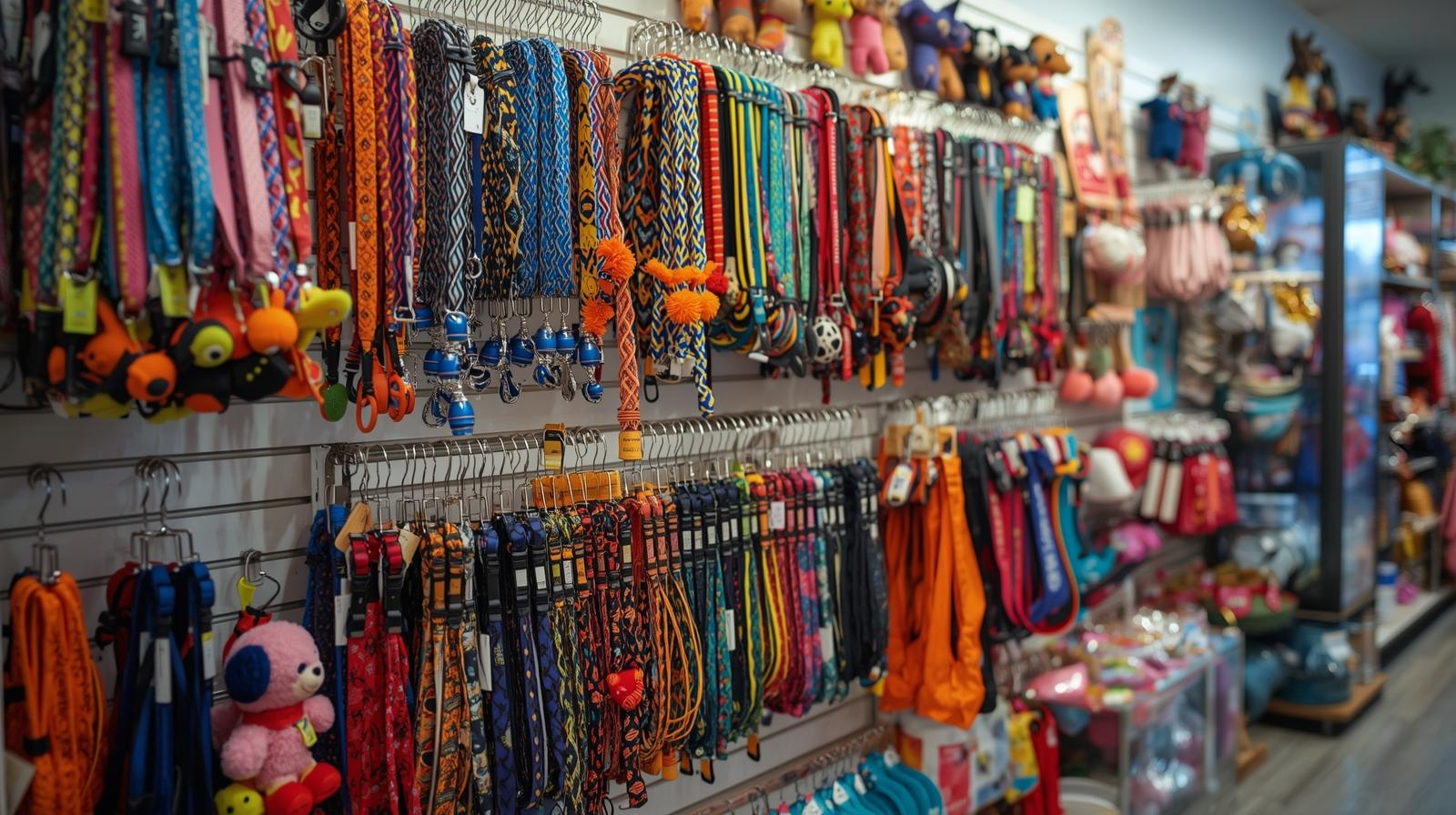
Cheap pet gear fills store aisles and online marketplaces, and it’s often pushed with flashy packaging and “budget-friendly” branding. Although this makes buying easy, the problems usually show up fast. Poor materials, rushed construction, and weak hardware create products that can’t handle normal pet use.
These issues repeat so often that many pet owners feel misled. They expected something functional. Instead, they got a product that failed almost immediately. Although the price tag looks appealing, the lifecycle of cheap gear is incredibly short. Because of this, owners end up replacing items more often, which leads to wasted money, wasted time, and wasted trust.
The Hidden Safety Risks Behind Cheap Pet Gear
One of the biggest reasons people are fed up with cheap pet gear is safety. Many low-cost items are made from materials that don’t hold up under real-world use. As a result, dogs, cats, and other pets face risks they shouldn’t.
Choking Hazards From Fragile Toys
Cheap toys often tear, chip, or snap apart. A dog only needs a few minutes of enthusiastic chewing to turn a poorly made toy into dangerous fragments. Because these pieces are small and hard, pets may choke or swallow them. When a toy is constructed with low-grade stitching or brittle plastic, accidents become far more likely.
Weak Collars and Leashes Cause Escapes
A collar or leash should never fail during a walk, yet cheap versions do. Thin buckles, flimsy connectors, and poor stitching give out easily. When gear snaps, pets can escape into streets, unfamiliar environments, or unsafe areas. Owners are then forced into stressful rescue situations that were entirely preventable.
Toxic Materials in Cheap Pet Gear
Another major concern is toxicity. Many inexpensive products contain:
- PVC
- Lead
- BPA
- Phthalates
- Harsh chemical dyes
Pets lick, chew, and sleep on their gear, so toxic exposure becomes a real problem. Even mild irritation—like itchy skin or upset stomachs—can be traced back to low-quality materials. Over time, repeated exposure builds up in a pet’s body, eventually causing deeper health issues.
Cheap Pet Gear Ends Up Costing More in the Long Run
While low-cost products seem like a money-saver, they almost always end up costing more. Replacement cycles, emergency purchases, and product failures all add up. Because items break quickly, owners need to buy replacements far more often than they expected.
Frequent Replacements Drain Your Budget
Imagine buying a dog bed once. Now imagine buying that same bed every few months because the stuffing collapses or the fabric tears. Cheap pet gear breaks down so quickly that owners find themselves stuck in an endless loop of buying and replacing. At the end of the year, they’ve often spent more than the price of a single durable option.
Inconvenient Returns Waste Time and Energy
Budget pet gear also leads to more returns. Many products arrive damaged, poorly made, or smaller than advertised. Returning items becomes a chore, especially with online purchases. Because of this constant back-and-forth, owners often feel frustrated before their pet even uses the product.
Vet Visits From Unsafe Gear Become Expensive
Nothing highlights the true cost of cheap pet gear like an emergency vet bill. Injuries from splintered toys, broken collars, or toxic materials can require urgent care. A single visit often costs far more than a premium product would have. Cheap gear may be inexpensive upfront, but the risks create unpredictable and costly consequences.
The Emotional Toll of Low-Quality Pet Products
Beyond money and safety, cheap pet gear affects owners emotionally. You buy a toy expecting joy, but instead you get disappointment. Your pet gets excited, only for the toy to fall apart immediately. This creates a cycle of letdowns that slowly erodes trust in the brands you buy.
Ruined Playtime Moments
A toy breaking instantly can turn a fun moment into frustration. Your dog looks confused. You feel annoyed. Playtime becomes interrupted by irritation rather than enjoyment. With quality toys, the experience is consistent and uplifting.
Guilt When Gear Causes Harm
If something breaks and injures a pet, guilt hits hard. Owners often blame themselves for choosing the wrong product—even though they couldn’t have predicted its failure. Still, the emotional impact lingers.
Stress From Unpredictability
Cheap pet gear introduces uncertainty. You never know how long something will last. Instead of feeling confident during walks or play, owners feel tense and cautious.
Why More Pet Owners Are Switching to High-Quality Gear
Thanks to social media and online reviews, the truth about cheap pet gear spreads quickly. Pet owners share their experiences, and patterns become impossible to ignore. As awareness grows, more people are choosing durable, well-made products instead.
Demand for Transparency Is Rising
Modern consumers want to know what materials brands use. They look for clear labeling, sourcing information, and safety testing results. When brands refuse to share details, trust fades. Sustainable and transparent companies stand out because they communicate honestly.
Safer, Eco-Friendly Materials Are Now Affordable
Years ago, eco-friendly and non-toxic pet gear was rare and expensive. Fortunately, that has changed. Many brands now offer:
- Natural rubber toys
- Organic cotton beds
- Hemp collars
- Stainless steel feeders
- Recycled-material leashes
These items cost slightly more upfront, yet they last far longer than cheap alternatives.
Customization and Proper Fit Matter More
Generic, one-size-fits-all gear rarely works well. Pet owners now prefer adjustable, ergonomic, and species-appropriate equipment. Better fit means fewer accidents, fewer escapes, and greater comfort.
Warning Signs of Cheap Pet Gear
Because low-quality products are everywhere, it helps to know how to spot them before buying.
Look for these red flags:
- Strong chemical odor
- Extremely low prices
- Thin, frayed stitching
- Lightweight plastic hardware
- No ingredient or material list
- Vague sizing charts
- No safety labels or testing
If a product looks suspiciously inexpensive, it probably cuts corners in ways you cannot see.
What Pet Owners Are Choosing Instead
Fed up with cheap pet gear, owners now prioritize items that last. They choose brands committed to quality, sustainability, and pet safety.
Stronger Leashes and Collars
Collars made from climbing rope, leather, or reinforced nylon hold up better than synthetic, thin alternatives.
Eco-Friendly, Non-Toxic Toys
Natural rubber, wool, and hemp toys reduce choking risks and last longer. They also avoid chemical exposure.
Supportive, Washable Pet Beds
Well-made beds use memory foam, thick covers, and durable stitching. They hold their shape and support joints.
Safe Feeding Products
Stainless steel and BPA-free silicone bowls replace lightweight, breakable plastics.
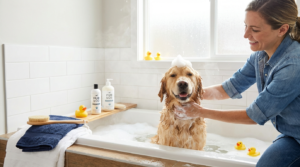
Vet-Approved Grooming Supplies
Clean grooming products reduce skin irritation and improve overall comfort, unlike cheap shampoos or brushes.
How to Avoid Cheap Pet Gear Going Forward
Better decisions start with awareness. When shopping, compare materials, examine hardware, and read independent reviews. Quality items feel sturdy, balanced, and well-constructed. They also come with warranties or satisfaction guarantees—something cheap gear rarely offers.
Choosing high-quality gear doesn’t mean ignoring budget concerns. Plenty of mid-priced items outperform cheap alternatives by a wide margin. The key is choosing well rather than choosing fast.
Conclusion
Pet owners are fed up with cheap pet gear because it breaks easily, puts pets at risk, and ends up costing far more over time. The disappointment, safety concerns, and emotional stress are simply not worth the temporary savings. As awareness grows, more people want products that reflect how much they love their pets—products made with care, durability, and transparency. When you choose well-made gear, you protect your pet’s safety, improve daily routines, and save money in the long run. Cheap pet gear may be everywhere, but that doesn’t mean it deserves space in your home.
FAQ
1. Why does cheap pet gear break so quickly?
It breaks because low-grade materials and poor construction can’t withstand normal pet activity.
2. Is cheap pet gear dangerous?
Yes. It increases choking risks, toxicity exposure, and chances of leash or collar failure.
3. Do high-quality products really last longer?
Absolutely. Durable materials and strong stitching make them far more reliable.
4. How can I tell if a toy is non-toxic?
Look for clear material lists, BPA-free labels, and brands known for safety testing.
5. What should I buy instead of cheap pet gear?
Choose natural rubber toys, strong collars, stainless steel bowls, washable beds, and vet-approved grooming tools.