
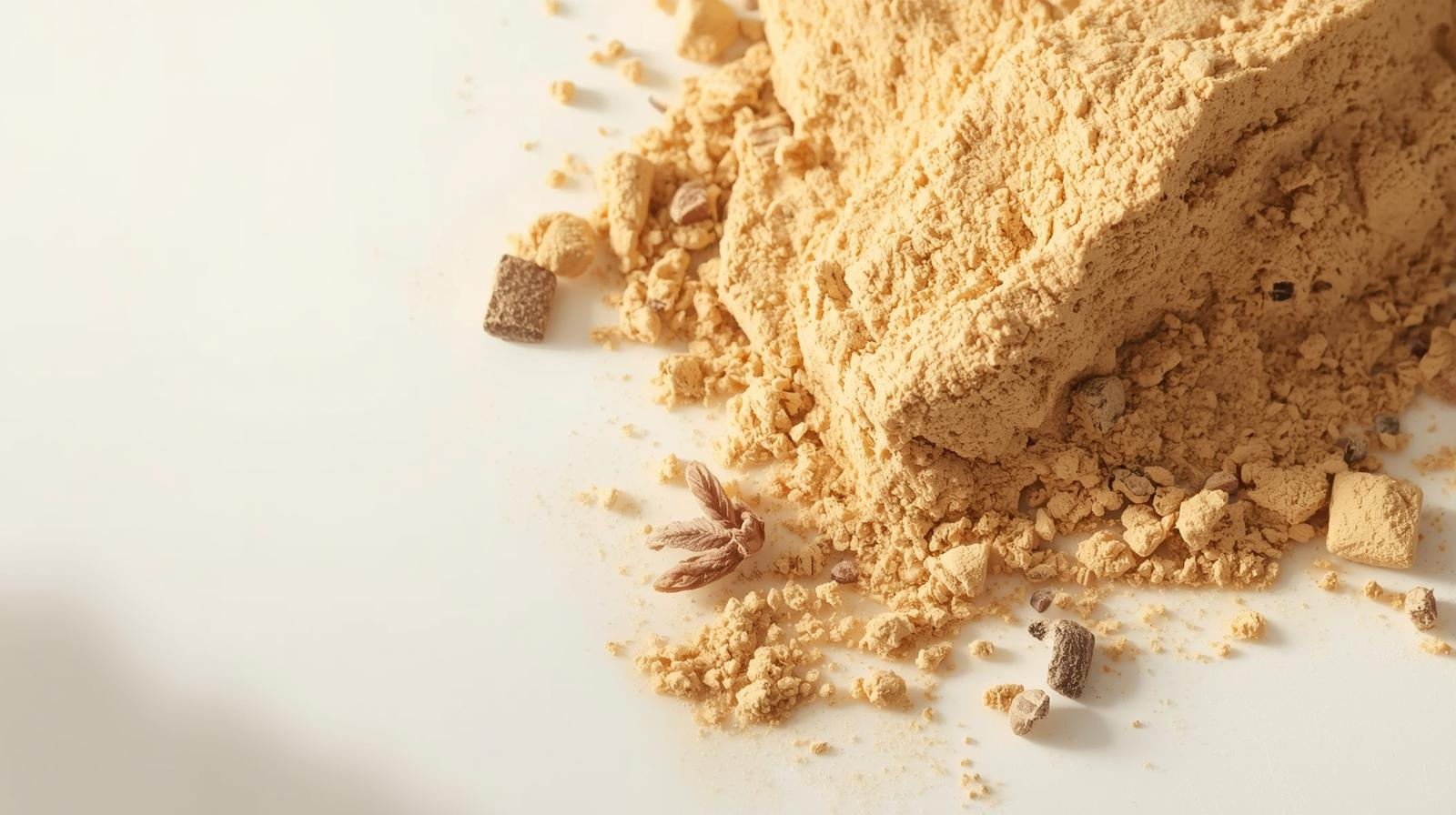

As pet parents, we all want to give our pets nutritious meals while also making choices that align with our environmental values. Yet traditional pet food production often relies on resource-heavy meats, synthetic additives, and agricultural practices that strain the planet. That’s where sustainable pet food brands come in. These companies use eco-friendly proteins to nourish pets while reducing the environmental footprint of what goes into their bowls.
Choosing sustainable pet food brands is no longer a niche interest—it’s becoming a meaningful shift in how we care for our animals. Because eco-friendly proteins use fewer natural resources and generate lower emissions, they offer long-term benefits for pets, humans, and ecosystems. As you explore new feeding options, you’ll discover that sustainability and nutrition can work together beautifully. Many of today’s most innovative pet food companies are proving that high-quality meals can be both planet-friendly and delicious for your pet.
Why Sustainable Pet Food Brands Matter More Than Ever
Feeding pets responsibly has become a growing priority as we learn more about environmental strain caused by traditional meat production. The global pet food industry consumes vast amounts of meat annually, contributing to deforestation, water depletion, and greenhouse gas emissions. When sustainable pet food brands use eco-friendly proteins, they help reduce this burden significantly.
For example, insect protein, algae protein, and plant-based alternatives require far less water, land, and feed than conventional livestock. These ingredients support balanced nutrition without overwhelming natural resources. Additionally, sustainable brands often avoid artificial preservatives, antibiotics, and harmful fillers, making the food safer for pets.
With every purchase, you support companies that prioritize ethical sourcing, regenerative farming, and environmentally sound production methods. Choosing sustainable pet food also signals demand for cleaner practices across the entire pet industry.
What Makes Sustainable Pet Food Brands Truly Sustainable?
Not all companies that advertise “natural” or “eco-friendly” ingredients meet true sustainability standards. To identify authentic sustainable pet food brands, you need to look for transparency, trust, and certifications.
Some of the qualities that define sustainable brands include:
- Proteins that require minimal land, water, or energy
- Ethically sourced animal or plant ingredients
- Carbon-neutral or low-emission manufacturing
- Recyclable, compostable, or reduced-plastic packaging
- Avoidance of artificial preservatives and chemical additives
- Transparent supply chains
- Partnerships supporting biodiversity and animal welfare
True sustainability starts at the ingredient level and continues through production, packaging, and distribution. Brands that embrace this full lifecycle approach offer the most responsible choices for eco-conscious pet parents.
Eco-Friendly Proteins Used by Sustainable Pet Food Brands
Sustainable pet food brands use several types of eco-friendly proteins that provide excellent nutrition without the environmental strain of conventional meat. These proteins are nutrient-rich, highly digestible, and surprisingly versatile.
Insect Protein: A High-Value, Low-Impact Option
Insect protein has become a standout choice among sustainable pet food brands. Black soldier fly larvae are particularly popular because they grow quickly, require minimal land, and thrive on leftover food waste. This makes them one of the most resource-efficient protein sources available.
Insect protein offers:
- High digestibility
- Essential amino acids
- Omega fatty acids
- Naturally hypoallergenic benefits
Pets with sensitivities often tolerate insect protein well. Because its environmental impact is dramatically lower than beef, chicken, or fish, many brands rely on insect protein to reduce their carbon footprint.
Plant-Based Proteins for Balanced Nutrition
Pea protein, lentil protein, chickpeas, quinoa, and ancient grains are widely used in sustainable pet food formulations. When combined correctly, plant proteins offer a rich amino acid profile suitable for dogs and some omnivorous pets.
Benefits include:
- Lower land and water usage
- Reduced greenhouse emissions
- High fiber for digestive health
- Stable nutrient density
Plant-based proteins also have fewer allergens, making them beneficial for pets with digestive sensitivities. Sustainable pet food brands often blend plant proteins with natural fats to create well-rounded meals.
Algae Protein: The Future of Pet Nutrition
Another increasingly popular sustainable protein is algae. Because algae grow rapidly with minimal resources, they offer an incredibly clean and renewable source of amino acids, healthy fats, and vitamins.
Algae protein delivers:
- Omega-3 benefits similar to fish
- Superior nutrient absorption
- Low environmental impact
- High antioxidant levels
Algae are considered one of the most eco-friendly proteins in the world. Many experts expect algae to become a central ingredient in future sustainable pet food blends.
Ethically Sourced Fish and Poultry
While insect and plant proteins dominate sustainability discussions, some brands use animal proteins that meet strict ethical sourcing standards. Examples include wild-caught fish from regulated waters and pasture-raised poultry.
These proteins are not as eco-light as insects or plants, yet they remain far more sustainable than factory-farmed alternatives commonly used in commercial pet foods.
Top Benefits of Feeding Your Pet Sustainable Proteins
Choosing meals from sustainable pet food brands not only reduces environmental impact but also offers direct benefits for your pet’s health. Pets often thrive on eco-friendly proteins because they contain clean, minimally processed nutrients.
Benefits include:
- Improved digestion
- Reduced allergic reactions
- Shinier coats and healthier skin
- Stable energy levels
- A lower risk of chemical exposure
- Cleaner ingredient lists
Because sustainable proteins often require fewer preservatives and additives, pets enjoy a more natural diet closer to what their bodies can easily process.
How to Choose the Right Sustainable Pet Food Brands for Your Pet
With so many emerging companies claiming sustainability, knowing what to look for helps you select brands that truly stand behind their mission.
Evaluate the Quality of Proteins Used
Check how the protein is sourced, processed, and labeled. Brands that clearly explain their ingredient origins usually offer higher standards.
Review Certifications and Environmental Credentials
Look for third-party verifications such as:
- USDA Organic
- Marine Stewardship Council (MSC)
- Non-GMO certifications
- Carbon-neutral operations
- Upcycled ingredient certifications
These labels help confirm sustainability claims.
Assess Ingredient Transparency
Sustainable pet food brands list ingredients plainly and avoid ambiguous descriptions. Clarity is a strong indicator of quality.
Consider Your Pet’s Dietary Needs
Some pets respond better to insect protein, while others thrive on plant-based proteins. Always consider your pet’s sensitivities, breed, age, and activity level.
Check Packaging Sustainability
Eco-friendly brands often use biodegradable, compostable, or recyclable bags. Packaging plays a significant role in reducing waste.
How Sustainable Pet Food Brands Reduce Waste and Emissions
Choosing sustainable proteins isn’t the only way eco-friendly brands help the environment. They also incorporate practices that reduce waste throughout production.
Some common sustainability strategies include:
- Using upcycled food ingredients
- Repurposing agricultural byproducts
- Operating on renewable energy
- Sourcing regionally to reduce transportation emissions
- Using minimal packaging materials
- Supporting regenerative agriculture
Every step is designed to minimize environmental damage while ensuring nutritional excellence.
Why Eco-Friendly Pet Food Supports Animal Welfare Too
Sustainability doesn’t stop with the planet. Many sustainable pet food brands also uphold strong animal welfare practices, especially when using animal-derived proteins.
Ethical sourcing ensures:
- Animals live in healthier environments
- Feeding systems rely less on antibiotics
- Farming remains humane and stress-free
- Ecosystems remain balanced
When you choose sustainable brands, you support a cycle of compassion, responsibility, and health.
Transitioning Your Pet to Sustainable Proteins
Switching to sustainable proteins should happen slowly to avoid digestive upset. Start by mixing a small amount of the new product into your pet’s existing food. Gradually increase the proportion over 7–10 days.
Watch for:
- Stool consistency
- Appetite changes
- Energy levels
- Allergic reactions
Most pets adjust easily, especially when the sustainable protein is high-quality and highly digestible.
Popular Sustainable Pet Food Brands to Explore
While the market continues to grow, several brands consistently stand out for innovation, responsibility, and nutritional quality. Many companies base their formulas entirely on eco-friendly proteins, while others blend sustainable proteins with traditional ones.
Common brand categories include:
- Insect-based pet food companies
- Plant-forward pet food blends
- Algae-powered pet nutrition
- Ethical poultry or fish brands
- Carbon-neutral pet food startups
When exploring these brands, compare their certifications, protein sources, packaging, and mission statements to ensure they meet your expectations.
Conclusion
Choosing sustainable pet food brands using eco-friendly proteins is one of the most meaningful ways to support your pet’s health while protecting the planet. These innovative companies are reshaping the pet food landscape with cleaner ingredients, lower emissions, and responsible sourcing. When you choose meals powered by insect protein, plant-based blends, algae, or ethical animal sources, you give your pet nourishment rooted in wellness and environmental stewardship. Sustainable feeding isn’t just a trend—it’s a powerful step toward a healthier future for pets and the Earth they live on.
FAQ
1. Are sustainable proteins as nutritious as traditional meat proteins?
Yes. Many eco-friendly proteins, such as insects and algae, offer complete amino acid profiles and excellent digestibility.
2. Can pets with allergies eat sustainable protein foods?
Often, yes. Insect protein and plant proteins tend to be hypoallergenic and work well for dogs with sensitivities.
3. Are sustainable pet food brands more expensive?
They sometimes cost more due to higher-quality ingredients, but the long-term health and environmental benefits make them worthwhile.
4. Do cats do well on sustainable proteins?
Cats require specific nutrients, but many sustainable brands create formulas tailored for feline nutrition.
5. How do I start transitioning to sustainable pet food?
Mix the new food with the old gradually over a week to help your pet adjust comfortably.