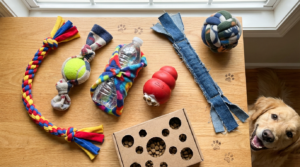


Creating your own pet gear can feel surprisingly rewarding. Instead of buying products that may or may not hold up, you get to design exactly what your dog or cat needs. Whether you’re looking for stronger materials, a perfect fit, or a fun creative project, learning how to make durable DIY pet gear opens the door to endless possibilities. Best of all, these projects often cost less than store-bought gear and last even longer.
Because pets put their accessories through constant wear, durability becomes essential. A leash must withstand pulling, twisting, and daily walks. A collar needs to resist moisture, chewing, and the occasional muddy adventure. A bed should remain supportive and comfortable no matter how many naps your pet takes. When you make durable DIY pet gear, you control the quality, materials, and craftsmanship. That alone is a major upgrade from mass-produced products that may cut corners.
As you explore different do-it-yourself techniques, you’ll discover that creating leashes, collars, and beds doesn’t require advanced skills. Simple tools and sturdy materials can lead to professional-looking results. And since every pet is unique, crafting gear by hand ensures a personalized fit that enhances both comfort and safety.
Why Durable DIY Pet Gear Is a Smart Choice
If you’ve ever purchased a leash only to watch it fray within weeks, you understand the frustration. Many commercial pet products prioritize aesthetics instead of durability. Making durable DIY pet gear gives you full control. Instead of relying on questionable stitching or thin materials, you choose high-quality options built to last.
Crafting your own gear offers additional benefits:
- Better material selection
- Custom sizing to fit your pet
- Cost savings compared to premium products
- An eco-friendly alternative
- Opportunities to repair or upgrade easily
- More safety control for strong pullers
Because you work with each piece directly, you understand exactly how sturdy it is. You can reinforce weak spots, double-stitch seams, or add clips and rings designed for heavy loads. When durability matters, making your own leashes, collars, and beds becomes an empowering solution.
Essential Materials for Durable DIY Pet Gear
Before you begin crafting leashes, collars, or beds, assembling the right materials is key. Durable DIY pet gear relies on strong, dependable components—many of which are easy to find online or in craft stores.
Some of the most reliable materials include:
- Heavy-duty nylon webbing
- Paracord rated at 550 lbs or higher
- Metal D-rings and swivel clips
- Strong plastic or metal buckles
- Upholstery fabric or canvas
- Memory foam, polyfill, or recycled stuffing
- Industrial thread or braided thread
- Reinforced stitching needles
Choosing durable materials ensures your final project holds up under daily use. Always select components that match your pet’s size and strength. For example, larger dogs often require thicker webbing, while smaller pets may thrive with lightweight but sturdy alternatives.
How to Make Durable DIY Leashes That Last
When you create your own leash, you gain the freedom to adjust the length, thickness, comfort, and style. A durable DIY pet gear project like this combines practicality with creativity. Best of all, you customize it for the exact strength your pet needs.
Creating a Nylon Webbing Leash
Nylon webbing is a popular choice because it resists fraying, stretching, and moisture. It’s also easy to sew and comes in many colors and patterns.
To make this type of leash, choose a length that suits your walking habits. Six feet is standard, but you can create shorter or longer options depending on your lifestyle. Attach a heavy-duty swivel clip to prevent twisting, then fold the webbing over the clip and double-stitch for reinforcement. Add a comfortable handle loop at the other end and secure it with multiple rows of stitching.
This style of leash is extremely reliable. With proper stitching, it can last for years before showing signs of wear.
Braiding a Paracord Leash for Extra Strength
Paracord leashes offer impressive durability because the material is designed to hold high weight loads. This makes it ideal for dogs that pull. Additionally, paracord is lightweight, flexible, and easy to clean.
Braiding the cord into a four-strand or eight-strand design creates a tight weave that resists unraveling. Attach a metal clip with a secure knot, then melt the cord ends slightly to prevent fraying. You can add decorative knots or a braided handle to enhance strength and style.
Paracord leashes have become popular among hikers and active dog owners because they don’t stretch and remain comfortable to hold even during long walks.
Adding Comfort Features to Your DIY Leash
For extra comfort, you can wrap the handle with fleece or neoprene. This prevents chafing during extended use and makes handling easier. Adding reflective tape helps improve visibility during nighttime walks, which increases both your safety and your pet’s.
How to Make Durable DIY Collars Designed for Safety and Comfort
A collar remains one of your pet’s most important accessories. It holds identification tags, provides a connection point for a leash, and stays on throughout daily activities. Durable DIY pet gear projects like collars give you the ability to produce something strong, safe, and comfortable.
Creating a Sturdy Nylon Webbing Collar
Nylon webbing collars are dependable and easy to clean. Start by measuring your pet’s neck and adding a few extra inches for adjustability. You’ll need a strong buckle, a metal D-ring, and a tri-glide slide for sizing adjustment.
Feed the webbing through the hardware pieces in the correct order, then secure the ends with reinforced stitching. Because collars experience constant tension, adding double or triple stitching is a smart choice. Many DIY pet owners also melt the webbing ends lightly to prevent fraying.
Making a Braided Paracord Collar
Paracord collars allow for detailed designs and incredible durability. Choose a knotting style like the cobra weave or king cobra weave. These patterns are thick, strong, and comfortable for pets.
Attach a buckle or metal clasp before you begin weaving. As you braid, keep the weave tight and even to prevent weak spots. The finished collar feels lightweight but strong enough for daily use. This type of collar is ideal for dogs who enjoy outdoor adventures or tend to pull on walks.
Using Soft Liners for Extra Comfort
Adding a microfiber or fleece liner prevents rubbing, especially for short-haired dogs. This small addition transforms a simple collar into a comfortable accessory your pet can wear all day.
How to Create Durable DIY Pet Beds That Support Your Pet’s Body
A bed is more than just a place to sleep—it’s a source of comfort, warmth, and security. Making a durable DIY pet bed ensures it lasts through countless naps, washes, and playful digging sessions.
Building a Washable, Long-Lasting Pet Bed
A simple rectangular bed works well for most pets. Choose upholstery fabric, canvas, or denim for the outer cover. These fabrics hold up to repeated washing and resist ripping. For the inner cushion, consider memory foam for joint support or polyfill for softness.
Cut the fabric to size, sew three sides together, insert the filling, then stitch the final side shut. For convenience, add a zipper or Velcro closure, so you can wash the cover separately.
Creating a Raised Bed for Airflow and Durability
Raised beds help prevent dirt buildup and are great for outdoor use. To make one, use PVC or metal pipes to form the frame, then stretch a durable mesh fabric across the top. This design keeps your pet off the ground and allows air to circulate beneath their body.
Raised beds last longer than many traditional stuffed beds and solve problems for pets that overheat or shed heavily.
Repurposing Old Furniture for DIY Bed Projects
You can turn an old drawer, suitcase, or wooden crate into a charming DIY pet bed. These materials already offer structure and stability, making them ideal for durable DIY pet gear. Add a comfortable cushion and soft fabric lining to finish the look. This creative approach also helps reduce waste, offering a unique and eco-friendly solution.
Tips to Ensure Your DIY Pet Gear Stays Durable Over Time
Even the strongest materials wear down eventually. However, practicing proper care can extend the lifespan of your homemade gear significantly.
Here are some helpful tips:
- Wash collars and leashes regularly to remove dirt buildup
- Inspect stitching for loose threads
- Replace hardware showing rust or bending
- Add reinforcement stitches to stress points
- Air-dry fabrics to prevent shrinking
- Store gear away from direct sunlight
Because you crafted the gear yourself, making repairs becomes easier and more affordable. You can swap out broken buckles, replace worn webbing, or upgrade padding whenever needed.
Why Making Durable DIY Pet Gear Strengthens the Bond With Your Pet
When you invest time into making something for your dog or cat, you create more than just an object. You create a connection. Your pet learns to trust the items you built with their comfort in mind. They grow confident wearing a collar that fits perfectly or sleeping on a bed designed just for them.
Additionally, these projects spark creativity and mindfulness. Measuring your pet, selecting materials, and crafting each item encourages you to think more deeply about their needs. That attention ultimately strengthens your bond in subtle yet meaningful ways.
Conclusion
Learning how to make durable DIY pet gear empowers you to create leashes, collars, and beds that outperform many store-bought options. By choosing strong materials, customizing the design, and focusing on safety, you give your pet reliable gear tailored to their lifestyle. These homemade creations offer long-lasting value, comfort, and durability. Whether you’re crafting a simple braided leash or building an entire raised bed, each project reflects your care and creativity. And as your pet enjoys their new gear, you’ll feel proud knowing you made something both practical and personal.
FAQ
1. Are DIY pet leashes strong enough for large dogs?
Yes. When made with paracord or heavy-duty nylon webbing, DIY leashes can handle strong pulling safely.
2. How long does a DIY collar usually last?
With proper stitching and quality materials, a homemade collar can last as long as commercial ones—sometimes even longer.
3. What fabric works best for durable DIY pet beds?
Canvas, upholstery fabric, and denim are excellent choices because they resist tearing and frequent washing.
4. Can beginners make durable DIY pet gear?
Absolutely. Most projects require only simple tools, basic stitching, and patience.
5. How do I clean homemade pet gear safely?
Use mild detergent, avoid bleach, and air-dry whenever possible to prevent damage.