
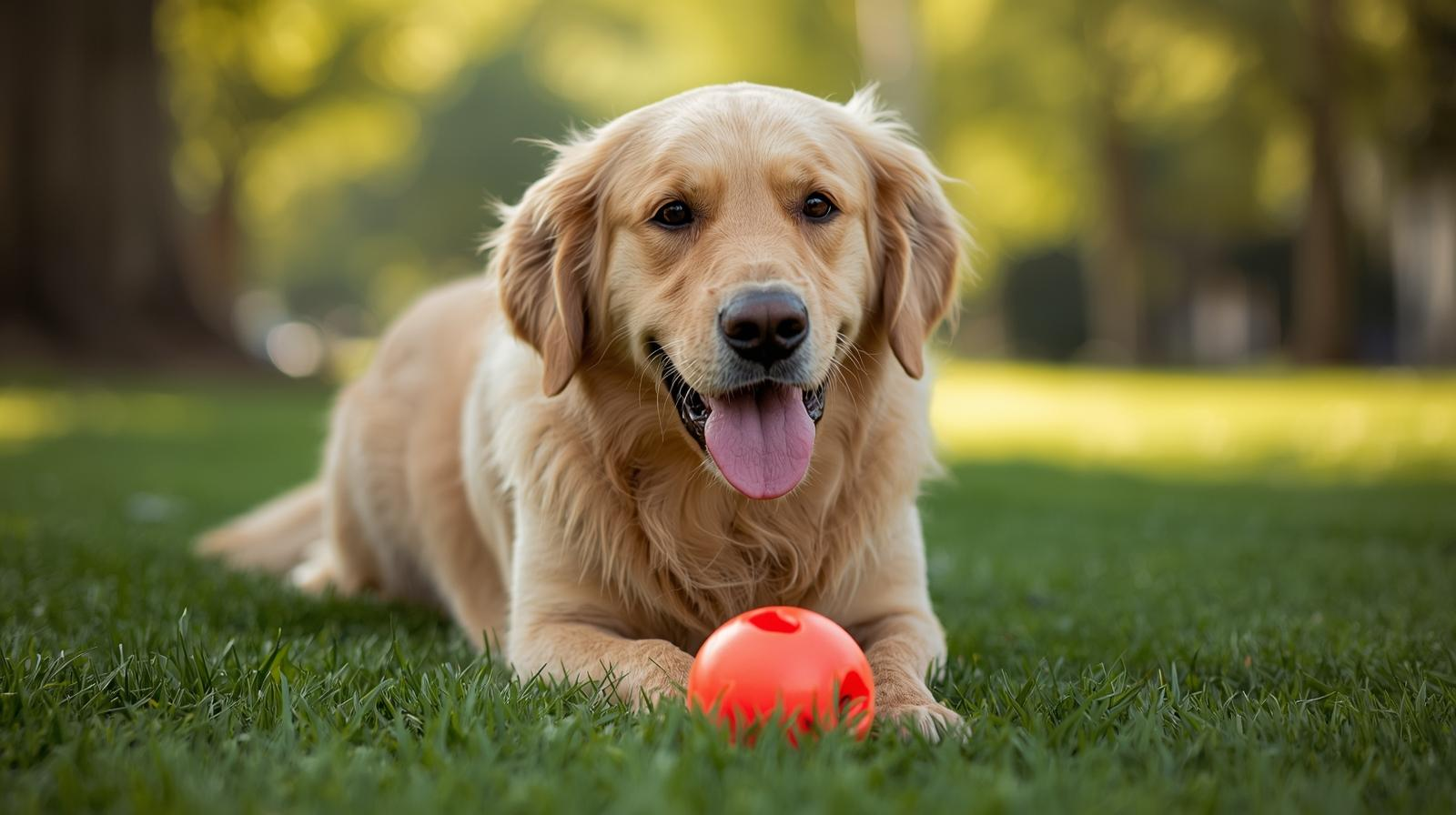

If your dog loves to chew, tug, and toss toys around, you’re not alone. Every pet parent wants to see their furry friend having fun. But here’s something many don’t realize—some of those colorful, squeaky, or rubbery toys might contain harmful chemicals in dog toys that can slowly impact your dog’s health.
Many cheap pet toys are made overseas using unregulated materials filled with toxins. These chemicals can leach out as your dog chews, exposing them to harmful substances over time. Knowing what’s in your dog’s toys—and how to avoid risky ones—can help you protect their health for years to come.
Let’s take a closer look at which chemicals to watch out for, what safe alternatives exist, and how to make smarter toy choices for your pup.
Why Chemical Safety in Dog Toys Matters
You wouldn’t hand a child a toxic toy, so why risk it with your dog? Pets, like children, explore the world with their mouths. That makes them more vulnerable to chemical exposure.
How Chemicals Enter the Pet Product Market
The pet toy industry isn’t as heavily regulated as you might think. Unlike children’s toys, many dog toys don’t have to meet strict safety standards before hitting the shelves.
Manufacturers often use cheap plastics, dyes, and adhesives to keep production costs low. These shortcuts lead to toys containing substances like BPA, lead, and phthalates—compounds known to disrupt hormones or damage organs.
When your dog chews or slobbers on these toys, small particles or chemicals can break down and enter their system. Over time, this exposure can lead to chronic health problems that aren’t immediately visible.
The Impact of Toxic Toys on Your Dog’s Health
Toxins in dog toys can affect more than just your pet’s mouth. They can harm their digestive tract, liver, and kidneys. Some chemicals mimic hormones, throwing off your dog’s endocrine system and leading to issues like reproductive problems or weakened immunity.
Common symptoms linked to chemical exposure include:
- Lethargy or unusual fatigue
- Loss of appetite
- Digestive upset or vomiting
- Skin irritation around the mouth
- Behavioral changes
While one toy might not cause instant harm, long-term exposure adds up—especially for dogs that chew frequently or spend hours gnawing on plastic.
Common Harmful Chemicals Found in Dog Toys
Now that you understand why safety matters, let’s look at some of the most dangerous chemicals in dog toys and what they can do to your pet.
BPA and Phthalates
Bisphenol A (BPA) and phthalates are commonly used to soften plastics. They’re found in everything from chew toys to squeakers and plastic bones.
These chemicals are endocrine disruptors, meaning they interfere with your dog’s hormone balance. Research links them to developmental, reproductive, and behavioral issues. Even low-level exposure can have lasting effects over time.
Lead and Heavy Metals
Lead, cadmium, and arsenic sometimes appear in imported or poorly tested toys. These metals give plastics brighter colors or help pigments stick to materials—but they’re toxic, even in tiny amounts.
Dogs exposed to lead may show symptoms such as lethargy, vomiting, or neurological issues. Because lead builds up in the body, it poses an ongoing risk when toys are used repeatedly.
PVC and Other Plasticizers
PVC (polyvinyl chloride) is a type of plastic often used in cheap squeaky toys or vinyl bones. While flexible, it releases dangerous compounds called dioxins during production and use.
Many PVC toys also contain phthalates to make them softer, doubling the danger. When your dog chews on these toys, they can ingest small bits that harm the liver and kidneys over time.
Synthetic Dyes and Artificial Fragrances
Brightly colored or strongly scented toys often rely on synthetic dyes and artificial fragrances. These can trigger allergic reactions or sensitivities, especially in dogs with skin issues.
Natural rubber or cotton toys might not be as flashy, but they’re far safer for long-term play.
How to Identify Safe and Non-Toxic Dog Toys
So how do you make sure your dog’s next toy won’t harm them? It starts with reading labels, asking questions, and understanding what certifications mean.
Read Labels and Look for Certifications
When shopping for toys, look for certifications such as:
- OEKO-TEX®: Ensures textiles are free from harmful substances.
- USDA Certified Organic: Guarantees natural, pesticide-free materials.
- Non-toxic or BPA-free labels: Indicates safer plastics or natural materials.
Also, check where the toy was made. Brands that manufacture in countries with stricter safety standards, like the U.S. or the EU, usually follow better chemical regulations.
Choose Natural and Organic Materials
Natural materials are safer and more eco-friendly. Organic cotton, hemp, wool, and natural rubber are excellent choices.
Avoid toys with strong chemical smells, shiny finishes, or bright artificial colors. These are often red flags for chemical coatings or additives.
If the label doesn’t list materials clearly, skip it—transparency is key when it comes to pet safety.
Safe Dog Toy Materials to Look For
Not all chewable materials are risky. Some are both durable and naturally safe for pets. Let’s explore a few of the best options for eco-conscious and safety-minded dog owners.
Natural Rubber and Hemp
Natural rubber is one of the best materials for chew toys. It’s tough, flexible, and completely biodegradable. Brands like KONG and West Paw use non-toxic natural rubber that can withstand strong jaws.
Hemp toys are another great option. Hemp fibers are naturally antimicrobial, durable, and safe if ingested in small amounts. They’re also biodegradable, making them environmentally friendly.
Organic Cotton and Bamboo Fiber
Soft toys made from organic cotton or bamboo are gentle on your dog’s teeth and gums. They’re perfect for cuddling or light play.
Bamboo is particularly eco-friendly since it grows quickly without pesticides or fertilizers. These fibers are strong yet soft, ideal for dogs with sensitive mouths.
Recycled and Eco-Friendly Alternatives
Some sustainable brands create toys from recycled fabrics or upcycled materials. For instance, West Paw’s Zogoflex line uses recycled rubber that’s safe, durable, and fully recyclable.
These options not only protect your pet but also reduce plastic waste—making them a win-win for pet owners and the planet.
Tips for Replacing Toxic Dog Toys at Home
Switching to safer options doesn’t mean tossing every toy right away. The goal is to replace them thoughtfully and make the transition easy for your pet.
Rotate Toys and Observe Wear
Start by checking your dog’s current toys for signs of wear or chemical odor. If a toy looks degraded, frayed, or smells like plastic, it’s time to retire it.
Rotating toys helps keep your dog engaged while preventing overuse of one item, which can lead to quicker deterioration.
Transition Gradually to Safer Options
Dogs can form attachments to specific toys. To avoid confusion, replace old ones slowly by introducing new organic or natural toys during playtime.
Reward your pet for engaging with their new toy. Over time, they’ll naturally prefer the safer, more natural textures.
You can also clean existing safe toys with vinegar and water to keep them fresh and bacteria-free.
Conclusion
Protecting your furry friend from harmful chemicals in dog toys doesn’t have to be complicated. By choosing certified, non-toxic, and organic materials, you can ensure playtime remains both fun and safe.
Avoid toys that smell strongly of chemicals, list vague materials, or come from unregulated sources. Instead, invest in trusted brands that value pet health and sustainability.
Your dog deserves toys that bring joy—not hidden risks. A little awareness goes a long way toward keeping their tail wagging and their body healthy.
FAQ
1. What are the most common harmful chemicals in dog toys?
The most common are BPA, phthalates, lead, PVC, and artificial dyes or fragrances.
2. How can I tell if a dog toy is toxic?
Avoid toys with chemical odors, unclear labeling, or extremely bright synthetic colors. Look for certifications like BPA-free or USDA Organic.
3. Are natural rubber toys safe for dogs?
Yes. Natural rubber is durable, non-toxic, and biodegradable—perfect for heavy chewers.
4. Can dogs get sick from chewing toxic toys?
Yes. Prolonged exposure can lead to digestive, liver, or hormonal problems, even if symptoms appear gradually.
5. What’s the best way to find safe dog toys?
Choose brands that are transparent about ingredients, have third-party certifications, and use natural or organic materials.