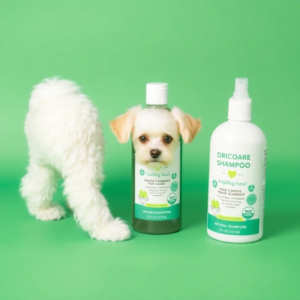


Every dog owner loves that fresh, clean scent after grooming. Whether it’s a quick spritz between baths or a finishing touch after brushing, grooming sprays seem like an easy way to keep your pup smelling great. But here’s the hidden truth: many commercial sprays can actually do more harm than good.
While they promise softness and shine, certain ingredients in these products can irritate your dog’s skin, causing redness, dryness, and even allergic reactions. Understanding how grooming sprays cause skin irritation is essential for keeping your furry friend healthy and comfortable.
Let’s explore what makes these sprays risky, how to spot the warning signs, and what safe alternatives you can use instead.
Why Grooming Sprays Are So Popular
It’s easy to see why dog owners reach for grooming sprays. They make coats smoother, reduce tangles, and eliminate odors. However, what seems convenient may come at a hidden cost.
The Appeal of Convenience and Fragrance
Between busy schedules and muddy walks, a grooming spray feels like magic in a bottle. Just a few spritzes, and your dog smells fresh again. Many pet owners also use sprays to maintain coat softness or to help with brushing.
But these fragrances and “conditioning” effects are often made possible by synthetic chemicals. Over time, they can disrupt the natural balance of your dog’s skin.
What Pet Owners Often Overlook
Dogs aren’t like humans—their skin is thinner, more sensitive, and lacks protective oils that help resist irritation. What feels pleasant to us can be overwhelming or even painful to them.
Unfortunately, labels like “gentle” or “veterinarian-approved” don’t always mean safe. Without strict regulation in pet care products, companies can use harsh ingredients under mild-sounding names.
How Grooming Sprays May Cause Skin Irritation
Most grooming sprays are designed to condition fur and neutralize odor. However, the same ingredients that make them smell and feel good can be harmful to dogs.
Chemical Ingredients That Trigger Allergies
Common culprits in grooming sprays include:
- Sodium Lauryl Sulfate (SLS): A detergent that strips natural oils and dries the skin.
- Propylene Glycol: Can penetrate the skin and cause irritation or itching.
- Preservatives like parabens and formaldehyde releasers: Linked to allergic reactions.
These chemicals may cause the skin’s natural barrier to break down, making it more susceptible to infection.
The Role of Artificial Fragrances and Alcohol
That “fresh” scent often comes from artificial perfumes containing phthalates—chemicals known to disrupt hormones and trigger allergic responses.
Alcohol, another common ingredient, helps sprays dry quickly but can strip moisture from the skin. Repeated use leads to flakiness, itching, and discomfort.
Reactions Vary by Breed and Skin Type
Some dogs are more sensitive than others. Breeds with thinner skin or short coats—like Boxers or Dalmatians—tend to react faster. Meanwhile, dogs with allergies or preexisting skin issues may experience intensified symptoms even from mild formulas.
If your dog licks or chews at a freshly sprayed area, it’s a red flag. The product might be irritating their skin or causing an internal reaction when ingested.
Signs Your Dog Is Having a Reaction
Even a small amount of grooming spray can trigger noticeable changes. Paying attention early can prevent more serious problems.
Common Symptoms of Skin Irritation
Watch for these warning signs after using a grooming spray:
- Redness or rash around the neck, back, or belly
- Excessive scratching, licking, or biting
- Dry, flaky skin or dandruff
- Hair loss in specific areas
- Unusual odor from the skin or fur
Some dogs also develop watery eyes, sneezing, or coughing if they inhale strong chemical scents.
When to See a Veterinarian
If symptoms persist for more than a few days—or worsen—consult a vet. They can rule out other causes like fleas, allergies, or infections. Bring the grooming spray bottle with you so your vet can check the ingredient list.
Early intervention is key. Ignoring irritation may lead to secondary infections, scabbing, or chronic dermatitis.
Hidden Dangers of Synthetic Grooming Products
While the immediate effects of irritation are obvious, long-term use of harsh sprays can have deeper consequences.
Long-Term Effects on Skin Health
Continuous exposure to synthetic chemicals can damage your dog’s microbiome—the natural layer of good bacteria that protects the skin. Once this balance is disturbed, the skin becomes prone to dryness, inflammation, and recurring allergies.
Over time, this can make your dog’s coat dull and brittle, while the skin remains red or inflamed. Some ingredients even seep into the bloodstream, potentially affecting internal health.
The Environmental Impact of Chemical Formulas
It’s not just your dog at risk. When you wash off these products, their residues flow into waterways, harming aquatic life. Many grooming sprays come in single-use plastic bottles that add to landfill waste.
By switching to safer, natural products, you protect not just your dog but the environment, too.
Natural and Safe Alternatives to Conventional Sprays
Thankfully, there are safe, eco-friendly ways to keep your dog’s coat clean, shiny, and fresh—without risking skin irritation.
Choosing Hypoallergenic and Organic Sprays
Look for hypoallergenic grooming sprays that use ingredients like aloe vera, coconut oil, chamomile, or oatmeal. These natural moisturizers soothe the skin and reduce inflammation.
Avoid products with artificial fragrances, dyes, or alcohol. Instead, opt for essential oil-based scents like lavender or eucalyptus—but use them sparingly, as some oils can still irritate dogs in high concentrations.
Brands that clearly label their formulas as non-toxic and vet-tested are usually safer choices.
DIY Grooming Sprays Using Simple Ingredients
You can easily make your own safe, homemade grooming spray using items from your kitchen:
Simple DIY Recipe:
- 1 cup of distilled water
- 1 teaspoon of organic coconut oil
- 2 tablespoons of apple cider vinegar
- A few drops of lavender or chamomile oil (optional)
Shake before each use and spray lightly on your dog’s coat. This mixture naturally conditions fur, neutralizes odor, and helps repel fleas—all without chemicals.
How to Protect Your Dog’s Skin from Future Irritation
Prevention is always better than cure. A few mindful grooming habits can go a long way toward protecting your dog’s skin.
Regular Grooming Habits That Support Skin Health
- Brush frequently: Regular brushing distributes natural oils evenly.
- Bathe wisely: Use a mild, sulfate-free shampoo once every 3–4 weeks.
- Hydrate: Ensure your dog drinks enough water to maintain skin moisture.
- Feed a balanced diet: Omega-3 fatty acids from fish oil can improve skin elasticity and coat shine.
When you care for your dog’s skin from the inside out, you’ll notice fewer irritations and a healthier overall glow.
Testing New Products Safely
Before using any new spray or shampoo, perform a patch test. Spray a small area on your dog’s belly or behind the ear and wait 24 hours. If there’s no redness or itching, it’s likely safe for wider use.
Always read the label thoroughly—even natural products can contain ingredients your dog might react to.
Conclusion
Grooming should make your dog feel pampered, not uncomfortable. Unfortunately, many commercial grooming sprays contain hidden chemicals that can lead to skin irritation, allergies, and long-term health issues.
By switching to natural, skin-safe grooming products, you protect your dog’s comfort, reduce environmental waste, and create a healthier grooming routine. Remember, what goes on your dog’s coat eventually goes into their body—so choose wisely, read labels carefully, and always put your pet’s well-being first.
Your furry friend deserves a grooming routine that’s as gentle as the love you give them every day.
FAQ
1. Can grooming sprays really cause skin irritation in dogs?
Yes. Many contain alcohol, fragrances, and preservatives that dry or inflame your dog’s skin.
2. What’s the safest type of grooming spray to use?
Choose natural or organic sprays with ingredients like aloe, oatmeal, and coconut oil.
3. Are essential oils safe for dogs in grooming products?
Some are, but only in small amounts. Avoid strong oils like tea tree or peppermint unless vet-approved.
4. What should I do if my dog reacts to a grooming spray?
Rinse the area with water, stop using the product immediately, and contact your veterinarian.
5. How often should I use grooming sprays on my dog?
Limit use to once or twice a week, or as needed. Overuse can dry out the skin even with gentle formulas.