

When it comes to our pets, we assume the products on store shelves are safe. After all, if something is made for dogs, it must be tested and approved—right? Unfortunately, that’s not always the case. Many popular dog toys contain toxic materials that can put your furry friend’s health at risk.
From harmful plastics to hidden chemicals, toxic dog toys can cause everything from mild irritation to life-threatening illness. This article explores what makes certain toys dangerous, how to identify them, and how to choose safer, non-toxic options that protect both your pet and the planet.
Why the Safety of Dog Toys Matters
Dogs chew, lick, and bite their toys daily. That means they’re constantly exposed to whatever materials those toys are made of. If a toy contains harmful chemicals, your pet can ingest or absorb them through their mouth, gums, or skin.
How Toxic Chemicals Sneak Into Dog Toys
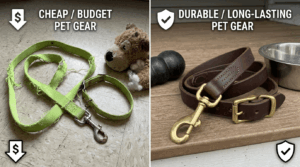
Cheaply made toys often contain synthetic materials, dyes, and adhesives. Manufacturers use plasticizers to make rubber more flexible and dyes to make toys brightly colored. These additives may seem harmless but often contain dangerous compounds.
Some toys are even made from recycled plastics not meant for pet use. Others come coated in chemical scents or flavors to make them more appealing to dogs, but these substances can irritate their mouths or digestive systems.
The Lack of Regulation in Pet Product Manufacturing
Here’s the alarming truth: pet toys are largely unregulated. In most countries, including the U.S., pet products aren’t held to the same safety standards as children’s toys. This means manufacturers can use cheaper, lower-quality materials without disclosing what’s inside.
As a result, many imported toys contain dangerous chemicals banned in human products. Without transparency or testing, pet owners are left in the dark—often unaware of the risks until it’s too late.
Common Toxic Substances Found in Dog Toys
Many of the same chemicals that health experts warn us to avoid in human products are also present in pet toys. Understanding what to look for can help you protect your dog from unnecessary harm.
BPA and Phthalates
BPA (Bisphenol A) and phthalates are used to make plastics flexible and durable. These chemicals act as endocrine disruptors, meaning they can interfere with hormones. Studies have shown that exposure to these substances may lead to reproductive problems, developmental issues, and even behavioral changes in animals.
Dogs that chew or lick plastic toys for long periods are at greater risk of absorbing these toxins into their systems.
Lead, Arsenic, and Heavy Metals
Heavy metals like lead, arsenic, and cadmium are sometimes found in paint, dyes, or rubber materials. These can accumulate in your dog’s body over time, causing neurological damage, liver stress, or weakened immunity.
Lead, in particular, is dangerous in even trace amounts and has been linked to cognitive impairment and behavioral issues.
PVC and Synthetic Dyes
Polyvinyl chloride (PVC) is one of the worst offenders. It’s cheap and common in squeaky toys, yet it contains chlorine-based chemicals that can release toxic fumes when chewed or degraded.
Brightly colored toys may also contain synthetic dyes, some of which are carcinogenic or cause allergic reactions.
Health Risks of Toxic Dog Toys
Just like humans, dogs’ bodies react to toxins in various ways. Some symptoms are immediate, while others develop slowly over time.
Allergic Reactions and Skin Irritations
Many pets experience redness, itching, or rashes after contact with chemical-laden toys. If your dog chews or carries a toy often, these irritations can worsen, leading to open sores or infections.
Symptoms to watch for include excessive scratching, drooling, or redness around the muzzle and paws.
Internal Organ Damage and Hormonal Disruption
When toxins like BPA or phthalates enter your dog’s bloodstream, they can affect vital organs such as the liver, kidneys, and thyroid. Long-term exposure can disrupt hormone balance, slow metabolism, and weaken the immune system.
This often manifests as fatigue, sudden weight changes, or loss of appetite.
Long-Term Cancer Risks
Perhaps the most alarming concern is the link between chemical exposure and cancer. Some dyes and plastics used in cheap toys release carcinogens over time. Prolonged exposure, especially for dogs that chew aggressively, can significantly increase cancer risk.
How to Identify Safe, Non-Toxic Dog Toys
The good news? You can protect your pup by learning how to spot and avoid unsafe products.
Look for Certified, Natural Materials
Always choose toys made from natural rubber, organic cotton, jute, or hemp. These materials are biodegradable, non-toxic, and safe for chewing.
Look for certifications like:
- OEKO-TEX® (safe textiles)
- GOTS (organic fabric certification)
- Certified Non-Toxic or Phthalate-Free labeling
If the product description doesn’t specify material safety, it’s best to skip it.
Avoid Certain Countries of Origin
Toys made in countries with lax manufacturing regulations—especially where safety testing isn’t enforced—often contain higher toxin levels. Products made in the USA, Canada, or the EU generally meet stricter standards.
Always research the brand before purchasing.
Read Labels and Research Brands
Transparency is key. Reputable brands openly list materials and manufacturing practices. If a company hides behind vague claims like “all-natural” or “eco-safe” without certifications, proceed with caution.
The Best Non-Toxic Dog Toy Alternatives
If you want toys that are safe, durable, and eco-friendly, several brands are leading the way in pet-safe innovation.
Natural Rubber and Organic Cotton
Toys made from natural rubber—such as those from brands like KONG’s Eco line or West Paw’s Zogoflex—offer durability without harmful additives. Organic cotton ropes or plush toys are another great option for gentle chewers.
These materials are safe, biodegradable, and long-lasting.
Recycled or Sustainable Options
Some brands now use recycled ocean plastics or reclaimed rubber to create pet-safe toys while reducing environmental waste. These are excellent for eco-conscious dog owners who want to protect both their pets and the planet.
Top Recommended Safe Brands
Here are a few brands known for making non-toxic dog toys:
- West Paw – Certified B Corp using safe, recyclable materials.
- Planet Dog – Uses Orbee-Tuff, a BPA- and phthalate-free compound.
- Beco Pets – Eco-friendly toys made from rice husk rubber.
- KONG – Offers non-toxic, natural rubber options.
- Earth Rated – Focuses on eco-safe, pet-tested products.
These companies prioritize sustainability and pet safety without sacrificing fun or durability.
How to Transition Your Dog to Safer Toys
If your pet has a collection of old plastic toys, don’t worry—you can switch gradually. Start by removing damaged or unmarked toys first, as they pose the highest risk.
Introduce new eco-friendly options slowly. Most dogs will adjust easily, especially if you pick toys with familiar shapes or textures. You can even apply a touch of natural peanut butter to make the transition more enticing.
Dispose of old toys responsibly—many can be recycled through special pet product recycling programs.
Conclusion
The truth about toxic dog toys is alarming but empowering. Once you know the risks, you can make better, safer choices for your four-legged friend. Dogs trust us to keep them healthy, and that includes what they play with every day.
By choosing non-toxic, sustainable toys made from natural materials, you protect your pet’s health and the environment. It’s a small change with big benefits—because peace of mind should come standard with playtime.
FAQ
1. How do I know if my dog’s toy is toxic?
Check for strong chemical smells, bright synthetic colors, or missing material details. These are red flags for unsafe toys.
2. What materials are safest for dog toys?
Natural rubber, organic cotton, hemp, and untreated wood are safe, non-toxic options for dogs.
3. Can my dog get sick from chewing plastic toys?
Yes. Ingesting toxic plastic can cause vomiting, diarrhea, and long-term organ damage. Always choose safe alternatives.
4. Are expensive dog toys safer than cheap ones?
Not always, but higher-quality brands often invest in safety testing and better materials. Check certifications before buying.
5. How often should I replace my dog’s toys?
Inspect toys weekly. Replace them if they’re torn, frayed, or losing pieces to prevent accidental ingestion.