
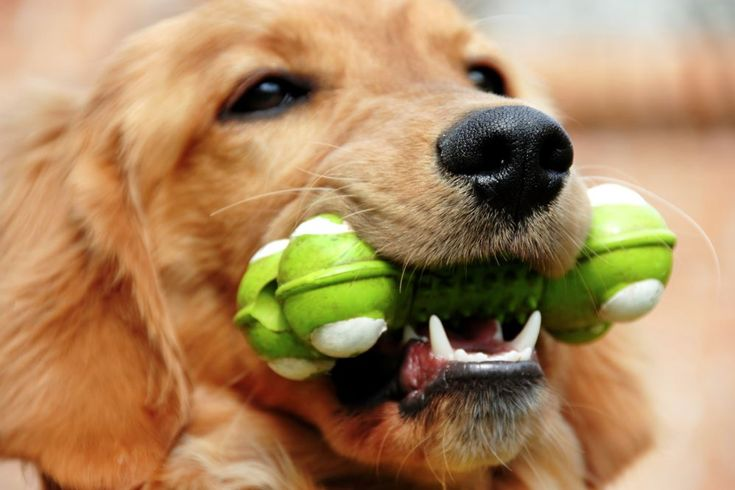

Every dog loves a good chew toy. It’s how they soothe teething pain, relieve boredom, and satisfy their natural instincts. But as a pet parent, have you ever stopped to wonder—are plastic dog toys safe for your pup to chew on?
They may seem harmless, but not all plastic toys are created equal. Some contain hidden dangers that could impact your dog’s health in ways you might not expect. Let’s dig deeper into what makes plastic toys both popular and potentially problematic—and how you can make safer choices for your furry friend.
The Popularity of Plastic Dog Toys
Walk into any pet store, and you’ll find rows of colorful plastic toys in every shape imaginable—bones, balls, squeakers, and rings. Plastic dominates the market because it’s cheap, durable, and easy to clean. But convenience can sometimes come at a cost.
Why Pet Owners Love Plastic Toys
There’s no denying the appeal of plastic toys. They’re affordable, come in fun designs, and can withstand rough chewing—at least for a while. Many are designed to squeak, bounce, or float, making them entertaining for dogs of all sizes.
For busy pet parents, plastic toys are a go-to solution. You can toss one in the dishwasher, throw it in the backyard, or pack it for a trip without worrying about damage.
The Convenience Factor vs. Safety
However, that same convenience can hide some serious risks. Unlike food products, pet toys are not tightly regulated. Manufacturers aren’t required to list materials or chemicals used in production, which means you might not know what your dog is chewing on.
When cheap plastics mix with drool, sunlight, and wear over time, they can break down and release harmful substances. So while plastic toys seem practical, they may not always be the healthiest option.
The Hidden Dangers of Plastic Dog Toys
At first glance, a plastic chew toy looks harmless—but inside its structure could be a chemical cocktail that poses real threats to your dog’s well-being.
Toxic Chemicals Lurking in Plastic
Many plastic toys contain BPA (bisphenol A), phthalates, and PVC—the same chemicals that health experts warn against in children’s toys and food containers. These substances can leach out when your dog chews, especially as the toy ages or gets damaged.
- BPA is an endocrine disruptor that can interfere with hormone function.
- Phthalates make plastic flexible but are linked to liver and kidney damage.
- PVC often contains chlorine, which releases toxins when chewed or exposed to heat.
Because there are no strict safety standards for dog toys, many imported or low-cost products skip quality testing altogether. Your dog might be gnawing on something that’s anything but safe.
Choking Hazards and Digestive Risks
Even if a toy is labeled “non-toxic,” physical dangers still exist. Plastic can splinter or break into small pieces, especially with heavy chewers. Those fragments can cause choking, blockages, or internal injuries if swallowed.
Ingested plastic can also irritate the digestive system, leading to vomiting, loss of appetite, or worse—an emergency vet visit.
How Plastic Toys Affect Your Dog’s Health
Chewing is natural, but what your dog chews on matters. Plastic toys may have effects that go far beyond the mouth.
Short-Term Reactions: Irritation and Upset Stomachs
Dogs that chew on poor-quality plastic toys can experience mouth irritation, gum inflammation, and minor bleeding. If bits of plastic are swallowed, they can upset the stomach or cause temporary digestive distress.
You might notice symptoms like:
- Drooling
- Coughing
- Loss of interest in eating
- Lethargy or discomfort after playtime
If you spot these signs, it’s best to remove the toy immediately and consult your vet.
Long-Term Effects of Chemical Exposure
Over time, exposure to toxins like BPA or phthalates can build up in your dog’s system. While research on pets is still limited, studies in humans and lab animals show that these chemicals can:
- Disrupt hormones and reproduction
- Affect liver and kidney function
- Weaken immune systems
- Contribute to behavioral changes
Even trace amounts can be harmful with repeated exposure—especially in puppies, seniors, or dogs with pre-existing health issues.
How to Tell If a Plastic Dog Toy Is Safe
Not all plastic toys are dangerous, but it takes a bit of detective work to find safe ones.
Look for Certifications and Non-Toxic Labels
When shopping, look for key phrases like “BPA-free,” “phthalate-free,” or “FDA-approved materials.” Some responsible brands test their toys to meet children’s toy safety standards (ASTM F963) or European EN71 standards.
These certifications mean the toy has been evaluated for toxic substances and structural safety. Transparent labeling is always a good sign that the manufacturer cares about quality.
Avoid Cheap or Unlabeled Imports
Many inexpensive plastic toys sold online or in discount bins come from unregulated factories with no oversight. If a toy has no brand name, country of origin, or ingredient list—skip it.
Stick to reputable brands known for pet-safe manufacturing. While you may pay a bit more, it’s a small price for your dog’s safety.
Safer Alternatives to Plastic Dog Toys
If you’re ready to ditch plastic for good, the good news is that there are plenty of safer, eco-friendly options your dog will love just as much—if not more.
Natural Rubber and Hemp Toys
Toys made from natural rubber are tough, flexible, and free from synthetic additives. They’re perfect for heavy chewers and can last for months. Hemp rope toys are another excellent option—they’re biodegradable, durable, and naturally antimicrobial.
Organic Cotton and Rope Options
For gentler chewers, organic cotton toys and handmade rope toys provide a fun, toxin-free experience. They’re soft on the mouth, washable, and safe if accidentally ingested in small amounts.
Recycled and Eco-Friendly Brands
Some brands now use recycled materials like ocean plastic or plant-based fibers to create safe, sustainable toys. Companies like West Paw, Beco Pets, and Planet Dog are leading the charge in making durable, non-toxic alternatives that still deliver excitement and durability.
How to Make Playtime Safer for Your Dog
Even the safest toy requires a bit of care and attention. Proper maintenance can make a huge difference in keeping your dog safe and healthy.
Supervise Play and Rotate Toys
Always supervise your dog, especially with new toys. This helps prevent accidental ingestion or over-chewing. Rotating toys keeps things interesting and reduces wear and tear on individual pieces.
If a toy starts cracking, peeling, or losing chunks—retire it. It’s better to replace a toy early than risk a medical emergency later.
Clean and Replace Toys Regularly
Dog toys can harbor bacteria from saliva and outdoor play. Wash them weekly using warm water and mild, pet-safe soap. For rubber or fabric toys, a gentle scrub does the trick. Avoid harsh detergents or bleach.
Inspect toys during cleaning for signs of damage. Most should be replaced every few months depending on use.
Conclusion
So, are plastic dog toys safe for your pup to chew? The honest answer: some are, but many aren’t. Cheap plastics can harbor toxins and pose choking hazards, while quality-tested, BPA-free toys can be safe with proper supervision.
The best solution is to choose wisely—opt for non-toxic, eco-friendly materials and trusted brands. After all, your dog depends on you to make decisions that keep them safe, healthy, and happy.
When in doubt, remember this rule: if you wouldn’t give it to a child, don’t give it to your dog.
FAQ
1. Are all plastic dog toys toxic?
No, but many low-quality ones contain harmful chemicals. Look for BPA-free, phthalate-free, and FDA-approved options.
2. Can dogs get sick from chewing plastic toys?
Yes. Chewing or swallowing broken pieces can cause stomach irritation, choking, or even internal blockages.
3. What’s the safest material for dog toys?
Natural rubber, hemp, organic cotton, and recycled materials are the safest and most durable alternatives.
4. How often should I replace my dog’s toys?
Inspect toys weekly and replace them every few months or as soon as they show signs of damage.
5. How can I tell if a toy is non-toxic?
Check for certifications, brand transparency, and clear labeling. Avoid unlabeled or imported toys without safety information.