
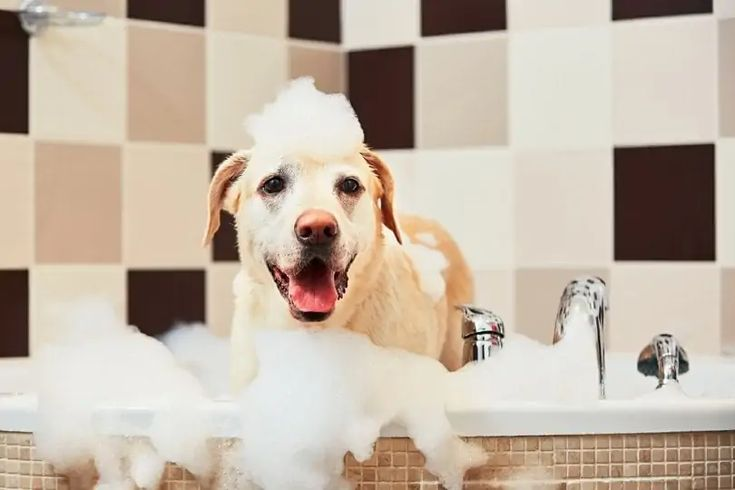

Your pet’s soft fur and sweet scent after a bath might make you think you’re doing everything right—but what if that fresh smell is hiding a toxic truth? Many popular pet shampoos and sprays contain harsh ingredients that can harm your furry friend’s skin, coat, and even internal health. The harsh chemicals in pet shampoos aren’t always easy to spot, but understanding them is crucial for every responsible pet owner.
Let’s explore what these chemicals are, why they’re so dangerous, and how you can keep your pet clean and healthy—naturally.
Why Chemical Safety in Pet Grooming Products Matters
Our pets rely on us to keep them safe, but their bodies aren’t built to handle the same products we use. Even a small exposure to the wrong ingredients can cause lasting harm.
The Delicate Nature of Pet Skin
A dog or cat’s skin is thinner and more sensitive than human skin. While our skin has multiple layers and a higher pH level, pets’ skin is more fragile and easily stripped of natural oils. Using shampoos with harsh detergents or synthetic fragrances can disrupt this delicate balance, leading to dryness, irritation, and even infections.
Pets also groom themselves by licking, meaning whatever goes on their skin often ends up in their stomach. That makes ingredient safety even more important.
How Chemicals Sneak Into Everyday Pet Products
Many commercial grooming products are designed to be cheap, foamy, and long-lasting on store shelves. To achieve this, manufacturers add chemicals for scent, color, and preservation. Unfortunately, these ingredients often come with hidden health risks.
Terms like “fresh scent,” “deep clean,” or even “veterinarian-approved” can sound comforting, but they don’t guarantee safety. In fact, many “pet-safe” labels still contain irritants linked to allergies and chronic diseases.
Common Harsh Chemicals in Pet Shampoos and Sprays
If you’ve ever glanced at a pet shampoo label and felt lost in a sea of unpronounceable words, you’re not alone. Here are the most common toxic culprits to watch out for.
Sulfates and Synthetic Detergents
Sodium Lauryl Sulfate (SLS) and Sodium Laureth Sulfate (SLES) are popular foaming agents found in many pet shampoos. They create that satisfying lather—but at a cost.
These detergents strip away the natural oils that protect your pet’s skin, leaving it dry and prone to irritation. Over time, they can cause itchiness, dandruff, and even open sores from excessive scratching.
Parabens, Preservatives, and Artificial Fragrances
Parabens are chemical preservatives that prevent mold growth in liquid products. While that may sound beneficial, they can mimic estrogen in the body and disrupt hormones. This hormonal imbalance can lead to fertility issues, immune dysfunction, and, in extreme cases, certain cancers.
Artificial fragrances are another hidden hazard. They often contain phthalates—a chemical group used to make scents last longer. Phthalates are known endocrine disruptors and can harm both pets and humans over time.
Alcohols and Formaldehyde Releasers
Some pet sprays and shampoos use alcohols as drying agents, which can cause flaky, irritated skin. Even worse, certain preservatives—like DMDM Hydantoin and Quaternium-15—release formaldehyde, a known carcinogen.
Your pet’s nose is thousands of times more sensitive than yours, so these chemicals can also irritate their respiratory system with every bath or grooming session.
The Hidden Dangers of Harsh Chemicals in Pet Shampoos
You might think a small amount of shampoo can’t do much harm, but the effects of repeated exposure add up over time.
Skin Irritation and Allergic Reactions
The most immediate danger from harsh chemicals in pet shampoos is skin irritation. Symptoms include redness, excessive scratching, dry patches, and hot spots. If you notice your pet biting or licking specific areas after a bath, it’s often a sign their skin is reacting to something in the shampoo.
These reactions can lead to secondary infections or chronic skin issues that require veterinary care.
Hormonal Disruptions and Long-Term Health Effects
Parabens and phthalates don’t just affect the skin—they enter the bloodstream. Once inside, they can disrupt your pet’s endocrine system, which regulates hormones and metabolism. Over time, this imbalance may cause developmental issues in young pets and reproductive problems in adults.
Some studies even link prolonged chemical exposure to cancers in pets, especially those frequently groomed with synthetic products.
Respiratory Issues from Chemical Sprays
If you use scented pet sprays or deodorizing mists, you might be harming your pet’s lungs without realizing it. These aerosols often contain volatile organic compounds (VOCs) that can cause coughing, sneezing, or labored breathing.
Pets with pre-existing respiratory conditions—like brachycephalic (flat-faced) breeds—are particularly vulnerable to these airborne toxins.
How to Spot and Avoid Harmful Ingredients
You don’t need a chemistry degree to protect your pet—just a bit of label literacy and awareness.
Reading Labels and Understanding Ingredient Lists
When shopping for grooming products, avoid vague or misleading terms like “fragrance” or “parfum.” These can mask dozens of unlisted chemicals. Instead, look for shampoos that list natural essential oils or plant extracts for scent.
Also, steer clear of ingredients ending in “-eth,” “-paraben,” or “-sulfate.” These are often indicators of synthetic compounds that can harm your pet’s health.
If a product doesn’t fully disclose its ingredients, that’s a red flag. Transparent brands have nothing to hide.
Recognizing Greenwashing in Pet Products
Some companies use eco-friendly buzzwords—like “natural,” “gentle,” or “organic”—without actually meeting safety standards. This is known as greenwashing. Always verify claims by checking for third-party certifications such as USDA Organic or EcoCert, which ensure genuine natural formulations.
True zero-toxin pet products will highlight minimal, recognizable ingredients like aloe vera, coconut oil, or oatmeal.
Safe and Natural Alternatives for Pet Grooming
You don’t have to sacrifice cleanliness for safety. Many gentle, plant-based options can keep your pet fresh without the toxic load.
Ingredients to Look For in Gentle Shampoos
Natural ingredients that cleanse and soothe include:
- Aloe vera – moisturizes and calms irritated skin.
- Oatmeal – relieves itching and balances pH.
- Coconut oil – provides antibacterial protection and hydration.
- Chamomile and lavender – soothe sensitive skin and offer a mild fragrance.
- Baking soda or apple cider vinegar – gently neutralize odors and clean fur naturally.
Look for biodegradable, cruelty-free products packaged in recyclable or compostable materials to minimize your environmental footprint.
DIY Natural Pet Wash and Sprays
You can easily make a safe pet wash at home using simple ingredients:
DIY Oatmeal Shampoo
- 1 cup ground oatmeal
- ½ cup baking soda
- 4 cups warm water
Mix and apply to your pet’s coat, then rinse thoroughly. It cleans while soothing dry or itchy skin.
Natural Deodorizing Spray
- 1 cup distilled water
- 2 tablespoons apple cider vinegar
- 3 drops lavender essential oil (optional)
Shake and mist lightly over your pet’s coat for a fresh, chemical-free scent.
Tips for Keeping Your Pet’s Skin Healthy
Healthy skin starts from the inside out. Grooming is important, but so is your pet’s overall lifestyle.
Proper Bathing Routines and Frequency
Over-bathing can strip essential oils, even with gentle products. Most pets only need a bath every 4–6 weeks, depending on their coat type and activity level. Use lukewarm water and ensure all shampoo residue is rinsed out to avoid irritation.
Nutrition and Hydration for Skin Health
A balanced diet rich in omega-3 fatty acids supports healthy skin and a shiny coat. Make sure your pet drinks enough water daily and eats foods free from artificial colors and preservatives.
Remember—beautiful fur starts with a healthy body.
Conclusion
Your pet trusts you to make the right choices—and that includes their grooming products. The harsh chemicals in pet shampoos might make fur shiny or scents last longer, but they can also cause unseen harm over time. By switching to natural, non-toxic alternatives, you protect your pet’s skin, organs, and overall well-being.
A gentle shampoo today means a healthier, happier pet tomorrow. Because when you know better, you can do better—for your furry best friend and the planet you both share.
FAQ
1. What chemicals should I avoid in pet shampoos?
Avoid sulfates, parabens, phthalates, alcohols, formaldehyde releasers, and artificial fragrances. These can irritate skin and harm health.
2. Can I use human shampoo on my dog or cat?
No. Human shampoos disrupt a pet’s pH balance and can cause dryness, irritation, or allergic reactions.
3. How often should I bathe my pet?
Most pets only need a bath every 4–6 weeks. Over-bathing can strip natural oils and lead to dry skin.
4. What are the best natural ingredients for pet shampoos?
Aloe vera, oatmeal, coconut oil, and chamomile are gentle, soothing options for most pets.
5. How can I tell if a pet shampoo is truly natural?
Look for transparent ingredient lists, third-party certifications, and plant-based components instead of synthetic chemicals.