
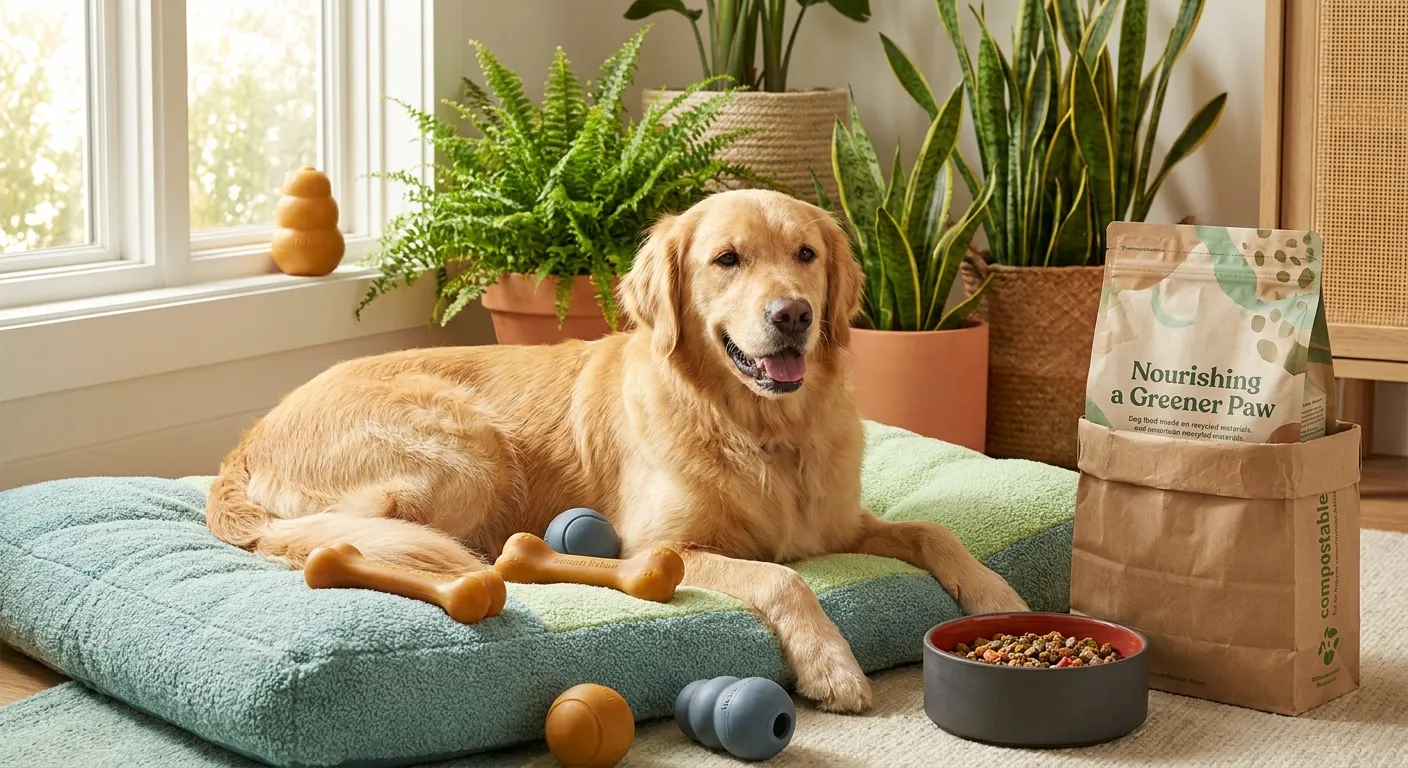

As pet owners, our commitment to our furry family members extends beyond daily walks and belly rubs. It now increasingly encompasses a profound responsibility towards their long-term health and the planet we all share. This growing trend, often termed ‘pet humanization,’ is profoundly influencing the sustainable dog health market, which was valued at a significant $16.8 billion in 2025 and is projected to reach $38.6 billion by 2034. At EcoFriendlyDogProducts.com, we believe that true well-being for your dog and the Earth are inextricably linked. Let’s explore how mindful choices in nutrition, grooming, and play can contribute to a healthier, more sustainable life for your canine companion.
Understanding What Sustainable Dog Health Means
Sustainable dog health isn’t just about choosing ‘natural’ products; it’s about making informed decisions that consider the entire lifecycle of a product and its impact. It means prioritizing non-toxic ingredients, supporting ethical sourcing, reducing waste, and opting for durability. This holistic approach ensures that your dog thrives without compromising environmental integrity. The demand for such products is particularly strong among Millennials and Gen Z pet owners, with approximately 67% actively seeking eco-certified or sustainably packaged items. Ultimately, our goal is to foster a healthier future for both pets and the planet through conscientious choices.
Nutrition: Beyond the Bowl – Choosing Eco-Conscious Food
Your dog’s diet is foundational to their health, and it’s an area where sustainable choices can make a significant impact. When considering eco-friendly nutrition, look for:
- Upcycled Ingredients: A cutting-edge trend, companies like Portland Pet Food and Real Dog Box are innovating by utilizing food industry byproducts that would otherwise go to waste. These ingredients are often nutrient-dense and reduce the overall environmental footprint of pet food production.
- Sustainable Sourcing: Opt for brands that transparently source ingredients, prioritizing organic, humanely raised, and locally produced options when possible. This minimizes transportation emissions and supports local economies.
- Eco-Friendly Packaging: Packaging innovations are crucial for waste reduction. Look for brands committed to 100% reusable or recyclable packaging, aligning with targets set by industry leaders like Purina and Mars Petcare for 2025. The EU’s new Packaging and Packaging Waste Regulation (PPWR), applicable from August 2026, mandates a 5% reduction in packaging waste by 2030, emphasizing the importance of recyclable materials and minimum recycled content. Consequently, consumer awareness of these regulations is also growing.
Furthermore, consider alternative protein sources. Insect-based proteins, for instance, offer a highly sustainable option with a significantly lower environmental footprint than traditional meat. Plant-based diets, when nutritionally complete and veterinarian-approved, can also contribute to a greener paw print. Always consult with your vet to ensure your dog receives all necessary nutrients for optimal well-being. Moreover, portion control is key; reducing food waste also supports a more sustainable approach to canine nutrition.
Grooming: Gentle on Your Dog, Gentle on the Earth
Grooming is essential for your dog’s hygiene and comfort, but many conventional products contain harsh chemicals and contribute to plastic waste. For a more sustainable grooming routine:
- Natural, Non-Toxic Ingredients: Pet owners are increasingly scrutinizing labels, seeking transparency in sourcing and natural, non-toxic ingredients. Choose shampoos, conditioners, and dental care products made from plant-based, biodegradable components. These products are safer for your dog’s skin and the environment.
- Water Conservation: Consider waterless shampoos or dry grooming methods between full baths. When bathing, use lukewarm water and efficient rinsing techniques. Additionally, ensure your grooming products are greywater-safe if you have a garden, as this allows for responsible water reuse.
- Eco-Friendly Tools: Replace plastic brushes with bamboo or recycled plastic alternatives. Opt for reusable grooming cloths instead of disposable wipes. Similarly, look for nail clippers and deshedding tools made from durable, long-lasting materials to reduce the need for frequent replacements.
In addition, proper dental care is a vital component of holistic dog well-being. Choose toothpastes free from artificial colors or flavors. Consider dental chews made with sustainable ingredients and minimal packaging. Regularly brushing your dog’s teeth not only prevents oral health issues but also reduces the need for costly and resource-intensive veterinary dental procedures. Therefore, investing in good dental hygiene is a smart choice for both your dog and the planet.
Playtime & Enrichment: Mindful Choices for Fun
Toys and enrichment activities are crucial for your dog’s mental and physical stimulation. However, many conventional dog toys are made from non-recyclable plastics and can wear out quickly. To promote a more eco-conscious playtime:
- Durable, Sustainable Materials: Look for toys made from natural rubber, hemp, organic cotton, or recycled plastics. These materials are generally safer for your dog and less harmful to the environment at the end of their life cycle.
- Second-Hand & Upcycled Toys: Consider giving pre-loved toys a new home, or even making your own from old t-shirts or denim. This reduces waste and offers a unique playtime experience.
- Engaging Activities: Instead of relying solely on physical toys, incorporate more interactive games, training sessions, and nature walks. These activities provide mental stimulation and strengthen your bond with your dog, often requiring fewer manufactured items.
Furthermore, when selecting new toys, prioritize those from companies with transparent manufacturing processes and ethical labor practices. Some brands even offer ‘toy take-back’ programs, allowing you to return worn-out toys for recycling. This demonstrates a commitment to the full product lifecycle. Consequently, your choices in toys can significantly impact the overall environmental footprint of your pet’s life, contributing to their overall green canine care.
Waste Management: Scooping Responsibly
Dog waste is a significant environmental concern. Traditional plastic bags contribute to landfill problems and can take hundreds of years to decompose. Here’s how to manage waste more sustainably:
- Compostable Poop Bags: Switch to bags made from plant-based materials that are certified compostable. These bags break down much faster, reducing plastic pollution.
- At-Home Composting: For backyard owners, dedicated pet waste composters can turn dog waste into non-food garden fertilizer. This method effectively diverts waste from landfills.
- Responsible Disposal: Always pick up after your dog. If composting isn’t an option, dispose of waste in designated bins. Never leave pet waste behind, as it can pollute waterways and spread bacteria.
In addition, consider the environmental impact of cat litter if you have feline friends. Many brands now offer eco-friendly litter made from recycled paper, corn, or wood pellets. While this article focuses on responsible dog care, a holistic approach to pet sustainability extends to all furry family members. Therefore, thoughtful waste management is a cornerstone of sustainable pet ownership, ensuring a cleaner environment for everyone.
Health & Wellness: A Proactive Approach
A truly holistic approach to sustainable dog health also involves proactive healthcare and responsible breeding practices. Regular veterinary check-ups are paramount, preventing minor issues from becoming major health problems that require more intensive, resource-heavy treatments. Similarly, supporting responsible breeders who prioritize genetic health and temperament helps reduce the incidence of inherited diseases, ultimately leading to healthier, longer-lived dogs. This reduces the strain on veterinary resources and ensures a higher quality of life for pets.
Moreover, explore natural remedies and preventative care options. For example, some pet owners opt for natural flea and tick repellents made from essential oils, while others incorporate supplements like probiotics for gut health. Always consult your veterinarian before introducing new treatments, however. Furthermore, understanding your dog’s specific breed predispositions can help you implement preventative measures early on. This thoughtful approach to pet well-being not only benefits your dog but also aligns with the principles of green canine care, making informed decisions that consider long-term impacts.
Sustainable Dog Health: The Broader Impact
Embracing a lifestyle centered around sustainable dog health extends beyond individual choices; it contributes to a larger movement. By choosing eco-friendly products, you support companies committed to ethical practices, driving innovation in sustainable pet supplies. This collective effort encourages manufacturers to adopt more responsible production methods, from sourcing raw materials to managing waste. Consequently, your purchasing power becomes a force for positive change within the pet industry.
Furthermore, educating other pet owners about the benefits of planet-friendly dog well-being amplifies this impact. Sharing your experiences with eco-conscious products and practices can inspire friends, family, and online communities to make similar choices. In fact, many online forums and social media groups are dedicated to sustainable pet living, offering a wealth of information and support. Therefore, becoming an advocate for greener paws helps foster a healthier future for all pets and the planet. This commitment reflects the core values of EcoFriendlyDogProducts.com, where we champion a healthier future for both pets and the planet.
Conclusion: Nurturing a Greener Paw
Nourishing a greener paw is a journey, not a destination. It involves continuous learning and making conscious choices that align with our values for both our beloved companions and the environment. From their food bowl to their playtime, every decision offers an opportunity to contribute to their well-being and the health of our planet. At EcoFriendlyDogProducts.com, we are proud to offer a curated selection of sustainable pet supplies that empower you to make these impactful choices. By embracing sustainable dog health, you’re not just caring for your pet; you’re actively participating in creating a healthier, more sustainable world for generations to come. Join us in fostering a future where every paw print is a green one, reflecting our shared commitment to responsible dog care. This holistic approach truly makes a difference.
FAQ Section
What does eco-friendly pet wellness mean for my dog?
Eco-friendly pet wellness means making choices that prioritize your dog’s health while minimizing environmental impact. This includes selecting products with non-toxic ingredients, supporting ethical sourcing, reducing waste, and opting for durable, sustainably made items. It’s about a holistic approach to your dog’s well-being and the planet.
How can I make my dog’s diet more sustainable?
To make your dog’s diet more sustainable, look for foods with upcycled ingredients, transparent and local sourcing, and eco-friendly packaging. Consider alternative proteins like insect-based options or vet-approved plant-based diets. Furthermore, reducing food waste through proper portioning also contributes to a greener diet.
Are there truly biodegradable poop bags available?
Yes, there are certified compostable poop bags available made from plant-based materials. These bags are designed to break down much faster than traditional plastic bags, significantly reducing plastic pollution. Always check for compostability certifications when purchasing.
What are some planet-friendly dog well-being grooming tips?
For green canine care grooming, use shampoos and conditioners with natural, non-toxic, and biodegradable ingredients. Conserve water with waterless washes between baths. Opt for grooming tools made from sustainable materials like bamboo or recycled plastics. Moreover, prioritize regular dental care with eco-friendly products.
How do sustainable choices in pet products help the environment?
Sustainable choices help the environment by reducing waste, conserving resources, minimizing pollution from manufacturing, and supporting ethical business practices. By choosing eco-certified and responsibly made items, you contribute to a circular economy and encourage the pet industry to adopt more environmentally friendly standards for all pet supplies. For more information on pet industry sustainability, consider resources like Petfood Industry Magazine.