
As loving dog owners, we constantly strive to provide the best for our furry companions. However, as our awareness of environmental issues grows, so does our desire to align our pet care with our eco-conscious values. This is why learning how to reduce dog waste footprint is becoming increasingly important. The sustainable pet supplies industry, valued at $16.8 billion in 2025 and projected to reach $38.6 billion by 2034, clearly shows that many pet owners are prioritizing environmental responsibility. This shift is driven by pet humanization – treating our pets as family members – and a desire to make informed, responsible choices that benefit both our dogs and the planet.
Why Waste Reduction is Essential for Sustainable Dog Ownership
Every product we purchase, from dog food to toys, has an environmental lifecycle. Single-use plastics, non-biodegradable materials, and excessive packaging contribute to landfill waste and pollution. By adopting waste reduction strategies, we can significantly lessen our dog’s impact on the environment. This isn’t just about feeling good; it’s about contributing to a healthier planet for all.
Furthermore, understanding the environmental impact of pet ownership empowers us to make better decisions. For instance, the carbon footprint of pets can be substantial, primarily due to food production and waste disposal. Therefore, choosing sustainable options becomes a vital part of responsible pet guardianship. We aim to protect our dogs’ well-being while simultaneously minimizing environmental impact, fostering a healthier future for both pets and the planet.
Investing in Durability: Products Built to Last
One of the most impactful ways to reduce waste is to choose durable, high-quality products that stand the test of time. Instead of frequently replacing flimsy toys or beds, opt for items made from sustainable, robust materials. For instance, the eco-friendly dog toys sector is projected to reach a market valuation of USD 10.61 billion by 2025, reflecting a strong demand for lasting alternatives. Similarly, the sustainable pet beds market was valued at $2.5 billion in 2025, growing to $2.68 billion in 2026, highlighting the shift towards long-lasting comfort for our pets.
Choosing Sustainable Materials for Your Dog’s Essentials
When selecting durable products, look for materials like:
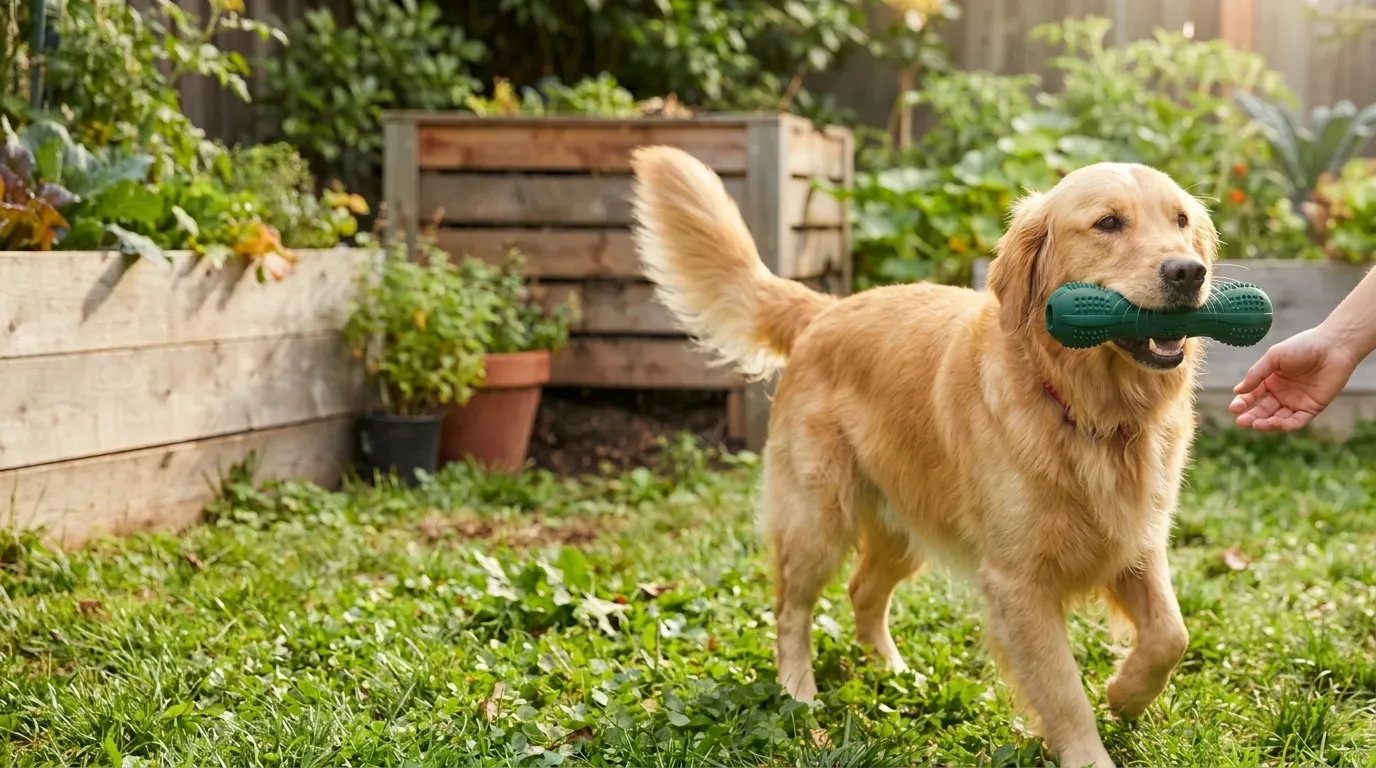
- Natural Rubber: Excellent for chew toys, offering resilience and biodegradability. This material is also safer for your dog, as it typically avoids harmful chemicals found in synthetic alternatives.
- Hemp and Organic Cotton: Ideal for ropes, beds, and apparel, known for their strength and minimal environmental impact. These fibers require less water and fewer pesticides to grow compared to conventional cotton.
- Recycled Content: Brands are innovating with materials like recycled PET (rPET) and certified ocean-bound plastic. The global rPET market reached US$ 11.92 billion in 2025, demonstrating the viability and growing demand for these materials. West Paw, for example, has launched products made from 100% certified ocean-bound plastic, showcasing how recycled materials can create high-quality pet products. This significantly helps to lower canine ecological pawprint.
- Untreated Wood: For chew toys or furniture, ensuring it’s free from harmful chemicals. Always verify the wood source is sustainable, such as FSC-certified.
Choosing these materials ensures longevity and reduces the frequency of replacements, directly contributing to less waste. Moreover, many of these materials are also compostable or recyclable at the end of their life, further minimizing their impact.
Embracing the Circular Economy: Take-Back Schemes and Refillables
The concept of a circular economy aims to keep resources in use for as long as possible, extracting the maximum value from them whilst in use, then recovering and regenerating products and materials at the end of their service life. This is a significant step towards sustainable pet ownership. Many companies are now offering innovative solutions that align with these principles.
Exploring Take-Back Programs
Some pet brands are implementing take-back schemes for their products. This means you can return used items, such as dog beds, toys, or even food bags, to the manufacturer. The company then takes responsibility for recycling, upcycling, or properly disposing of the materials. This effectively closes the loop on product lifecycles, reducing landfill waste. Always check with your favorite sustainable pet supplies brands to see if they offer such programs. This is an excellent way to minimize pet environmental impact.
The Rise of Refillable Pet Products
Refillable options are gaining popularity, especially for items like shampoos, treats, and even some types of dog food. Instead of buying a new container every time, you purchase a larger bulk refill or visit a local store with refill stations. This dramatically cuts down on packaging waste. For example, some brands offer concentrated cleaning products that you dilute at home, further reducing the need for new plastic bottles. This simple change can significantly lower your canine ecological pawprint over time.
Sustainable Feeding Practices: Reducing Food Waste and Packaging
Dog food production and packaging contribute substantially to environmental impact. Fortunately, there are many ways to make feeding your dog more eco-friendly. These practices are not only good for the planet but can also be beneficial for your dog’s health.
Choosing Eco-Friendly Dog Food
- Ethically Sourced Ingredients: Look for dog food brands that prioritize ethically and sustainably sourced ingredients. This includes meats from farms with humane practices and plant-based ingredients grown without excessive pesticides.
- Insect-Based Proteins: A growing trend, insect-based dog foods offer a highly sustainable protein source with a much lower environmental footprint than traditional meat. They require less land, water, and produce fewer greenhouse gases.
- Plant-Based Diets: For some dogs, a well-balanced plant-based diet can be a sustainable option. Consult with your vet to ensure it meets all your dog’s nutritional needs.
- Local and Organic: Sourcing food locally reduces transportation emissions. Organic ingredients also minimize exposure to harmful chemicals for both your pet and the environment.
Minimizing Food Packaging Waste
Packaging often represents a significant portion of waste. Therefore, consider these options:
- Bulk Buying: Purchase larger bags of kibble or treats to reduce the frequency of buying smaller, individually packaged items. Store them in airtight, reusable containers.
- Recyclable or Compostable Packaging: Many brands are now using packaging made from recyclable materials, post-consumer recycled content, or even compostable bags. Always check the labels and local recycling guidelines.
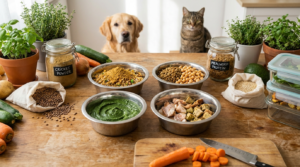
- Homemade Dog Food: Preparing your dog’s food at home allows you to control ingredients and eliminate packaging entirely. Ensure you follow veterinary-approved recipes to provide complete nutrition. This is an excellent way to reduce dog waste footprint.
Responsible Waste Management: Dealing with Dog Poop
Dog waste is a major environmental concern. It can pollute waterways, carry harmful bacteria, and contribute to greenhouse gas emissions if not managed properly. Adopting responsible waste management is crucial for any pet owner aiming for green pet care.
Composting Dog Poop
Composting dog waste is an effective way to prevent it from ending up in landfills. However, it requires a dedicated system separate from your regular garden compost due to potential pathogens. Specialized dog waste composters are available, or you can create your own. The resulting compost is typically suitable for non-edible plants or ornamental gardens, not vegetable patches. This significantly helps to decrease dog’s ecological waste.
Biodegradable Poop Bags
When composting isn’t feasible, choosing truly biodegradable or compostable poop bags is the next best option. Look for bags certified compostable to ASTM D6400 standards, as ‘biodegradable’ labels can sometimes be misleading. These bags break down much faster than traditional plastic bags, reducing their long-term environmental impact. Remember, even these bags should be disposed of properly, preferably in a designated compost facility if available.
Flushing Dog Poop
In some areas, flushing dog poop (without the bag) down the toilet is an acceptable disposal method, as it enters the wastewater treatment system. However, always check with your local municipality’s guidelines, as not all systems are equipped to handle animal waste. Never flush cat litter or non-compostable bags.
DIY and Upcycling: Creative Solutions for a Greener Home
Embracing DIY projects and upcycling old items can significantly reduce your dog’s waste footprint. This approach not only saves money but also fosters creativity and minimizes consumption.
Making Your Own Dog Toys
Instead of buying new plastic toys, consider making your own from materials you already have. Old t-shirts, jeans, or towels can be braided into durable tug toys. Empty toilet paper rolls can be filled with treats for a stimulating puzzle toy. Be sure to use non-toxic materials and supervise your dog during play to ensure safety. This is a simple yet effective way to lower canine ecological pawprint.
Upcycling for Pet Comfort
Old furniture, blankets, or even suitcases can be transformed into cozy dog beds or stylish feeding stations. An old sweater can become a warm dog coat. Search online for inspiration; countless ideas exist for upcycling household items into functional and comfortable pet accessories. This practice embodies the spirit of sustainable dog living by giving new life to discarded items.
Reducing Waste with Grooming and Cleaning Products
Even daily grooming and cleaning routines can contribute to your dog’s waste footprint. Making conscious choices in these areas further supports a greener home.
Eco-Friendly Grooming Supplies
- Natural Shampoos and Conditioners: Opt for products made with natural, biodegradable ingredients. Look for brands that offer refill options or use minimal, recyclable packaging.
- Reusable Grooming Tools: Invest in high-quality, durable brushes and combs that will last for years, rather than flimsy plastic ones that break easily.
- DIY Grooming Wipes: Use washable cloths dampened with natural solutions instead of single-use disposable wipes.
Sustainable Cleaning for Pet Messes
When cleaning up after your dog, consider:
- Eco-Friendly Cleaners: Choose non-toxic, biodegradable cleaning products. Many natural solutions, like vinegar and baking soda, are effective and safe for pets and the environment.
- Reusable Cleaning Cloths: Replace paper towels with washable microfiber cloths or old towels. This significantly reduces paper waste.
- Pet-Safe Air Fresheners: Instead of aerosol sprays, use natural diffusers with pet-safe essential oils or simply open windows for ventilation.
Adopting a Minimalist Approach to Pet Ownership
Ultimately, one of the most effective ways to reduce your dog’s waste footprint is to adopt a minimalist approach. This doesn’t mean depriving your dog; rather, it means being mindful about what you bring into your home and consuming less overall. Think quality over quantity.
Evaluating Needs vs. Wants
Before purchasing a new item for your dog, ask yourself if it’s truly necessary. Do they already have a similar toy? Can an existing item be repaired or repurposed? This mindful consumption helps to decrease dog’s ecological waste. It encourages intentional choices rather than impulsive buying.
Donating and Rehoming
If you have pet items your dog no longer uses, consider donating them to local animal shelters or rehoming them to other pet owners. This extends the life of products and prevents them from going to landfills. Many shelters are always in need of gently used blankets, towels, and toys. This simple act supports sustainable dog living and helps animals in need.
The Importance of Education and Advocacy
Being an eco-conscious pet owner also involves staying informed and advocating for change. The more we learn, the better equipped we are to make responsible choices and encourage others to do the same. This collective effort can amplify our impact.
Staying Informed
Follow reputable sources for information on sustainable pet products and practices. Websites like Pet Food Institute or environmental organizations often provide valuable insights. The landscape of sustainable pet supplies is constantly evolving, so continuous learning is important. Understanding new innovations helps us better reduce dog waste footprint.
Supporting Sustainable Brands
Vote with your wallet by supporting brands committed to sustainability. Look for certifications, transparent manufacturing processes, and companies that prioritize ethical sourcing and eco-friendly packaging. Your purchasing power can drive the market towards more sustainable options. This directly supports green pet care initiatives.
Advocating for Change
Share your knowledge and experiences with other pet owners. Encourage friends and family to consider sustainable choices. Participate in local community clean-up events or support policies that promote environmental protection. Every voice contributes to a larger movement. For further reading on environmental sustainability, consider resources from organizations like the Environmental Protection Agency (EPA).
Conclusion
Reducing your dog’s waste footprint is a comprehensive effort, encompassing everything from the food they eat to the toys they play with and how their waste is managed. By choosing durable, sustainable products, embracing circular economy principles, practicing responsible waste management, and adopting a minimalist approach, we can significantly lessen our environmental impact. Eco Friendly Dog Products is dedicated to providing pet owners with sustainable, safe, and green pet supplies that protect dogs’ well-being while minimizing environmental harm. Remember, every small step contributes to a healthier planet for both our beloved pets and future generations. Let’s work together to create a greener home and a more sustainable future for all.
FAQ
What are the easiest ways to start minimizing pet environmental impact?
Start with simple changes like choosing biodegradable poop bags, opting for durable toys made from natural materials, and buying dog food in bulk to reduce packaging. Gradually, you can explore more options like composting or making your own pet treats.
How can I ensure the pet products I buy are truly eco-friendly?
Look for certifications from reputable organizations, transparent sourcing information from brands, and clearly stated commitments to sustainability. Research the materials used and prioritize companies that offer take-back or recycling programs.
Is a plant-based diet suitable for all dogs to lower their ecological pawprint?
While a plant-based diet can significantly reduce a dog’s ecological pawprint, it’s crucial to consult with a veterinarian or a certified pet nutritionist. They can help determine if it’s appropriate for your dog’s specific health needs and ensure they receive all necessary nutrients.
What should I do with old dog toys and beds to decrease pet waste?
First, consider if they can be cleaned and donated to a local animal shelter or rehomed. If not, check if the materials are recyclable or if the brand offers a take-back program. As a last resort, dispose of them properly according to local waste guidelines.
Can I compost all types of dog waste at home for sustainable dog living?
Dog waste can be composted, but it requires a dedicated composter separate from your garden compost to prevent the spread of pathogens. The resulting compost should only be used for non-edible plants or ornamental gardens. Always research and follow safe composting practices for animal waste.
Explore more: More from Eco Friendly Dog Products