
As dog owners, we’re constantly seeking the best for our furry companions. However, ‘the best’ now means not only safe and high-quality products but also those that align with our values for a healthier planet. This growing awareness has put a spotlight on sustainable dog product packaging, a crucial element in reducing our collective environmental pawprint. The sustainable pet supplies industry, valued at $16.8 billion in 2025 and projected to reach $38.6 billion by 2034, reflects this significant shift, driven by consumers who prioritize environmental responsibility.
The Packaging Problem: A Growing Concern for Pet Parents
For years, pet product packaging often meant single-use plastics and non-recyclable materials. This significantly contributed to landfill waste. As pets are increasingly seen as family members – a trend known as pet humanization – owners are scrutinizing labels more than ever. This isn’t just about ingredients; it’s about the entire lifecycle of a product, from sourcing to disposal. Millennials and Gen Z pet owners, in particular, are fueling demand, with approximately 67% in North America and Western Europe actively seeking eco-certified or sustainably packaged items. This generational influence is a powerful driver for change.
Industry’s Response: Regulations and Corporate Commitments
The good news is that the industry is listening and evolving. Regulatory bodies are stepping up, with initiatives like the EU’s new Packaging and Packaging Waste Regulation (PPWR), broadly applicable from August 2026. This regulation mandates a 5% reduction in packaging waste by 2030. Furthermore, it aims for all packaging to be recyclable by 2030 and sets minimum recycled content requirements. For instance, plastic packaging will need 10% post-consumer recycled content by 2030. This isn’t just a European trend; it sets a global precedent for responsible manufacturing.
Major players like Purina and Mars Petcare have already committed to 100% reusable or recyclable packaging by 2025. This demonstrates a serious move towards circular economy models. These commitments are vital as they push for innovation across the supply chain, impacting everything from kibble bags to toy boxes.
What to Look For: Innovations in Sustainable Dog Product Packaging
Navigating the claims on pet product packaging can be complex. Here’s what genuinely sustainable options offer:
- Recycled Content: Look for packaging made from post-consumer recycled materials, such as recycled PET (rPET). The global rPET market, reaching US$ 11.92 billion in 2025 and projected to grow to US$ 19.44 billion by 2033, signifies its increasing adoption. Brands like West Paw are even innovating with products made from 100% certified ocean-bound plastic, setting a high bar for material sourcing.
- Refillable Systems: Some brands are introducing refillable containers for grooming products or treats, dramatically reducing waste. This approach encourages reuse and minimizes single-use plastics.
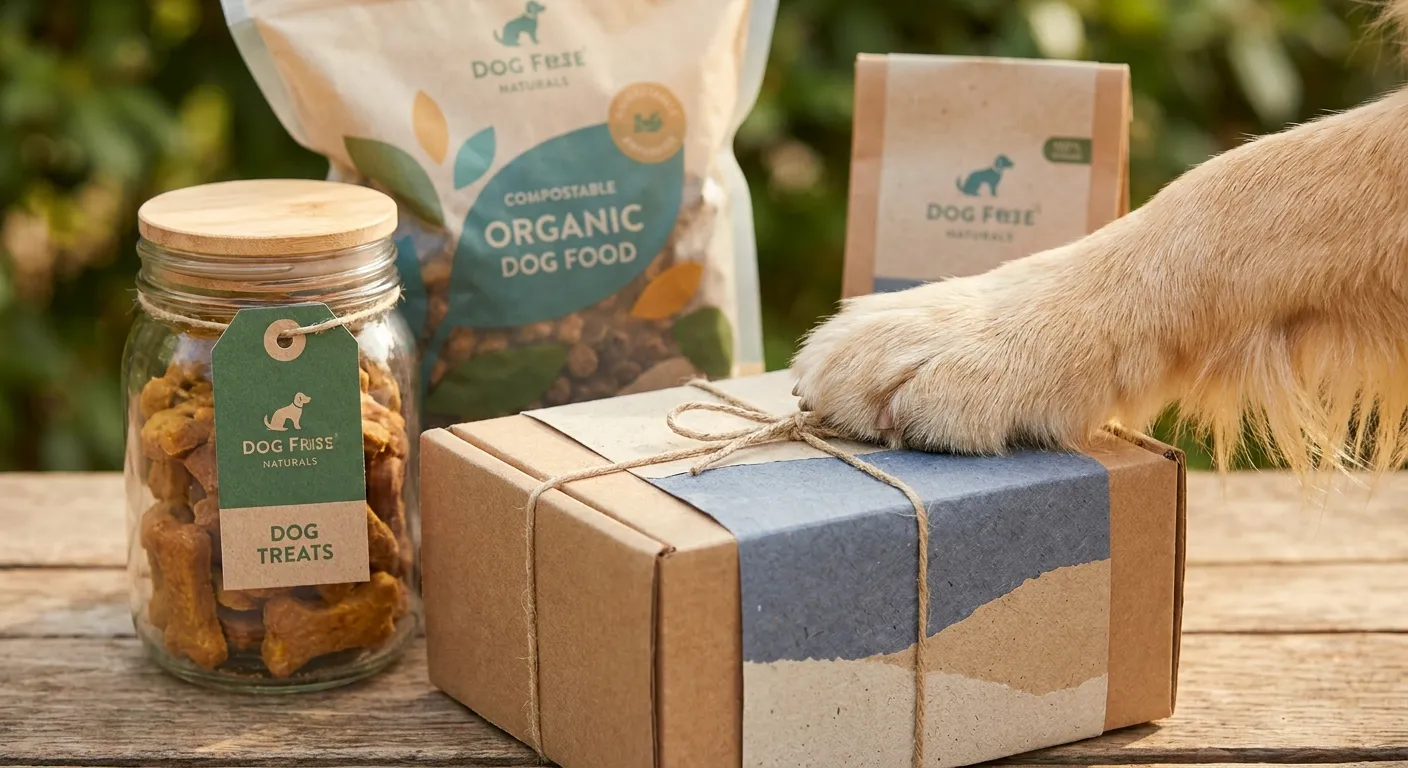
- Compostable Materials: Packaging made from plant-based materials like corn starch or sugarcane pulp can break down naturally, returning nutrients to the earth. These materials offer an excellent alternative to traditional plastics.
- Minimalist Design: Less packaging overall means less waste. Brands adopting minimalist designs often use fewer materials, reducing their environmental footprint.
- Mono-material Packaging: Packaging made from a single type of plastic (e.g., all PET) is easier to recycle than multi-layer packaging. This simplifies the recycling process significantly.
The Circular Economy: A Paradigm Shift for Pet Supplies
The concept of a circular economy is fundamental to truly sustainable practices. Traditionally, our economy follows a linear ‘take-make-dispose’ model. This generates enormous waste. In contrast, a circular economy aims to keep resources in use for as long as possible. It extracts the maximum value from them whilst in use, then recovers and regenerates products and materials at the end of each service life. For pet supplies, this means designing products and packaging for durability, reuse, and ultimately, recycling or composting.
This model moves beyond simply ‘recycling’ and focuses on redesigning the entire system. It involves innovative product design, responsible material sourcing, and robust end-of-life solutions. For instance, companies are exploring ways to collect and reprocess used pet food bags into new products. This closed-loop system reduces reliance on virgin resources and minimizes pollution.
Key Components of a Circular Economy in Pet Products
Implementing a circular economy in the pet industry requires a multi-faceted approach:
- Eco-Design: Products and their packaging are designed from the outset with their end-of-life in mind. This includes selecting materials that are easily recyclable or compostable. It also means designing for disassembly and repair.
- Sustainable Sourcing: Prioritizing renewable, recycled, or upcycled materials reduces environmental impact. For example, using FSC-certified paper for toy packaging ensures responsible forestry practices.
- Reuse & Refill Models: Encouraging consumers to reuse containers or participate in refill programs drastically cuts down on single-use waste. This shift requires both brand commitment and consumer participation.
- Effective Recycling & Composting Infrastructure: For materials to truly re-enter the economy, robust collection and processing systems are essential. Brands can support these initiatives by clearly labeling their packaging and educating consumers.
- Collaboration Across the Supply Chain: Achieving circularity demands cooperation among manufacturers, suppliers, retailers, and consumers. Everyone has a role to play in this systemic change.
These components collectively create a more resilient and responsible pet product ecosystem. They ensure that resources are valued and kept in circulation, benefiting both pets and the planet.
Case Studies: Brands Leading the Way in Sustainable Dog Product Packaging
Several forward-thinking brands are demonstrating how effective sustainable dog product packaging can be. For example, some companies now offer kibble in bags made from 100% post-consumer recycled plastic. These bags are not only functional but also significantly reduce the demand for new plastic production.
Another innovative approach comes from brands using fully compostable pouches for treats. These pouches break down into nutrient-rich soil, eliminating landfill waste. Furthermore, some brands have introduced ‘take-back’ programs. Here, customers can return empty packaging to be properly recycled or upcycled, closing the loop on their products. These initiatives set new industry standards.
West Paw, mentioned earlier, offers dog toys made from recycled materials and even provides a ‘Love It Guarantee’ which includes recycling options for their Zogoflex toys. This commitment extends beyond the initial purchase. Similarly, Earthborn Holistic uses plant-based packaging for some of its products, showcasing dedication to earth-friendly practices. These examples highlight the increasing viability and appeal of green packaging solutions.
The Role of Consumers: Your Power to Drive Change
As pet parents, your choices have immense power. By actively seeking out products with sustainable dog product packaging, you send a clear message to the industry. Look for certifications such as the B Corp certification, which signifies a company’s commitment to social and environmental performance. Also, research brands’ sustainability reports. Many companies now openly share their progress and goals.
Consider the entire lifecycle of a product before purchase. Can the packaging be recycled in your local area? Is it compostable? Does the brand offer refill options? Asking these questions empowers you to make more informed and responsible decisions. Furthermore, spread awareness among your fellow pet owners. Education is a key tool in accelerating this positive shift towards environmentally friendly options.
Supporting brands that prioritize ethical sourcing and responsible waste management directly contributes to a healthier future. Your purchasing power is a vote for the kind of world you want for your pets and for generations to come. Therefore, choose wisely and advocate for change.
Overcoming Challenges in Sustainable Pet Packaging
Despite significant progress, challenges remain in achieving widespread sustainable dog product packaging. One major hurdle is maintaining product integrity and shelf life with new materials. For instance, some compostable materials may not offer the same barrier properties as traditional plastics, which is crucial for pet food freshness. However, continuous innovation in material science is addressing these issues. New bioplastics and advanced recycled materials are constantly being developed to meet these stringent requirements without compromising sustainability.
Another challenge involves the cost of sustainable materials. Often, recycled or compostable packaging can be more expensive than virgin plastics. This can impact product pricing. Nevertheless, as demand grows and production scales, these costs are expected to decrease. Furthermore, investment in new recycling infrastructure is essential. Many communities lack the facilities to process certain types of sustainable packaging. Advocacy for better local recycling programs is therefore vital.
Finally, consumer education is paramount. Clear labeling and transparent communication from brands are necessary to help pet owners understand how to properly dispose of sustainable dog product packaging. Without this knowledge, even the most eco-friendly packaging might end up in a landfill. Addressing these challenges requires a collaborative effort from industry, government, and consumers alike.
The Future of Sustainable Dog Product Packaging
The trajectory for sustainable dog product packaging is clear: innovation and adoption will continue to accelerate. We can anticipate even more sophisticated materials, such as edible packaging for treats or water-soluble films that dissolve completely. Furthermore, smart packaging, which incorporates QR codes for recycling instructions or even tracks product freshness, is on the horizon. This technology will enhance both convenience and sustainability.
The push for a fully circular economy in the pet industry will intensify. This means greater emphasis on product-as-a-service models, where consumers lease durable items like feeders or beds and return them for refurbishment. We will also see more brands collaborating on shared refill stations or standardized packaging designs to streamline recycling efforts. Moreover, the integration of artificial intelligence and machine learning will optimize supply chains. This will further reduce waste and energy consumption. Therefore, the future holds exciting possibilities for truly green pet supplies.
Conclusion
The movement towards sustainable dog product packaging is more than a trend; it’s a fundamental shift towards a responsible and healthier future. As pet parents, we have the power to influence this change through our purchasing decisions and advocacy. By supporting brands committed to reducing their environmental pawprint and embracing circular economy principles, we contribute to a world where our beloved companions can thrive without compromising the planet. Let’s continue to demand better, choose greener, and inspire a sustainable legacy for generations of pets and people.
FAQ
What does eco-friendly pet packaging mean?
Eco-friendly pet packaging refers to materials and designs that minimize environmental harm throughout their lifecycle. This includes using recycled content, being recyclable, compostable, or designed for reuse. The goal is to reduce waste and conserve resources.
Why is green dog packaging important for the environment?
Environmentally friendly dog packaging helps reduce landfill waste, decreases plastic pollution in oceans, conserves natural resources, and lowers carbon emissions associated with manufacturing. It plays a crucial role in mitigating climate change and protecting ecosystems.
How can I identify truly sustainable pet supply packaging?
Look for certifications like FSC (Forest Stewardship Council) for paper, ensure clear recycling instructions, check for post-consumer recycled content percentages, and research brands’ overall sustainability commitments. Avoid excessive, unnecessary packaging.
Are there refill options for pet products to reduce waste?
Yes, many brands are now offering refillable containers for items like shampoos, treats, and even some foods. This system significantly cuts down on single-use packaging. Check with your favorite brands or local pet stores for available options.
What is the circular economy’s role in pet product containers?
The circular economy aims to design waste out of the system. For pet product containers, this means packaging is designed to be reused, repaired, or recycled back into new products. This contrasts with the traditional ‘take-make-dispose’ model, keeping materials in use longer. Learn more about the circular economy.
Where can I find pet brands committed to earth-friendly dog product wraps?
Many brands now highlight their commitment to sustainability on their websites and product labels. Look for companies that are B Corp certified, have clear sustainability reports, or actively promote their use of recycled, recyclable, or compostable materials. Explore industry trends in sustainable pet food packaging.
Explore more: More from Eco Friendly Dog Products