

As pet parents, we want the best for our furry family members. This desire extends beyond nutrition and comfort to playtime, where the demand for safe, durable, and eco-friendly dog toys is rapidly increasing. With the sustainable pet products market experiencing robust growth, projected to reach $38.6 billion by 2034, it’s clear that dog owners are prioritizing environmental responsibility alongside their pets’ well-being. However, with so many options, how can you discern truly sustainable toys from clever marketing? This guide will help you navigate the landscape of eco-conscious playtime.
The Rise of Sustainable Pet Play
Pet humanization is a significant driver in the sustainable pet products sector. As our companions become more integrated into our families, we seek products that align with our values, including environmental responsibility. This trend is particularly evident among Millennials and Gen Z pet owners, who are actively seeking eco-certified items. The sector for environmentally conscious dog toys alone is projected to reach a market valuation of USD 10.61 billion by 2025, highlighting a clear shift in consumer preference. Consequently, this growth underscores the importance of making informed choices.
Decoding Sustainable Materials for Eco-Friendly Dog Toys
Understanding the materials used in dog toys is the first step to making truly sustainable choices. Here are the key materials to look for when selecting planet-friendly dog toys:
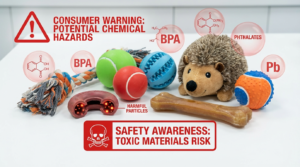
- Natural Rubber: This material is a fantastic alternative to synthetic rubber or plastic. Natural rubber is durable, chew-resistant, and biodegradable. Ensure it’s sustainably harvested and free from harmful chemicals like BPA or phthalates.
- Untreated Wood: For chew toys, untreated, sustainably sourced wood can be a great option. Look for woods like olive wood or coffee wood, which are naturally durable and safe for chewing. Always ensure there are no splinters or chemical treatments.
- Recycled Fibers: Innovation in recycled content is transforming the pet industry. Recycled PET (rPET), for instance, is gaining significant demand, with the global rPET market reaching US$ 11.92 billion in 2025. Companies like West Paw are leading the way, launching products made from 100% certified ocean-bound plastic, demonstrating how waste can be transformed into safe, new products. These materials are often used for stuffing in plush toys or for durable fabric components.
- Natural Fibers: Organic cotton, hemp, and jute are excellent choices for rope toys or plush toys. They are renewable, often biodegradable, and generally produced with fewer environmental impacts than conventional synthetic fibers. Ensure they are free from toxic dyes or bleaches.
Beyond Materials: Product Safety and Transparency in Sustainable Pet Products
While materials are crucial, true sustainability encompasses more. Pet owners are scrutinizing labels more than ever, seeking transparency in sourcing and natural, non-toxic ingredients. When choosing sustainable dog play items, consider the entire lifecycle of the product. This means looking at how it’s manufactured, packaged, and even how it can be disposed of responsibly. Furthermore, reputable brands often provide detailed information about their supply chains and certifications, offering peace of mind to conscientious consumers. For example, certifications like GOTS (Global Organic Textile Standard) for organic cotton or FSC (Forest Stewardship Council) for wood products indicate a commitment to environmental and social responsibility.
Moreover, product safety is paramount. Even if a toy is made from natural materials, it must be safe for your dog to chew, carry, and interact with. This means checking for small parts that could be swallowed, sharp edges, or dyes that could leach. Always prioritize toys designed specifically for dogs and appropriate for your dog’s size and chewing habits. Responsible brands often conduct rigorous testing to ensure their products meet high safety standards. In fact, many brands committed to sustainability also prioritize non-toxic formulations, ensuring no harmful chemicals are present.
The Environmental Impact of Conventional Dog Toys
Traditional dog toys often contribute significantly to environmental degradation. Many are made from virgin plastics, which rely on fossil fuels for production and are not biodegradable. Consequently, these toys frequently end up in landfills, where they can take hundreds of years to decompose, releasing microplastics into the environment. The manufacturing processes for these materials can also be energy-intensive and generate considerable pollution. For instance, PVC (polyvinyl chloride), commonly found in some conventional toys, is known for its toxic production byproducts and difficulty in recycling.
Furthermore, the dyes and chemicals used in conventional toys can be harmful to both pets and the planet. They can leach into soil and water during disposal or even during a dog’s play, posing health risks. The global scale of pet product consumption means that even small individual choices collectively create a vast environmental footprint. Therefore, opting for planet-friendly dog chew toys helps mitigate these negative impacts.
Key Considerations When Choosing Eco-Friendly Dog Toys
Selecting the right sustainable dog play items involves more than just material identification. Here are crucial factors to consider:
Durability and Longevity
A truly sustainable toy is one that lasts. While biodegradable materials are excellent, a toy that breaks quickly, regardless of its material, will lead to more consumption and waste. Look for robust construction and materials known for their resilience. For example, solid natural rubber or tightly woven hemp ropes often offer superior durability compared to flimsy alternatives. A long-lasting toy reduces the need for frequent replacements, thus minimizing its overall environmental footprint.
Certifications and Standards
Certifications provide an external validation of a product’s environmental claims. Look for recognized seals and labels that indicate sustainable sourcing, ethical manufacturing, or organic content. Examples include:
- GOTS (Global Organic Textile Standard): For organic cotton and other natural fibers.
- FSC (Forest Stewardship Council): Ensures wood products come from responsibly managed forests.
- OEKO-TEX Standard 100: Guarantees textiles are free from harmful substances.
- B Corp Certification: Indicates a company meets high standards of verified performance, accountability, and transparency on factors from employee benefits and charitable giving to supply chain practices and input materials.
These certifications offer assurance that the product meets specific environmental and social criteria. They help consumers make informed decisions about their purchases.
Brand Ethics and Transparency
Research the brands you are considering. Do they have a clear mission statement regarding sustainability? Are they transparent about their manufacturing processes and supply chain? Companies that prioritize environmental responsibility often share this information readily on their websites. Many also engage in initiatives like carbon offsetting or partnering with environmental organizations. For instance, some companies donate a portion of their profits to animal welfare or conservation efforts. This commitment reflects a holistic approach to sustainability, which extends beyond just the product itself.
Packaging
Even the most sustainable dog toys can be undermined by excessive or non-recyclable packaging. Look for minimal packaging, recycled content, or compostable materials. Brands committed to sustainability often extend their eco-conscious practices to their packaging solutions, using materials like recycled cardboard, plant-based plastics, or even no packaging at all. This reduces waste and further minimizes environmental impact. Ultimately, thoughtful packaging is an integral part of responsible pet product consumption.
Popular Types of Eco-Friendly Dog Toys and Their Benefits
There is a growing variety of sustainable options available for every type of play. Consider these popular choices:
Chew Toys
For avid chewers, durable and safe options are paramount. Natural rubber chew toys are an excellent choice, offering resilience and biodegradability. Furthermore, sustainably sourced wooden chews, such as olive wood or coffee wood, provide a satisfying and safe chewing experience. These options are free from the plastics and chemicals often found in conventional chew toys. Moreover, they help promote dental health naturally.
Fetch and Tug Toys
Rope toys made from organic cotton, hemp, or jute are perfect for games of fetch and tug. These natural fibers are strong, renewable, and biodegradable. Similarly, some brands offer balls made from natural rubber or recycled materials, providing bouncy fun without the environmental cost of traditional plastic balls. These green pet playtime options ensure active play remains environmentally sound.
Plush and Comfort Toys
For dogs who love to cuddle or gently mouth their toys, plush options made from organic cotton, hemp, or recycled fabrics are ideal. The stuffing can also be made from recycled PET fibers, diverting plastic from landfills. These soft toys offer comfort and gentle play, free from synthetic dyes and harsh chemicals. They provide a safe and cozy companion for your furry friend.
DIY Eco-Friendly Dog Toys: A Creative Solution
Creating your own environmentally safe dog play items is another fantastic way to ensure sustainability and save money. This approach allows you to repurpose materials you already have, reducing waste and giving new life to old items. Furthermore, it offers complete control over the materials used, guaranteeing they are safe and non-toxic for your pet. Consider these simple ideas:
- Old T-Shirt Braids: Cut old cotton t-shirts into strips and braid them tightly for a soft, durable tug toy. Ensure the fabric is clean and free from any embellishments that could be chewed off.
- Denim Knot Toys: Repurpose old denim jeans into sturdy knot toys. Denim is exceptionally durable and can withstand vigorous play.
- Empty Paper Towel Rolls: For light chewers or treat dispensers, empty paper towel or toilet paper rolls can be used. Stuff them with treats or peanut butter for an engaging puzzle. Always supervise your dog with these to prevent ingestion of cardboard pieces.
By making your own dog play items, you contribute to a circular economy and reinforce your commitment to sustainable practices. This can be a fun and rewarding activity for both you and your pet.
The Future of Sustainable Pet Supplies
The market for sustainable pet supplies, including eco-friendly dog toys, is continuously evolving. Innovations in material science are leading to even more biodegradable and recycled options. Furthermore, consumer demand is driving brands to adopt more ethical and transparent practices. As more research emerges on the environmental impact of various materials, manufacturers are striving to create products that are not only safe for pets but also have a minimal footprint on the planet.
Moreover, the concept of a circular economy is gaining traction within the pet industry. This involves designing products that can be repaired, reused, or fully recycled at the end of their life, minimizing waste and maximizing resource efficiency. As a result, we can expect to see more take-back programs, refillable packaging, and innovative recycling solutions for pet products in the coming years. This shift represents a promising future for pets and the planet.
Making a Difference with Every Purchase
Choosing eco-friendly dog toys is more than just a purchasing decision; it’s a statement of values. Each choice contributes to a larger movement towards a more sustainable future for our pets and the planet. By supporting brands committed to sustainability, you encourage further innovation and responsible manufacturing. Furthermore, educating other pet owners about the benefits of green pet playtime can amplify this positive impact. Together, we can foster a healthier environment for all.
Ultimately, your thoughtful selections for dog play items demonstrate a deep care for your furry friend and a conscious effort to protect the world they live in. Sustainable pet supplies are not just a trend; they are an essential part of responsible pet ownership. For more insights into sustainable pet care, you can explore resources like the Petfood Industry website, which often covers broader market trends in pet products. Additionally, the National Geographic website provides extensive information on environmental conservation and sustainable living, offering a wider context for your eco-conscious decisions.
FAQ
What makes a dog toy truly sustainable?
A dog toy is truly sustainable when it’s made from renewable, recycled, or biodegradable materials, produced ethically, and designed for durability. It also considers minimal and recyclable packaging. Furthermore, it avoids harmful chemicals throughout its lifecycle, from manufacturing to disposal.
Are natural rubber dog toys safe for my dog?
Yes, natural rubber dog toys are generally very safe for dogs, provided they are made from 100% natural, sustainably harvested rubber and are free from BPA, phthalates, and other harmful additives. Always check product descriptions for these assurances.
How can I tell if a brand is genuinely eco-conscious?
Look for transparency in their sourcing and manufacturing, certifications from reputable third-party organizations (like GOTS or FSC), and clear statements about their environmental mission. Many truly eco-conscious brands also highlight their initiatives in packaging reduction or community support.
Can I make my own environmentally friendly dog play items?
Absolutely! Repurposing old textiles like t-shirts or denim into braided tug toys is a great way to create DIY pet play items. Always ensure materials are clean, free of small parts, and safe for your dog to chew and play with, and supervise their use.
Why should I choose green pet playtime options over conventional ones?
Choosing green pet playtime options helps reduce plastic waste, conserve natural resources, and minimize exposure to harmful chemicals for both your pet and the environment. It supports a healthier planet and a safer play experience for your dog.
Explore more: More from Eco Friendly Dog Products