
As responsible pet owners, our commitment to sustainability often focuses on food and products. However, water conservation for pets is an equally vital, yet frequently overlooked, aspect of eco-friendly living. Every drop counts. By implementing simple daily habits, we can significantly reduce our household water consumption while still providing excellent care for our canine companions. From bathing to drinking, there are numerous opportunities to be more mindful. Therefore, embracing water-wise practices benefits both your pet and the planet.
Practical Tips for Water Conservation for Pets
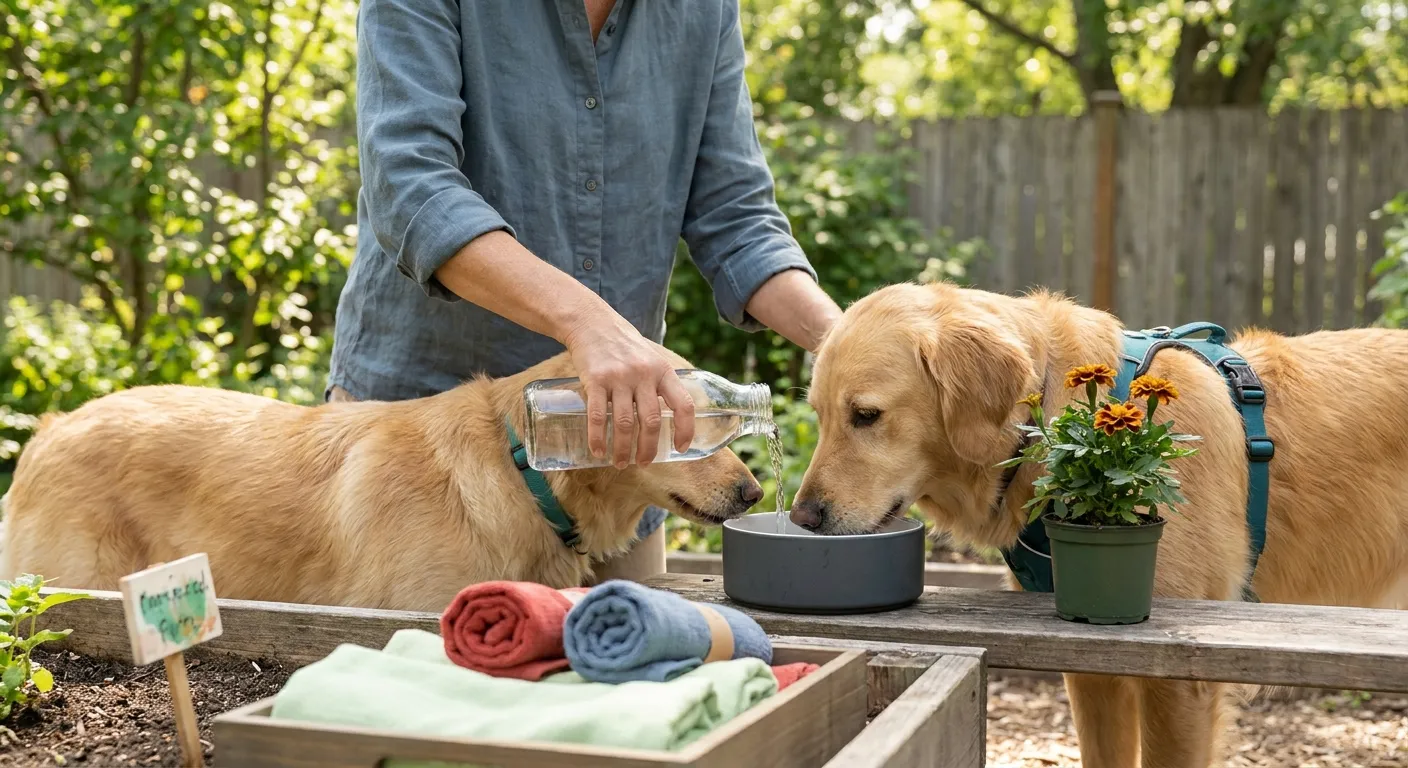
Start with bath time. Instead of letting the water run continuously, fill a tub or large basin with warm water for bathing. This method drastically cuts down on wasted water. Use eco-friendly, concentrated shampoos that rinse easily, reducing the amount of water needed. Furthermore, consider using a gentle spray nozzle with an on/off switch for more control. For drinking water, offer your dog fresh water in a bowl. Instead of constantly refilling and discarding stale water, consider using a pet fountain with a filter. These fountains keep water fresh and circulating, often encouraging pets to drink more, and reduce the frequency of full water changes. When cleaning bowls, avoid leaving the tap running; a quick scrub and rinse are usually sufficient. Additionally, repurpose water from rinsing vegetables or pasta for your dog’s outdoor drinking bowl, if safe and clean.
Smart Choices for Pet Hydration
Choosing the right hydration method is crucial for reducing water waste. A well-maintained pet fountain, for example, can save gallons of water over time compared to frequently refreshed bowls. Many modern pet fountains also feature activated carbon filters, ensuring clean water without constant replacement. Moreover, ensure your pet’s water bowl is appropriately sized to prevent spills and evaporation. Placing the bowl in a shaded area outdoors can also minimize evaporation, especially on hot days. It is important to note that proper hydration is vital for your dog’s health. Therefore, these conservation efforts should never compromise their access to fresh, clean water. Regularly check and clean fountains to maintain optimal water quality and prevent bacterial growth.
Beyond the Bowl: Water-Wise Outdoor Habits
Outdoor activities also present chances for water conservation for pets. If your dog enjoys playing with a hose, consider using a kiddie pool instead. This can be filled once and reused for multiple play sessions. The leftover water from the pool can then be used to water plants or a garden, rather than simply draining away. This is a great example of dual-purpose water use. When cleaning outdoor kennels or dog runs, sweep up debris before rinsing. Use a high-pressure nozzle on your hose to efficiently remove grime with less water. Similarly, be mindful of overwatering your lawn if your dog frequently uses it. Excessive watering can lead to runoff and waste. Instead, water deeply and infrequently, encouraging stronger root growth. Consider incorporating native plants into your yard, as these often require less irrigation. This approach aligns with a broader commitment to holistic sustainable dog care.
Eco-Friendly Grooming and Cleaning
Beyond bathing, general grooming and cleaning practices offer further opportunities for water conservation. For instance, when washing pet bedding, try to run full loads in your washing machine. Modern washing machines often have eco-friendly settings that use less water. Spot cleaning accidents with a damp cloth and eco-friendly cleaner can also reduce the need for full washes. For muddy paws, instead of a full bath, use a paw washer or a bucket of water and a towel. This targeted cleaning saves a significant amount of water. Furthermore, when cleaning pet-related items like toys or leashes, a quick soak and scrub in a basin can be more efficient than running water. These small adjustments contribute significantly to reducing your overall water footprint. These practices are part of a larger picture of sustainable dog care practices.
Understanding Your Pet’s Water Needs
While conserving water, it’s crucial to understand your dog’s specific hydration requirements. Factors like breed, size, activity level, and weather all influence how much water your dog needs daily. Typically, dogs need about one ounce of water per pound of body weight per day. However, highly active dogs or those in hot climates will require more. Always ensure fresh water is readily available. Dehydration can lead to serious health issues. Therefore, monitoring your dog’s water intake is paramount. Encourage drinking by offering water frequently, especially after exercise. Adding a little low-sodium broth to their water can also entice some picky drinkers. Consult your veterinarian if you have concerns about your dog’s hydration levels. Maintaining good health and practicing water conservation for pets go hand-in-hand.
Monitoring Water Consumption and Waste
To truly make an impact, it’s helpful to monitor your household’s water usage related to your pets. Keep track of how often you refill bowls, how much water you use for baths, and how efficiently you clean. This awareness can highlight areas where you can improve. For example, installing low-flow showerheads or hose nozzles specifically designed for pet bathing can drastically cut down on water usage without sacrificing effectiveness. Additionally, repairing leaky faucets or outdoor spigots immediately can prevent significant water waste over time. A small drip can waste hundreds of gallons annually. For more information on responsible water use, the EPA WaterSense program offers valuable resources. By being mindful and proactive, you can ensure efficient water usage. Similarly, understanding the environmental impact of pet ownership helps in making informed choices.
Innovative Solutions for Water Conservation for Pets
The market increasingly offers innovative products designed to assist with water conservation for pets. Rainwater harvesting systems, for example, can collect water from your roof for outdoor pet use, such as filling kiddie pools or cleaning kennels. These systems range from simple barrels to more complex setups. Another option is a greywater recycling system, which reuses water from sinks or showers for irrigation, potentially benefiting your garden where your pet plays. While these might be larger investments, they offer substantial long-term water savings. Portable water bottles for dogs with integrated bowls are excellent for walks, preventing the need for disposable cups or wasted poured water. These small, smart choices make a big difference. Furthermore, consider water-saving landscaping around pet areas, opting for drought-tolerant plants or permeable surfaces. The USGS Water Science School provides excellent insights into water management.
Educating Others and Community Impact
Sharing your knowledge about water conservation for pets with other pet owners can amplify the positive impact. Host a neighborhood discussion or share tips on social media. Many people simply aren’t aware of how much water is used in pet care. By demonstrating simple, effective habits, you can inspire others to adopt similar practices. Encourage local pet washes or groomers to use water-efficient equipment and practices. Support brands that prioritize water sustainability in their manufacturing processes. Collective action, even in small daily habits, leads to significant environmental benefits. Ultimately, fostering a culture of water consciousness within the pet community contributes to a healthier planet for everyone, including our beloved pets. These efforts contribute to a healthier future for both pets and the planet, aligning with the brand’s mission.
Conclusion: A Greener Paw Print Through Water Wisdom
Embracing effective water conservation for pets is an essential step towards a truly sustainable pet ownership lifestyle. From mindful bathing techniques to smart hydration solutions and water-wise outdoor habits, every conscious choice contributes to a larger environmental impact. By integrating these simple, daily practices into your routine, you not only reduce your household’s water consumption but also set a positive example for other pet owners. Remember, providing excellent care for your canine companions doesn’t have to come at the expense of our precious natural resources. Instead, it can be a harmonious blend of love for our pets and respect for the planet. Let’s commit to fostering a healthier future, one conserved drop at a time.
FAQ
How can I make my dog’s bath time more water-efficient?
To save water during bath time, fill a tub or basin instead of letting the water run continuously. Use concentrated, eco-friendly shampoos that rinse out easily. A nozzle with an on/off switch can also help control water flow. Consider using a dry shampoo for quick touch-ups between full baths.
Are pet drinking fountains good for saving water?
Yes, pet drinking fountains can significantly save water. They circulate and filter water, keeping it fresh for longer, which reduces the need for frequent bowl refills and discards. This also often encourages pets to drink more, promoting better hydration.
What are some outdoor tips for reducing water use with my dog?
For outdoor play, use a kiddie pool instead of a running hose, then reuse the pool water for plants. When cleaning kennels, sweep first, then use a high-pressure nozzle for efficient rinsing. Consider drought-tolerant landscaping in pet areas.
How can I ensure my pet stays hydrated while conserving water?
Always prioritize your pet’s hydration. Monitor their water intake, especially in hot weather or after exercise. Provide fresh water frequently, but use methods like fountains or appropriately sized bowls to minimize waste. Never compromise your pet’s access to clean drinking water.
What household habits can help with pet water savings?
Run full loads when washing pet bedding. Spot clean accidents instead of full washes. Repair leaky faucets immediately. Repurpose clean household water, like vegetable rinse water, for outdoor pet use when safe. These small changes collectively make a big difference.
Why is water conservation important for pet owners?
Practicing water conservation helps reduce your household’s environmental footprint, contributes to preserving a vital natural resource, and sets a positive example for sustainable living. It aligns with responsible pet ownership by caring for both your companion and the planet.