
Your Dog’s Diet: A Foundation for Planetary Well-being
As dog owners, we constantly seek the best for our furry companions, from their health and happiness to their environmental paw print. The good news? These priorities increasingly align. The global eco-friendly pet products market is experiencing robust growth, projected to reach $38.6 billion by 2034, with sustainable pet food leading the charge. This growth is driven by a significant shift in consumer values, with 73% of global pet owners in 2025 prioritizing environmental impact in their purchasing decisions. If you’re ready to make a positive change, a sustainable dog food transition is one of the most impactful steps you can take.
But how do you navigate this evolving landscape without upsetting your dog’s sensitive stomach or compromising their nutritional needs? This guide offers a scientifically supported, step-by-step approach to safely and effectively transition your dog to eco-friendly food options, helping you make informed decisions.
Why Consider Sustainable Dog Food?
Beyond environmental benefits, sustainable dog foods often offer superior nutritional profiles. Many brands focus on human-grade, minimally processed ingredients and provide transparent sourcing information. We’re seeing exciting innovations like upcycled ingredients – with 44% of pet food ingredients in 2024 derived from co-products of human food manufacturing – and novel proteins. These aren’t just eco-friendly; they can also offer unique health benefits and reduce allergen exposure for sensitive pups. Companies like Portland Pet Food Company, for instance, divert thousands of pounds of brew waste from landfills by upcycling ingredients, proving sustainability can also mean quality.
The Gradual Transition Method: Your Dog’s Digestive Health Comes First
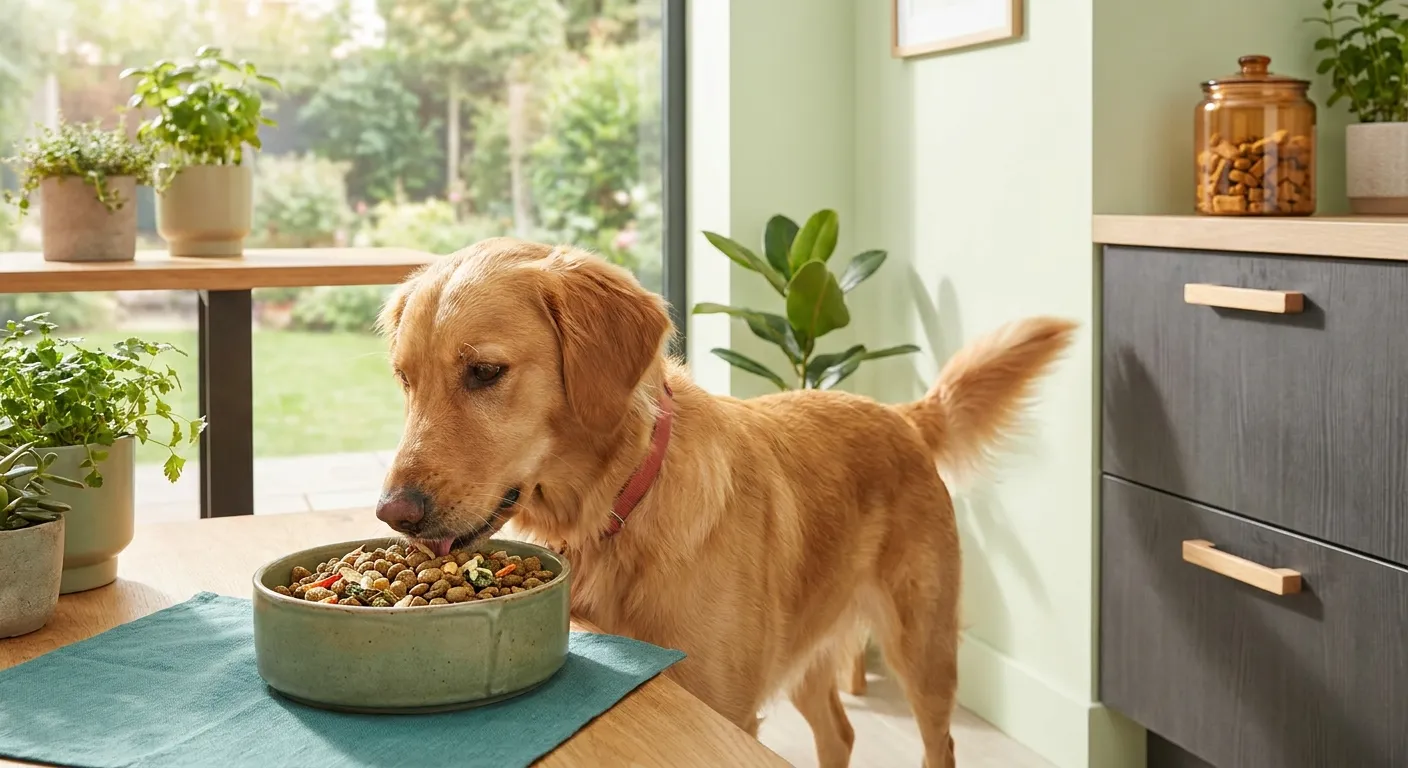
Abruptly changing your dog’s food can lead to digestive upset, including vomiting or diarrhea. A slow, gradual transition is key to allowing their digestive system to adapt. Here’s a recommended schedule:
- Days 1-3: 25% New Food, 75% Old Food. Begin by mixing a small portion of the new sustainable food with their current diet. Monitor your dog for any changes in appetite, energy levels, or stool consistency.
- Days 4-6: 50% New Food, 50% Old Food. If your dog is tolerating the change well, increase the new food to half of their meal. Continue to observe their digestion closely.
- Days 7-9: 75% New Food, 25% Old Food. As your dog continues to adjust, further increase the proportion of the sustainable food. At this stage, most dogs are well on their way to accepting the new diet.
- Day 10 Onward: 100% New Food. By the tenth day, your dog should be comfortable with their new sustainable diet. Continue to monitor them for a few more days to ensure complete adaptation.
If at any point your dog experiences significant digestive issues, revert to the previous step for a few more days or consult your veterinarian. Every dog is unique, and some may require a slower transition over two or even three weeks.
Choosing the Right Sustainable Dog Food for Your Pup
With the market expanding rapidly, selecting the best sustainable option can feel overwhelming. Consider these factors:
1. Ingredients: Look for organic, human-grade, and responsibly sourced ingredients. Are they free from artificial colors, flavors, and preservatives? Check for functional ingredients like prebiotics and probiotics for gut health.
2. Protein Source: Explore options beyond traditional meats. Novel proteins (like insect-based or cultivated meat, which 36% of pet owners are considering) or upcycled proteins can significantly reduce environmental impact while offering complete nutrition.
3. Certifications: Look for certifications that validate organic status, humane treatment, or sustainable sourcing practices.
4. Packaging: Prioritize brands using recyclable, compostable, or minimal packaging. This is an often-overlooked aspect of sustainability.
5. Brand Transparency: Leading brands are transparent about their ingredient sourcing, manufacturing processes, and environmental initiatives. Don’t hesitate to research a company’s practices.
Expert Recommendations and Trusted Resources
Consulting your veterinarian is always advisable before making significant dietary changes, especially for dogs with existing health conditions or dietary sensitivities. They can provide personalized advice based on your dog’s specific needs.
EcoFriendlyDogProducts.com is committed to curating a marketplace of trusted brands that meet stringent sustainability and safety standards. We meticulously vet products to ensure they align with our values and your desire for responsible pet ownership. From organic kibble to innovative treats utilizing upcycled ingredients, our selection reflects the latest advancements in eco-conscious pet nutrition.
Your Impact Starts with Every Meal
The choice of what you feed your dog has a direct impact on their health and the planet. By making a thoughtful, gradual sustainable dog food transition, you’re not just improving your dog’s diet; you’re actively participating in a growing movement towards a more sustainable future for all. This journey is a testament to your commitment to responsible pet ownership and planetary well-being.