
The world of pet care is constantly evolving. This evolution is driven by an increasing awareness of our environmental footprint. Furthermore, a deep love for our animal companions fuels this change. This intersection is sparking incredible innovation. It pushes the boundaries of what’s possible in sustainable living for pets. The exciting future eco pet products promise not just a healthier life for our dogs. They also promise a greener planet for all. Let’s explore the groundbreaking trends and emerging technologies. These innovations are shaping the next generation of sustainable pet care.
The Rise of Novel Materials: Beyond Traditional Resources
One of the most significant areas of innovation lies in the development and adoption of novel, sustainable materials. We are moving beyond simple recycling. Indeed, we are embracing entirely new paradigms.
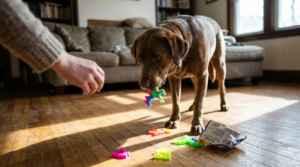
- Mycelium-Based Products: Imagine dog toys or even packaging grown from mushroom roots! Mycelium offers a strong, lightweight, and completely biodegradable alternative to plastics and foams. Its rapid growth cycle and ability to be molded into various shapes make it a fascinating prospect for pet accessories.
- Upcycled Ocean Plastics and Waste: While already present, the sophistication of upcycling is growing. Future items will likely integrate a wider array of recovered waste. This transforms discarded fishing nets into durable leashes. It also turns plastic bottles into cozy pet beds. Consequently, it closes the loop on waste streams more effectively.
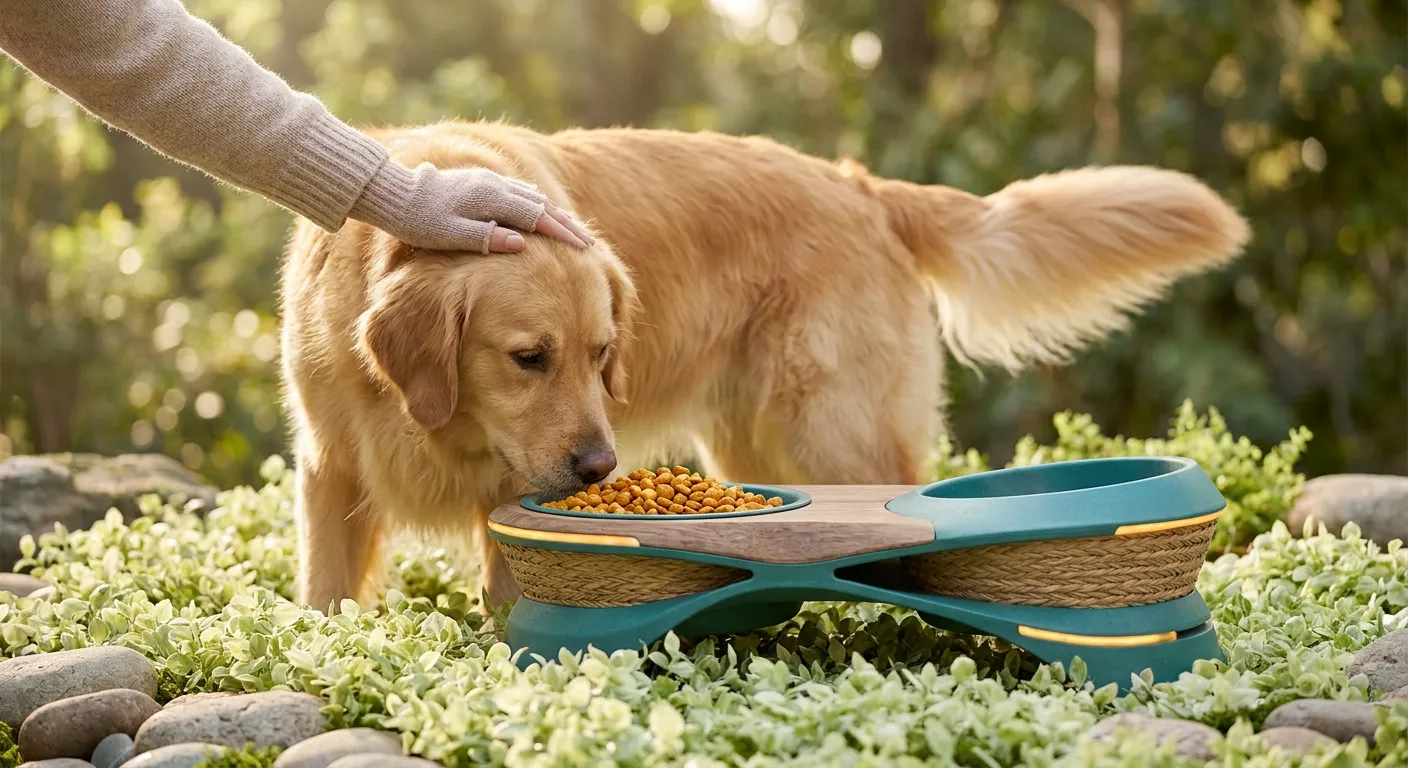
- Hemp and Bamboo Composites: Beyond their natural fiber forms, these materials are engineered into stronger, more versatile composites. These can replace traditional plastics in bowls, feeders, and even structural components. They offer superior biodegradability and renewable sourcing.
Sustainable Nutrition: Rethinking What’s in the Bowl
Pet food production has a significant environmental impact. However, innovation is rapidly addressing this. The future of sustainable pet nutrition looks diverse and exciting.
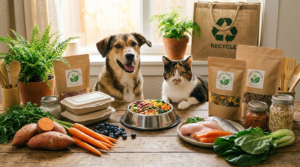
- Lab-Grown Proteins: Moving beyond traditional livestock, scientists are developing lab-grown meat proteins. These offer the same nutritional value with a fraction of the land, water, and carbon footprint. This could revolutionize dog food ingredients.
- Insect-Based Proteins: Already gaining traction, insect proteins (like black soldier fly larvae) are highly digestible, nutrient-rich, and incredibly sustainable to produce. They require far fewer resources than conventional meat sources.
- Precision Fermentation: This technology allows for the creation of specific nutrients, fats, and proteins without animal inputs. It offers highly customized and eco-friendly dietary solutions for pets with specific needs.
Circular Economy in Pet Products: Design for Longevity and Rebirth
The concept of a circular economy is becoming central to sustainable practices. Products are designed for durability, repair, reuse, and ultimately, biological or technical cycling. This approach minimizes waste and maximizes resource efficiency. For instance, companies are now offering take-back programs. These programs ensure old items are properly recycled or upcycled. Moreover, modular designs allow for easy replacement of worn parts, extending product life. This emphasis on longevity and responsible end-of-life management is crucial for truly sustainable pet care.
Furthermore, this shift encourages a more mindful consumer culture. Pet owners are increasingly seeking products that align with their values. They want items that are not only good for their dog but also good for the planet. Consequently, brands are responding by prioritizing transparency in their supply chains. They also focus on providing clear information about product materials and their environmental impact. Ultimately, the circular economy model transforms how we think about pet ownership. It fosters a cycle of responsibility and renewal.
Smart Technology for a Greener Paw Print
Technology plays a vital role in enhancing sustainability. Smart devices are emerging to help pet owners reduce their environmental impact. This includes everything from optimized feeding systems to waste management solutions. For example, smart feeders can precisely dispense food, reducing waste. They can also monitor a pet’s intake, preventing overfeeding. This not only benefits the pet’s health but also conserves resources.
Additionally, innovative waste solutions are on the horizon. Biodegradable waste bags are already common. However, new technologies are developing. These include compact home composting units specifically designed for pet waste. Such units can convert waste into nutrient-rich soil. This significantly reduces landfill contributions. Moreover, smart litter boxes for cats, for example, can track usage patterns and optimize litter changes. This further minimizes waste and resource consumption. These technological advancements make sustainable pet ownership more accessible and efficient.
Water Conservation in Pet Care
Water is a precious resource. Therefore, future pet care innovations are also focusing on its conservation. This includes water-efficient grooming products. For instance, dry shampoos and waterless cleaning solutions are becoming more sophisticated. These products reduce the need for frequent baths. This saves significant amounts of water. Similarly, smart water bowls are being developed. They dispense water only when needed. This prevents evaporation and spills. Such bowls can also filter water, keeping it fresh for longer. This reduces the frequency of water changes. Furthermore, some pet washing stations are incorporating recycled water systems. These systems capture and filter water for reuse. This drastically cuts down on overall water usage. These small changes collectively contribute to a larger impact on water conservation.
Moreover, the manufacturing processes of pet products themselves are becoming more water-conscious. Companies are adopting closed-loop systems. These systems recycle water used in production. This minimizes wastewater discharge. As a result, the entire lifecycle of pet items is becoming more sustainable. This holistic approach ensures that every aspect of pet care considers its environmental footprint. We are seeing a growing commitment to responsible resource management across the industry. These efforts highlight a collective drive towards a more sustainable future.
The Role of Personalized and Localized Pet Products
Personalization and localization are key trends in the sustainability movement. Customized pet items often lead to less waste. They are designed specifically for a pet’s needs, reducing the likelihood of returns or unused products. For example, custom-fit apparel made from sustainable fabrics ensures a perfect fit. This extends the garment’s lifespan. Similarly, personalized food subscriptions deliver exact portions. This minimizes food waste. This approach also caters to specific dietary requirements. It therefore reduces the need for multiple specialized products.
Localized production also offers significant environmental benefits. Sourcing materials and manufacturing products closer to home reduces transportation emissions. This lowers the carbon footprint associated with distribution. Furthermore, supporting local businesses strengthens communities. It also ensures adherence to local environmental regulations. For example, a local bakery using locally sourced, organic ingredients for dog treats significantly reduces its environmental impact. This contrasts with treats produced far away. These localized and personalized options represent a thoughtful step towards truly sustainable pet care. They empower consumers to make choices that benefit both their pets and the planet.
Biodegradable and Compostable Packaging
Packaging waste is a major environmental concern. Consequently, the pet industry is moving towards more sustainable solutions. This includes the widespread adoption of biodegradable and compostable packaging. Imagine dog food bags that can be safely composted in your backyard! This eliminates the need for them to end up in a landfill. Similarly, treats and toys are increasingly packaged in materials derived from plant-based sources. These materials break down naturally. They return nutrients to the earth. This significantly reduces plastic pollution. For instance, innovative packaging made from corn starch or sugarcane pulp is becoming more common. These materials offer the same protective qualities as traditional plastics. However, they do so without the lasting environmental impact.
Moreover, companies are exploring edible packaging for certain pet treats. This eliminates packaging waste entirely. These advancements are crucial for reducing the overall environmental footprint of pet products. They also make it easier for pet owners to dispose of packaging responsibly. The shift towards these eco-friendly options reflects a strong commitment from brands. They are dedicated to minimizing their impact on the planet. This focus on sustainable packaging is a significant step forward for the industry. It aligns with the growing demand for truly green products.
The Impact of Upcycling and Repurposing
Upcycling and repurposing are transforming waste into valuable resources. This creative approach reduces the demand for new materials. It also diverts items from landfills. For example, old fire hoses are being transformed into incredibly durable dog toys. Similarly, discarded climbing ropes find new life as strong, stylish leashes. These innovative uses extend the lifecycle of materials. They also give products a unique story. This appeals to environmentally conscious consumers. Many brands are collaborating with artists and designers. They are creating unique, handcrafted items from reclaimed materials. This not only promotes sustainability but also supports local craftsmanship. The result is often high-quality, long-lasting items that stand out.
Furthermore, pet owners themselves are encouraged to repurpose items. An old sweater can become a cozy pet bed. A worn-out towel can be cut into cleaning rags. This mindset of reuse reduces consumption. It also fosters a more sustainable household. By embracing upcycling and repurposing, we can significantly reduce our environmental impact. We also give our pets unique and functional items. These efforts underscore a broader movement towards resourcefulness. They highlight a commitment to minimizing waste in all aspects of life. Indeed, the creativity in this space is inspiring. It shows how we can find value in what was once considered trash. This is a key aspect of future eco pet products.
Ethical Sourcing and Fair Trade for Pet Products
Ethical sourcing and fair trade practices are gaining prominence in the pet industry. Consumers are increasingly concerned about where products come from. They also care about how they are made. Consequently, brands are prioritizing transparent supply chains. They ensure that materials are sourced responsibly. This means avoiding practices that harm the environment or exploit workers. For example, wood for pet furniture might be certified by the Forest Stewardship Council (FSC). This ensures it comes from sustainably managed forests. Similarly, fabrics might be organic and fair trade certified. This guarantees fair wages and safe working conditions for producers.
Moreover, ethical sourcing extends to ingredients in pet food. Companies are seeking out humanely raised meats and sustainably harvested fish. This not only benefits animal welfare but also supports responsible farming and fishing practices. By choosing products with ethical certifications, pet owners can make a positive impact. They can support businesses that uphold high social and environmental standards. This commitment to ethical practices reflects a holistic approach to sustainability. It ensures that the entire production process aligns with eco-friendly values. These considerations are becoming standard for truly sustainable pet supplies.
The Future Eco Pet Products: A Holistic Vision
The landscape of sustainable pet care is rapidly expanding. We are moving towards a future where every aspect of pet ownership is considered through an environmental lens. From the food our dogs eat to the toys they play with, innovation is driving positive change. The integration of novel materials, sustainable nutrition, and smart technology paints a promising picture. These advancements not only reduce our collective paw print. They also enhance the well-being of our beloved companions. Moreover, the emphasis on circularity and ethical practices ensures a more responsible industry. We are seeing a shift from simply minimizing harm to actively promoting ecological regeneration. This holistic vision for future eco pet products is exciting.
Ultimately, the choices we make as pet owners have a profound impact. By opting for environmentally conscious products, we contribute to a healthier planet. We also support brands that share our values. The continuous development of these green alternatives empowers us. It allows us to provide the best for our pets without compromising the environment. As the industry evolves, we can anticipate even more creative solutions. These will further integrate sustainability into every facet of pet life. This collective effort promises a brighter, greener future for dogs and the world they inhabit. The commitment to these principles defines the next generation of sustainable pet supplies. Furthermore, it exemplifies the dedication of brands like Eco Friendly Dog Products. They strive to offer choices that benefit all.
Conclusion: Paving the Way for a Greener Tomorrow
The journey towards truly sustainable pet care is dynamic and inspiring. We have explored the exciting innovations that define future eco pet products. These include everything from mushroom-grown toys to lab-grown proteins. The industry is responding to a clear demand. Pet owners want products that are both effective and environmentally responsible. The focus on novel materials, ethical nutrition, and smart technology is transforming the market. Moreover, the principles of the circular economy and ethical sourcing are becoming foundational. These efforts collectively reduce our environmental impact. They also foster a healthier planet for all living beings. As these advancements continue, pet owners will have an even wider array of choices. These choices will enable them to make truly sustainable decisions. We at Eco Friendly Dog Products are excited to be part of this movement. We are dedicated to bringing these innovative, green solutions to you. Together, we can pave the way for a greener, more sustainable tomorrow for our cherished canine companions. This commitment drives the development of every sustainable pet product we offer.
For further reading on sustainable materials, consider exploring resources from the Environmental Protection Agency (EPA). Additionally, insights into ethical food sourcing can be found through organizations like the Fair Trade America.
FAQ
What are some examples of emerging sustainable pet products?
Emerging sustainable pet products include items made from mycelium, upcycled ocean plastics, and hemp composites. For nutrition, expect to see more lab-grown proteins, insect-based foods, and options created through precision fermentation.
How does a circular economy apply to pet supplies?
A circular economy for pet supplies means products are designed for durability, repair, and reuse. This minimizes waste. It includes take-back programs, modular designs for easy part replacement, and materials that can be biologically or technically cycled.
Will personalized pet items be more eco-friendly?
Yes, personalized pet items can be more eco-friendly. They are tailored to specific needs, which reduces waste from unused or ill-fitting products. Custom-fit apparel and precise food subscriptions are good examples of this trend.
What role does technology play in green pet care?
Technology enhances green pet care through smart devices. These include optimized feeding systems that reduce waste. Other examples are home composting units for pet waste, and water-efficient grooming solutions. These innovations help minimize environmental impact.
Why is ethical sourcing important for dog products?
Ethical sourcing ensures that materials are obtained responsibly. It means avoiding environmental harm and exploitation. This includes sustainably harvested ingredients for food and fairly produced components for accessories. It supports a more responsible and transparent industry.
Explore more: More from Eco Friendly Dog Products