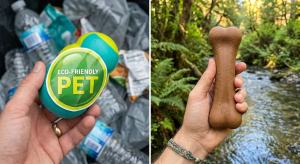
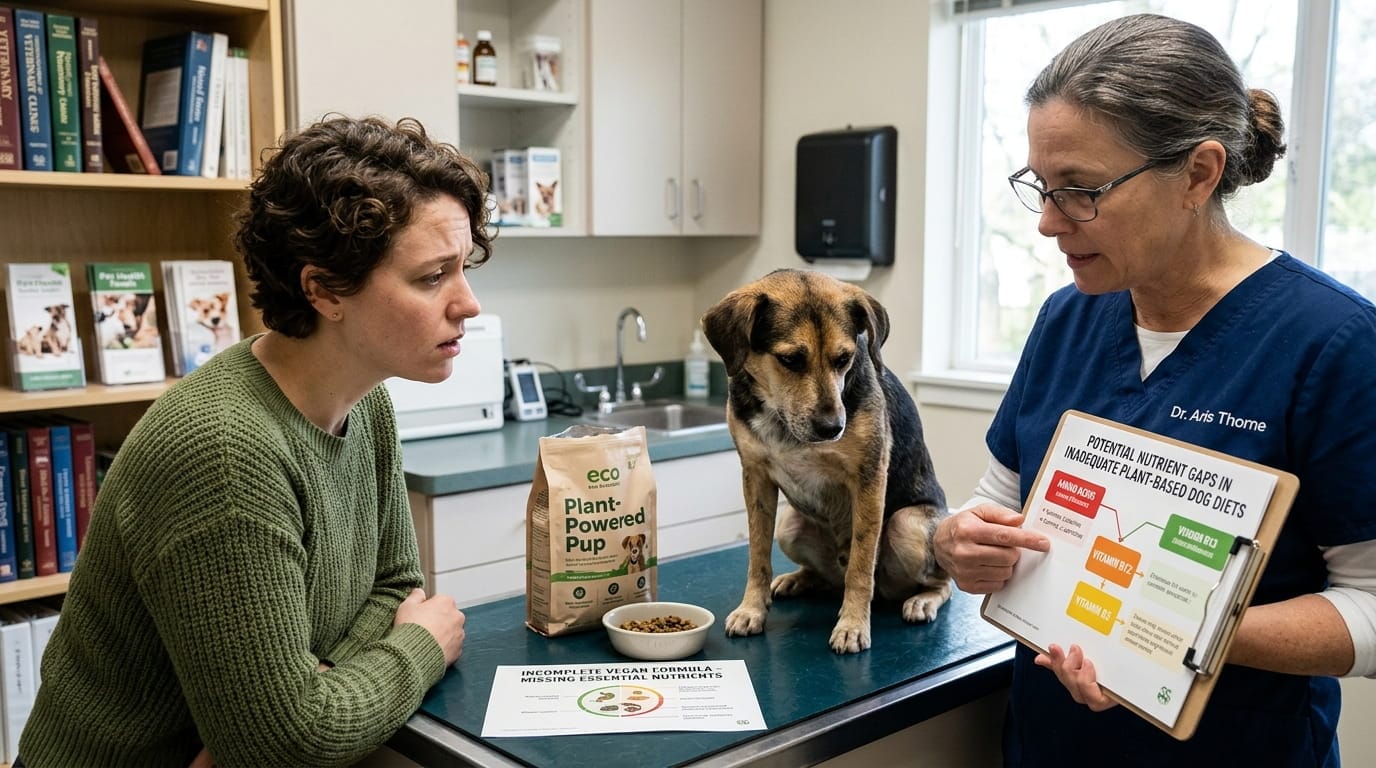

Incomplete eco dog diets are becoming a quiet concern as more pet owners search for greener ways to feed their dogs. Many people want food that uses fewer animal resources, less packaging, cleaner ingredients, and more sustainable protein sources. That goal is understandable. However, a diet can look environmentally responsible and still fail to meet a dog’s nutritional needs.
Dogs need more than a bowl filled with wholesome-looking ingredients. They need the right balance of protein, fat, amino acids, vitamins, minerals, fatty acids, fiber, and calories. When that balance is missing, health problems may develop slowly. At first, the dog may seem fine. Later, owners may notice dull coat, weak muscles, low energy, poor digestion, itchy skin, weight changes, or weaker immunity.
The problem is not sustainability itself. Many eco-conscious foods can support dogs well when they are complete, tested, and properly formulated. The risk comes from assuming that natural, plant-forward, homemade, organic, low-waste, or alternative-protein meals are automatically balanced. In reality, incomplete eco dog diets can create hidden gaps that are hard to spot without careful review.
Why Eco-Friendly Does Not Always Mean Nutritionally Complete
Eco-friendly dog food can mean many things. It may use insect protein, plant protein, upcycled ingredients, organic produce, recyclable packaging, lower-carbon sourcing, or less meat. These features can reduce environmental impact. However, they do not prove that a food provides complete nutrition for daily feeding.
A complete dog diet must supply essential nutrients in the right amounts. It also needs those nutrients in forms your dog can digest and use. For example, a food may contain protein, but the amino acid profile may not fully support your dog’s body. A meal may include vegetables, but it may still lack enough calcium, zinc, iodine, vitamin D, or essential fatty acids.
This is where incomplete eco dog diets become risky. They often appear healthy because the ingredients sound clean. Sweet potatoes, lentils, carrots, peas, oats, seeds, and leafy greens may all have value. Yet dogs cannot thrive on ingredient appeal alone. The final recipe must meet canine nutritional requirements.
Homemade eco meals can be especially tricky. Owners may cook fresh food with love, but love does not balance calcium and phosphorus. It does not calculate amino acids or trace minerals either. Without a veterinary nutritionist or properly formulated recipe, a homemade meal can become unbalanced quickly.
Some commercial foods also deserve a closer look. A product may be marketed as sustainable, gentle, or holistic, but still work better as a topper than a full diet. Therefore, owners should check the label carefully. If a product says it is for supplemental feeding only, it should not replace your dog’s main food.
The best sustainable diets do both jobs well. They reduce environmental pressure while still meeting your dog’s needs. That balance matters because your dog’s health should never become the trade-off for greener branding.
The Nutrients Dogs Can Miss in Poorly Balanced Diets
Protein gets most of the attention, but it is only one part of the picture. Dogs need enough protein, but they also need the right amino acids. These building blocks help maintain muscle, repair tissue, support skin, and keep the immune system strong. If a diet depends too much on one limited protein source, gaps can appear.
Calcium and phosphorus are another major concern. These minerals work together to support bones, teeth, nerves, and muscles. If the balance is wrong, growing puppies face even higher risk. Adult dogs can also suffer over time. Homemade meals that include meat or plants without proper mineral balancing often fall short here.
Essential fatty acids are easy to overlook. Omega-3 and omega-6 fats help support skin, coat, brain function, and normal inflammation responses. Some eco diets reduce fish-based ingredients for sustainability reasons, which may be reasonable. However, they still need a reliable fatty acid source. Algae oil, certain plant oils, or balanced commercial formulas may help when used correctly.
Vitamins and trace minerals also matter. Zinc, copper, iodine, selenium, vitamin A, vitamin D, vitamin E, and B vitamins all support important body functions. Deficiencies may not appear right away. Instead, dogs may slowly develop skin issues, poor coat quality, fatigue, or general weakness.
Taurine and related heart nutrients can also become part of the discussion. Dogs can usually make taurine from other amino acids, but diet composition may influence status in some cases. This is one reason owners should avoid guessing with unusual recipes, especially for breeds with heart concerns.
Calories matter too. Some eco-focused meals are high in fiber but too low in energy for active dogs. Others are too calorie-dense because of oils, legumes, or added fats. Either problem can affect weight and condition. Therefore, incomplete eco dog diets are not only about missing nutrients. They can also involve poor energy balance.
Digestibility is another hidden factor. A food may list healthy ingredients, yet your dog may not absorb them well. Loose stools, gas, bloating, or frequent stool volume may suggest that the diet is not working smoothly. When nutrients pass through poorly digested, the label can look better than the results.
Signs an Eco Diet May Not Be Working
Some signs appear in the coat first. A dog on an unbalanced diet may develop dull fur, dry skin, flakes, excess shedding, or recurring itchiness. However, skin and coat problems can come from allergies, parasites, infections, or grooming products too. So, diet should be reviewed as part of a wider health check.
Energy changes can also be a clue. If your dog seems tired, weak, or less interested in normal activity, nutrition may be involved. Still, low energy can signal many health issues. Because of that, persistent changes should not be blamed on food alone without veterinary input.
Muscle loss is another concern. Dogs need usable protein and enough calories to maintain lean tissue. If a diet is too low in key amino acids or energy, your dog may lose strength over time. This can be harder to notice in fluffy dogs, so body checks are useful.
Digestive problems may show up as loose stools, constipation, gas, vomiting, or irregular appetite. A new eco food may cause temporary changes during transition. However, ongoing digestive upset means the diet may not suit your dog. It may also mean the switch happened too quickly.
Weight loss can happen when a diet is too low in calories or poorly digested. Weight gain can happen when portions are too large or the formula is too rich. Either way, a sustainable label does not guarantee that the food fits your dog’s real needs.
Puppies need extra caution. Growth places heavy demands on the body. Incomplete eco dog diets can be especially risky during this stage because nutrient gaps may affect development. Large-breed puppies need careful mineral balance, so they should eat food designed for their growth needs.
Senior dogs also deserve careful monitoring. Many older dogs need enough high-quality protein to preserve muscle. However, some seniors have kidney, liver, dental, or digestive conditions. Because of that, a senior dog’s diet should match their health, not just eco values.
Homemade Eco Meals Need More Than Good Intentions
Homemade feeding can feel like the cleanest option. You control the ingredients, reduce packaging, and avoid formulas you do not trust. However, homemade diets are one of the easiest places to create nutrient gaps. Even meals that look beautiful can be incomplete.
Many homemade recipes online are not professionally balanced. They may include brown rice, lentils, vegetables, eggs, oils, and a protein source. While these ingredients can be useful, the recipe may still miss calcium, iodine, zinc, copper, vitamin D, or essential amino acids. Over weeks or months, those missing nutrients can matter.
Rotating ingredients does not always fix the problem. Some owners believe variety creates balance over time. Variety can help, but it does not guarantee proper nutrient levels. If every recipe lacks enough calcium, for example, rotation will not solve it.
Supplements can help, but they need precision. Adding a general multivitamin without a complete plan may create new imbalances. Too much of some nutrients can be harmful, while too little can leave gaps. This is why veterinary nutrition guidance is valuable for homemade diets.
Plant-forward homemade meals require even more care. Dogs can use some plant-based nutrients, but amino acid balance, digestibility, minerals, and fatty acids must be planned carefully. Incomplete eco dog diets often happen when owners replace meat without replacing the nutrients meat provided.
Raw eco diets also need caution. Some owners choose raw feeding because they want less processing or more natural meals. However, raw diets can carry food safety risks for pets and people. They can also be unbalanced when bones, organs, muscle meats, and supplements are not used correctly.
A safer homemade approach starts with a recipe formulated by a veterinary nutritionist. This gives your dog a complete plan while still allowing you to choose lower-waste or responsibly sourced ingredients. It also reduces the guesswork that makes homemade feeding risky.
How to Choose Safer Sustainable Dog Food
Start by checking the nutritional adequacy statement. This label tells you whether the food is complete and balanced for a life stage, such as adult maintenance or growth. If the food is only a topper, mixer, or treat, it should not serve as the main diet.
Next, review the company’s transparency. A responsible brand should explain who formulates the food, how it tests recipes, and what standards it follows. Ideally, the company uses qualified nutrition experts and provides clear feeding instructions. Strong sustainability claims should sit beside strong nutrition details.
Look at the protein source, but do not stop there. Insect protein, yeast protein, algae, legumes, fish, poultry, eggs, or upcycled animal ingredients can all play a role. However, the whole recipe must provide the right amino acids and digestible nutrients. The ingredient list alone cannot prove that.
Consider your dog’s life stage. Puppies, pregnant dogs, nursing dogs, seniors, active dogs, and dogs with medical conditions need more specific nutrition. Incomplete eco dog diets can cause more harm when a dog has higher or more complex needs. Therefore, life-stage matching is not optional.
Introduce new foods slowly. Even a well-formulated food can upset digestion if changed too fast. Mix the new food with the old food over several days. Then, watch stool quality, appetite, energy, skin, coat, and weight.
Check portion sizes. Sustainable food still needs correct feeding amounts. Overfeeding wastes food and can cause weight gain. Underfeeding may lead to low energy and nutrient shortfalls. Use the feeding guide as a starting point, then adjust based on body condition.
Do not let packaging decide everything. Recyclable bags, compostable materials, or low-waste shipping are good features. However, they should never outweigh nutritional quality. A responsible product should care for both your dog and the planet.
Balancing Sustainability With Your Dog’s Health
A healthy eco approach does not have to be extreme. You can reduce environmental impact without choosing risky diets. For example, you may choose a complete food from a transparent brand that uses responsible sourcing. You may also reduce waste by feeding proper portions, storing food well, and avoiding unnecessary toppers.
Treats are another place to improve. Many dogs eat extra snacks each day. Choosing simple, lower-impact treats or using part of your dog’s regular food as rewards can reduce waste and calories. However, treats should not replace balanced meals.
Food storage also matters. Dry food can lose freshness when exposed to air, heat, or moisture. Wet food can spoil if stored poorly. When food gets thrown away, its environmental impact grows. Better storage protects nutrition and reduces waste.
You can also choose durable feeding gear. Stainless steel bowls, washable mats, and reusable storage containers can support a lower-waste routine. These choices do not change the diet itself, but they help create a more sustainable pet care system.
For dogs with allergies, digestive disease, kidney disease, heart concerns, or other medical issues, health must come first. A special veterinary diet may not be the greenest-looking option, but it may be the safest. In those cases, you can make eco improvements in other parts of pet care instead.
It is also wise to schedule regular wellness checks. Bloodwork, body condition reviews, dental checks, and weight monitoring can reveal problems early. If you feed a less traditional diet, professional monitoring becomes even more important.
Remember that incomplete eco dog diets can develop from good intentions. Most owners are not careless. They are trying to make kinder choices. The key is making sure those choices also meet your dog’s biological needs.
Conclusion
Sustainable feeding can be a thoughtful and responsible goal. However, green claims should never replace complete nutrition. Dogs need balanced meals that provide enough protein, amino acids, minerals, vitamins, fatty acids, calories, and digestible ingredients. When those needs are missed, health problems can build slowly and quietly.
Incomplete eco dog diets are risky because they often look healthy on the surface. Fresh ingredients, plant-forward recipes, alternative proteins, and low-waste packaging can all seem reassuring. Yet none of those features prove the diet is complete. The real test is whether the food supports your dog’s body every day.
The safest path is balance. Choose complete and balanced foods, read labels carefully, introduce changes slowly, and ask your veterinarian for help when needed. If you want homemade meals, use a recipe created by a veterinary nutrition professional. If your dog has health concerns, put medical needs first.
Eco-conscious feeding should support both your values and your dog’s wellbeing. With the right approach, you can reduce impact without risking hidden nutrient gaps. Incomplete eco dog diets are avoidable when you choose sustainability with science, care, and common sense.
FAQ
- Can Sustainable Dog Food Be Complete and Balanced?
Yes, many sustainable dog foods can be complete and balanced when they are properly formulated and tested. Check the nutritional adequacy statement and make sure the food suits your dog’s life stage.
- Are Homemade Green Diets Safe for Dogs?
They can be safe only when properly formulated. Many homemade recipes miss key nutrients, even when they use healthy ingredients. Work with a veterinary nutritionist before using homemade meals as your dog’s main diet.
- What Nutrients Are Most Often Missed?
Common concerns include calcium, phosphorus, zinc, iodine, vitamin D, essential fatty acids, and key amino acids. The exact risk depends on the recipe and ingredients used.
- How Do I Know if My Dog’s Diet Is Causing Problems?
Watch for dull coat, itchy skin, low energy, poor stools, weight changes, muscle loss, or appetite shifts. These signs can also come from illness, so contact your veterinarian if they continue.
- Should Puppies Eat Eco-Friendly Dog Food?
Puppies can eat sustainable food if it is complete and balanced for growth. Large-breed puppies need especially careful nutrition, so choose a formula made for their life stage and ask your veterinarian for guidance.