
Pet gear waste may seem harmless when you are clearing out old leashes, cracked bowls, worn beds, broken toys, stained blankets, or outgrown crates. After all, many pet products look small compared with household furniture, appliances, or renovation debris. However, the impact adds up quickly when millions of pet owners toss damaged, unused, or unwanted items into the trash without thinking about where they go next.
Most pet gear is made from mixed materials, which makes disposal more complicated. A single collar may include nylon, metal hardware, plastic clips, synthetic dye, and rubber trim. A plush toy may contain polyester stuffing, squeakers, thread, and fabric coatings. In addition, pet beds often combine foam, fleece, zippers, plastic liners, and water-resistant layers. Because these items are difficult to separate, many of them end up buried in landfills for years.
Throwing everything away may feel convenient in the moment. Still, that quick choice can create long-term environmental and practical problems. Some products release microplastics, hold odors, attract pests, or waste materials that could still serve another purpose. Therefore, understanding the risks of pet gear waste can help you make cleaner, safer, and more responsible choices when your pet’s supplies reach the end of their useful life.
Why Old Pet Gear Becomes a Bigger Problem Than It Looks
Pet products often wear out slowly. A bed loses support, a leash frays, a bowl cracks, and toys become too damaged for safe play. Because each item seems minor, it is easy to toss one thing at a time. However, those small decisions can build a steady stream of pet gear waste in landfills.
Many modern pet products use synthetic materials because they are affordable, durable, lightweight, and easy to clean. These qualities help pet owners in daily life. However, they also create disposal problems later. Nylon, polyester, rubber, foam, vinyl, and hard plastics do not break down like natural fibers. Instead, they can remain in the waste system for a very long time.
Even natural-looking products may contain hidden synthetic parts. For example, a cotton-looking dog bed may include polyester fill or a plastic waterproof liner. A rope toy may include dyed fibers or blended materials. As a result, pet owners may assume an item is more eco-friendly than it really is. This makes disposal decisions harder.
Another issue is volume. Pet beds, cat trees, crates, litter boxes, carriers, and feeding stations can take up significant landfill space. Although one bed may not seem like much, repeated replacement creates a larger footprint. This is especially true for growing pets, multi-pet homes, foster families, shelters, and owners who buy seasonal or trendy products.
There is also a hidden cost to replacing gear too often. When items are thrown away early, owners spend more money, and manufacturers produce more goods. That cycle uses energy, packaging, transport, water, and raw materials. Therefore, pet gear waste is not only about what happens after disposal. It also reflects the resources used before the product ever reached your home.
Environmental Risks of Throwing Pet Supplies Away
Landfills are not designed to make waste disappear. They store it. When old pet items enter that system, they can contribute to pollution, odor, material buildup, and long-term environmental pressure. While trash collection removes clutter from your home, it does not remove the impact.
Plastic-based pet gear can slowly break into smaller pieces. Over time, sunlight, friction, moisture, and pressure can weaken materials. These fragments may become microplastics, which are difficult to contain once they enter soil, water, or drainage systems. Because many pet toys, bowls, collars, and waste accessories contain plastic, pet gear waste can quietly add to this problem.
Foam is another concern. Many pet beds and crate pads use foam because it feels soft and supportive. However, foam can be bulky and difficult to recycle. Once discarded, it takes up space and may break apart into smaller pieces. In addition, low-quality foam beds often flatten quickly, which encourages frequent replacement.
Synthetic fabrics also create disposal challenges. Fleece blankets, polyester beds, nylon harnesses, and plush toys may shed fibers during use and after disposal. These fibers do not behave like wool, cotton, or other natural materials. Therefore, they can linger much longer in the environment.
Metal parts may seem less harmful, but they can still create waste when attached to non-recyclable materials. Clips, buckles, snaps, and tags often remain connected to collars, leashes, and harnesses. Because most owners do not separate these parts, recyclable metal may end up buried with fabric and plastic instead.
Packaging adds another layer. Pet gear often comes with cardboard inserts, plastic hangers, zip ties, tags, wraps, and branded containers. If owners throw away both the product and the packaging, the overall waste grows. Therefore, reducing pet gear waste starts before disposal. It begins with buying better, choosing durable materials, and avoiding products that seem disposable from the start.
Health and Safety Risks Inside the Home
Trash disposal can also create problems before items even leave your house. Old pet gear may carry bacteria, mold, allergens, parasites, odors, or sharp edges. When these items sit in indoor trash cans, garages, storage rooms, or outdoor bins, they can create unpleasant and sometimes unsafe conditions.
Pet beds and blankets can hold hair, dander, saliva, urine, dirt, and moisture. If they are thrown into a warm trash area while damp, they may develop strong odors quickly. In some cases, mold or mildew may grow. This is especially concerning for people with allergies, asthma, or sensitive immune systems.
Chewed toys can become hazards too. Broken plastic, exposed squeakers, torn seams, and loose stuffing may harm pets if they dig them back out of the trash. Some dogs are skilled at opening bins, especially when items smell familiar. Because of that, damaged toys should be secured before disposal or handled in a safer way.
Old collars and harnesses can also create risks if they are reused without inspection. Frayed stitching, cracked clips, rusted rings, or stretched straps may fail during walks. However, throwing them away without checking repair or recycling options adds to pet gear waste. The better approach is to sort items into safe reuse, repair, recycle, donation, or final disposal.
Food and water bowls require special attention. Cracked plastic bowls can trap bacteria in scratches and grooves. Damaged ceramic bowls may have sharp edges or hidden cracks. Rusty metal bowls may no longer be safe for daily feeding. Although these items may need to leave your pet’s routine, they do not always belong straight in the trash.
Litter boxes, scoops, and waste tools can carry strong odors and residue. If discarded carelessly, they can attract pests or contaminate other household waste. Therefore, clean them first when possible. Then, check whether the material can be recycled locally. This small step keeps your home cleaner and reduces unnecessary pet gear waste.
Why Donation Is Not Always the Answer
Donation can be a wonderful option, but it requires care. Shelters, rescues, foster groups, and community pet programs often need supplies. However, they may not accept every item. Dirty, broken, unsafe, heavily chewed, or odor-filled gear can create more work for volunteers. In some cases, it may even put animals at risk.
Before donating, inspect each item honestly. A clean crate, sturdy leash, gently used bed cover, unopened grooming product, or washable blanket may help another pet. However, a torn toy with loose stuffing should not be passed along. Neither should a cracked bowl, unsafe harness, or bed that cannot be fully cleaned.
Cleaning matters. Wash fabric items, wipe hard surfaces, and remove hair when possible. If an item still smells strongly after cleaning, it may not be suitable for donation. Shelters already manage high cleaning demands, so thoughtful donations save time and resources.
It also helps to contact organizations first. Some groups welcome towels and blankets but do not accept pillows or large beds. Others may need crates, carriers, collars, or feeding bowls. Because needs change often, a quick message can prevent wasted trips and unwanted drop-offs.
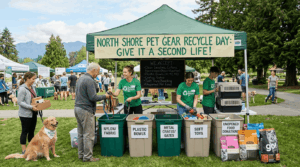
Community sharing can also help. Local pet groups, neighborhood pages, and rescue networks may connect useful items with owners who need them. For example, a puppy that outgrew a small harness quickly may leave it in great condition. Passing it on keeps value in use and reduces pet gear waste.
Still, donation should not become a way to avoid responsible sorting. If an item is unsafe, filthy, or falling apart, it should not become someone else’s problem. Responsible reuse means extending the life of good products, not shifting trash to another home.
Smarter Ways to Handle Old Pet Gear
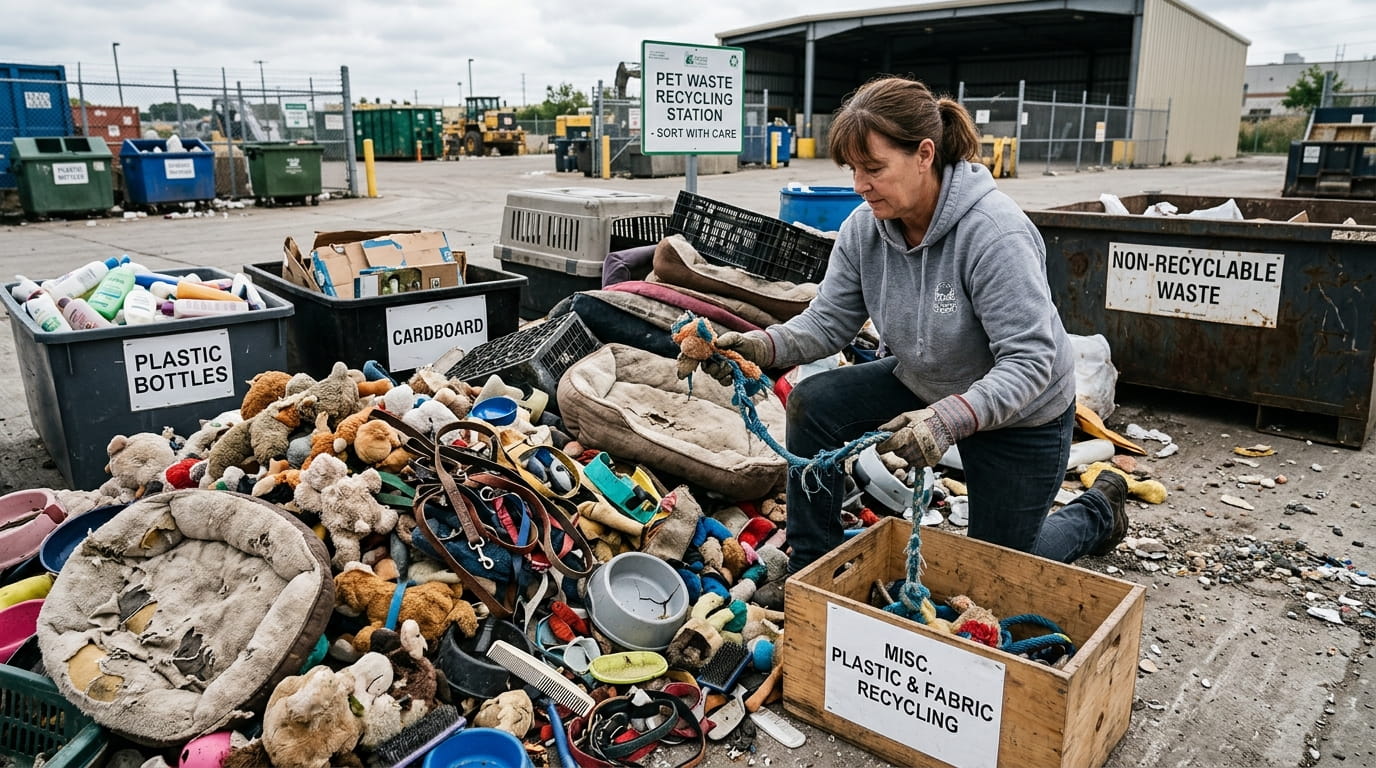
A better disposal plan starts with sorting. Place pet items into clear groups: reusable, washable, repairable, recyclable, compostable, and true trash. This simple step prevents useful supplies from going straight into the bin. It also helps you see buying patterns, such as too many low-quality toys or beds that wear out too quickly.
Repair can be a smart first option. Some leashes need new stitching. Some beds only need a replacement cover. A crate may need a new tray. A cat tree may need new sisal rope. Although not every repair is worth it, many small fixes can extend product life. This saves money and reduces pet gear waste over time.
Recycling depends on local rules. Hard plastic bowls, metal crates, stainless steel dishes, and some packaging may qualify in certain areas. However, mixed-material items are harder. Always check local guidance before placing pet products in recycling bins. Wishful recycling can contaminate the recycling stream and create more work.
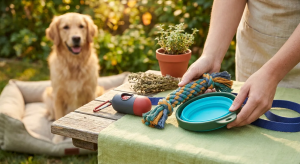
Upcycling offers another useful path. Old towels can become paw wipes. Clean blankets can line crates. Worn shirts can become bedding covers. A scratched feeding mat may work under plants or cleaning supplies. While every item will not have a second life, creative reuse can delay disposal.
Some pet brands and retailers offer take-back or recycling programs. These programs may accept specific items such as toys, beds, packaging, or gear from certain materials. Availability changes by area and company, so check before relying on it. Still, these options can be helpful when local recycling does not accept pet supplies.
Composting may work for some natural materials, but caution is important. Untreated natural fibers may be compostable in some systems. However, synthetic blends, dyes, waterproof coatings, plastic parts, and pet waste residue can make composting unsuitable. When in doubt, keep questionable items out of compost.
The best long-term strategy is buying less but buying better. Choose durable toys, washable covers, replaceable parts, stainless steel bowls, repairable gear, and products made with simpler materials. Although better items may cost more at first, they often last longer. Therefore, they can reduce clutter, save money, and lower pet gear waste.
Building a Lower-Waste Pet Care Routine
Reducing trash does not require perfection. Small habits can make a meaningful difference. Start by checking what your pet actually uses. Many homes collect extra toys, duplicate bowls, unused clothes, and outgrown gear. When you buy with more intention, fewer items end up forgotten in closets or bins.
Rotate toys instead of buying constantly. Dogs and cats often enjoy items more when they appear again after a break. This keeps enrichment fresh without adding more products. In addition, it helps you inspect toys regularly for damage. You can remove unsafe items before they become a bigger problem.
Wash and maintain gear on a schedule. Clean beds, bowls, collars, harnesses, carriers, and toys last longer when cared for properly. Dirt, moisture, and odor can shorten product life. Therefore, maintenance is one of the simplest ways to prevent early disposal.
Choose products that match your pet’s real behavior. A power chewer needs tougher toys, not cheap plush toys that shred in minutes. A senior dog may need a supportive bed with a washable cover. A messy drinker may need a durable mat that can handle daily cleaning. Matching products to your pet reduces waste because fewer items fail quickly.
Be careful with trend buying. Seasonal outfits, novelty toys, decorative bowls, and themed accessories can be fun. However, they can also create clutter if they do not serve a real purpose. Before buying, ask whether the item will be used often, cleaned easily, and kept for a reasonable time.
Finally, make disposal part of your routine instead of a rushed cleanup. When you review pet gear every few months, you can donate useful items, repair minor damage, and recycle what your area accepts. This habit keeps your home organized and reduces pet gear waste before it becomes a pile of trash.
Conclusion
Throwing old pet supplies in the trash may feel like the easiest option, but it carries more risk than many owners realize. Pet products often contain plastics, foam, synthetic fabric, metal hardware, dyes, coatings, and mixed materials that are hard to recycle and slow to break down. In addition, dirty or damaged items can create odors, pests, safety hazards, and missed opportunities for reuse.
A more thoughtful approach helps your home, your budget, and the environment. Clean what can be cleaned. Repair what can be repaired. Donate what is safe and useful. Recycle what your local program accepts. Then, dispose of only what truly cannot serve another purpose. This simple mindset turns pet gear waste from an afterthought into a manageable part of responsible pet care.
Your pet does not need a perfect zero-waste lifestyle to make a difference. Instead, small choices repeated over time can reduce clutter and prevent unnecessary trash. When you buy durable gear, maintain it well, and think carefully before tossing it, you protect more than your home. You also help create a cleaner, kinder future for the animals and people who share it.
FAQ
- Can Old Pet Toys Go in the Recycling Bin?
Some hard plastic toys may be recyclable in certain areas, but many pet toys use mixed materials. Plush, rubber, rope, squeakers, and glued parts often make recycling difficult. Check your local rules before placing toys in the bin.
- Should I Donate Used Pet Beds?
You can donate used beds if they are clean, odor-free, and still supportive. However, many shelters have specific rules. Contact the organization first, and avoid donating beds with mold, heavy stains, torn foam, or pest issues.
- What Should I Do With Broken Collars and Leashes?
Inspect them for reusable parts first. Metal rings or clips may be recyclable if removed. If the fabric is frayed beyond repair and local recycling will not accept it, secure it safely before placing it in the trash.
- Are Stainless Steel Bowls Better for Reducing Waste?
Yes, stainless steel bowls often last longer than plastic bowls. They are also easier to clean and may be recyclable when they finally wear out. This makes them a practical choice for lower-waste pet care.
- How Can I Buy Pet Supplies More Responsibly?
Choose durable items, washable covers, replaceable parts, and simple materials when possible. Also, avoid impulse purchases that your pet may not use. Better buying habits reduce clutter and keep more supplies out of landfills.