
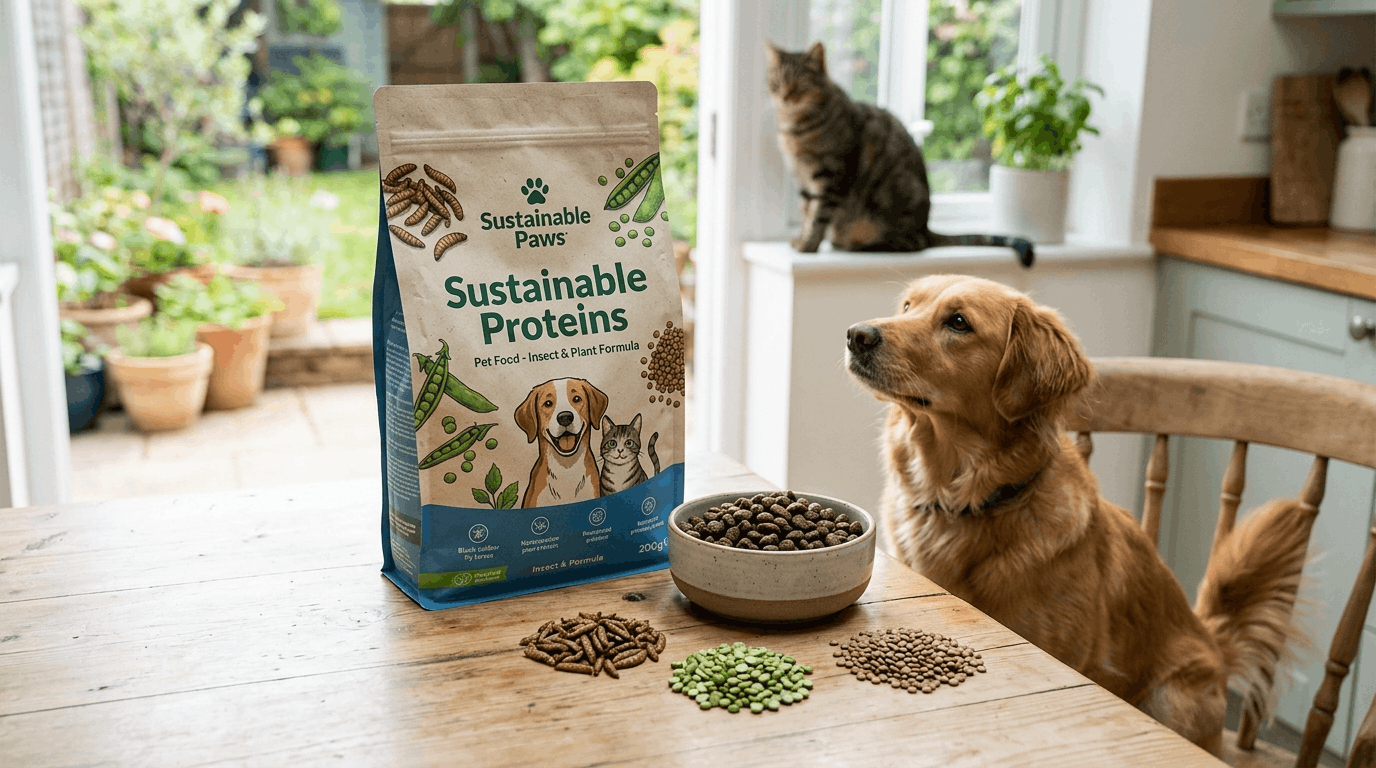

Understanding how sustainable proteins pet food choices reduce waste is becoming increasingly important for modern pet owners. While feeding your pet may seem like a simple daily task, the type of protein you choose has a direct impact on both environmental sustainability and food efficiency. Therefore, when you switch to better protein sources, you not only improve your pet’s nutrition but also reduce unnecessary waste across the entire supply chain.
Many traditional pet foods rely on inefficient production systems that generate excess waste during farming, processing, and distribution. However, sustainable proteins pet food options are designed to use resources more efficiently while minimizing environmental impact. As a result, your pet benefits from cleaner nutrition, and the planet benefits from reduced waste.
Why Food Waste Is A Growing Concern In Pet Nutrition
Food waste is not limited to leftovers in your kitchen. It also occurs during the production of ingredients used in pet food. Large-scale farming operations often produce excess materials that are discarded or underutilized. Therefore, understanding how sustainable proteins pet food systems address this issue is essential.
Traditional protein production requires significant resources, including water, feed, and land. When these resources are used inefficiently, waste increases. Additionally, transportation and processing contribute to further losses. This inefficiency highlights the need for better solutions.
By choosing sustainable proteins pet food options, you support systems that aim to reduce waste at every stage. These systems focus on using resources wisely, ensuring that more of what is produced is actually used.
How Sustainable Protein Sources Improve Efficiency
Sustainable protein sources are designed to maximize output while minimizing waste. For example, locally sourced meats reduce transportation needs, which lowers spoilage and resource loss. Similarly, alternative proteins like insects require fewer inputs and produce less waste.
When you select sustainable proteins pet food, you are choosing ingredients that are produced with efficiency in mind. This means fewer resources are wasted during production, and more of the protein reaches your pet’s bowl.
Additionally, these protein sources often have a smaller environmental footprint. By reducing energy use and emissions, they contribute to a more balanced and responsible system. Over time, this efficiency leads to less overall waste.
Using By Products To Reduce Waste
One of the most effective ways to reduce waste is by using by-products that would otherwise be discarded. In many cases, parts of animals that are not used for human consumption still contain valuable nutrients. Therefore, incorporating these into pet food helps reduce waste while maintaining nutritional value.
Sustainable proteins pet food often includes responsibly sourced by-products that are processed safely. This approach ensures that more of the animal is utilized, reducing the need for additional resources.
However, it is important to choose high-quality products that handle by-products properly. When done correctly, this method supports sustainability without compromising your pet’s health.
Reducing Spoilage Through Better Sourcing
Spoilage is another major contributor to food waste. When ingredients travel long distances or are stored improperly, they are more likely to go bad before use. Therefore, sourcing plays a key role in reducing waste.
Locally sourced ingredients are fresher and require less storage time. This reduces the risk of spoilage and ensures higher quality. Sustainable proteins pet food often prioritize local or regional sourcing to improve efficiency.
Additionally, improved packaging and storage methods help extend shelf life. These innovations reduce the amount of food that is discarded due to expiration. As a result, less waste is generated throughout the process.
Improving Portion Control And Feeding Efficiency
Waste does not only occur during production; it also happens during feeding. Overfeeding is a common issue that leads to uneaten food and health problems. Therefore, proper portion control is essential.
Sustainable proteins pet food options often focus on nutrient-dense formulas. Because these foods provide balanced nutrition, pets require smaller portions to meet their needs. This reduces the likelihood of leftovers and waste.
Additionally, clear feeding guidelines help pet owners avoid overfeeding. When you follow recommended portions, you use food more efficiently. This simple step contributes to reducing overall waste while supporting your pet’s health.
Encouraging Better Consumption Habits In Pets
Some pets are picky eaters, which can lead to wasted food. However, high-quality ingredients often improve palatability and encourage better eating habits. Therefore, sustainable proteins pet food can help reduce waste by increasing acceptance.
When pets enjoy their meals, they are less likely to leave food behind. This reduces the amount of uneaten food that must be discarded. Additionally, consistent feeding routines help reinforce good habits.
By combining quality ingredients with proper feeding practices, you create a system that minimizes waste. Over time, these habits lead to more efficient use of food resources.
Environmental Benefits Of Reduced Waste
Reducing waste has a direct impact on the environment. When less food is discarded, fewer resources are needed for production. This leads to lower energy use, reduced emissions, and less strain on natural systems.
Sustainable proteins pet food play a significant role in achieving these benefits. By focusing on efficient production and responsible sourcing, they help create a more balanced ecosystem.
Additionally, waste reduction supports long-term sustainability. As resources are preserved, future production becomes more viable. This ensures that both pets and the environment can thrive.
Supporting Brands That Prioritize Sustainability
Consumer choices have a powerful impact on the market. By supporting brands that focus on sustainability, you encourage better practices across the industry. Sustainable proteins pet food companies often invest in research, innovation, and ethical sourcing.
Look for brands that provide transparency about their ingredients and processes. Certifications or detailed sourcing information can help you make informed decisions. This ensures that your choices align with your values.
When more people choose sustainable options, demand increases. This encourages more companies to adopt similar practices, leading to broader change.
Simple Steps To Reduce Pet Food Waste At Home
While choosing the right food is important, daily habits also play a role. Proper storage helps maintain freshness and prevents spoilage. Therefore, keeping food in airtight containers and following expiration dates is essential.
Measuring portions carefully ensures that your pet receives the right amount of food. This reduces leftovers and prevents overfeeding. Additionally, maintaining a consistent feeding schedule helps regulate appetite.
Using sustainable proteins pet food alongside these habits creates a comprehensive approach to waste reduction. Small changes in daily routines can have a significant impact over time.
Conclusion
Sustainable proteins pet food offer a practical solution to reducing waste while improving your pet’s nutrition. By focusing on efficient production, responsible sourcing, and better feeding practices, these options address waste at every stage.
Although the concept may seem complex, the benefits are clear. Less waste means better use of resources, improved environmental health, and more efficient feeding for your pet. By making thoughtful choices, you contribute to a system that supports both your pet and the planet.
With consistent effort and informed decisions, sustainable proteins pet food can become a simple yet powerful part of responsible pet ownership. Over time, these choices help create a more sustainable future for everyone.
FAQ
1. What are sustainable protein sources in pet food?
They include responsibly sourced meat, alternative proteins, and ingredients produced with minimal waste.
2. How do these proteins reduce food waste?
They improve efficiency in production, reduce spoilage, and use more of each resource.
3. Are sustainable pet foods healthier for pets?
Many options provide cleaner ingredients and balanced nutrition, supporting overall health.
4. Can switching food reduce waste at home?
Yes, better portion control and higher quality ingredients often lead to less uneaten food.
5. How can I choose the right sustainable pet food?
Look for transparent brands, quality ingredients, and clear sourcing practices.