
Eco friendly pet bed disposal is an important step for pet owners who want to reduce waste and make more responsible choices. While pet beds provide comfort and support for dogs, they do not last forever. Over time, wear and tear can make them unusable, and many people simply throw them away without considering the environmental impact. However, with the right approach, you can dispose of old pet beds in ways that minimize waste and support sustainability.
Many pet beds are made from synthetic materials that do not break down easily in landfills. Because of this, improper disposal contributes to long-term environmental damage. By exploring eco friendly pet bed disposal options, you not only reduce your footprint but also make smarter use of materials that still have value.
Why Proper Disposal Matters For The Environment
When pet beds end up in landfills, they often remain there for years without breaking down. This is especially true for beds made with foam, polyester, or plastic-based materials. Therefore, understanding eco friendly pet bed disposal helps prevent unnecessary waste from accumulating.
Additionally, discarded pet items can contribute to pollution if not handled properly. Materials may release harmful substances over time, affecting soil and water. By choosing responsible disposal methods, you reduce these risks while promoting a cleaner environment.
Another factor to consider is resource conservation. Many components of pet beds, such as fabric and stuffing, can be reused or repurposed. Instead of discarding everything, eco friendly pet bed disposal encourages finding new uses for these materials.
Assessing Whether The Bed Can Be Reused
Before deciding to dispose of a pet bed, consider whether it can still be used. In some cases, minor repairs can extend its lifespan. For example, sewing a torn cover or replacing worn stuffing can make the bed usable again.
If your pet has simply outgrown the bed, it may still be suitable for smaller animals. Donating gently used beds is one of the easiest eco friendly pet bed disposal methods. Animal shelters and rescue groups often accept clean and functional items.
Additionally, giving the bed to a friend or neighbor with pets is another practical option. By reusing items, you reduce waste while helping others. This simple step plays a key role in eco friendly pet bed disposal efforts.
Donating To Animal Shelters And Rescue Centers
Animal shelters frequently operate with limited resources, so donations can make a significant difference. Beds that are clean and in good condition can provide comfort for animals in need. Therefore, donating is one of the most impactful eco friendly pet bed disposal choices.
Before donating, always check the shelter’s guidelines. Some organizations have specific requirements for hygiene and condition. Washing the bed thoroughly ensures it meets their standards and is safe for use.
This option not only reduces waste but also supports animal welfare. By choosing eco friendly pet bed disposal through donation, you give your pet’s old bed a second purpose.
Recycling Materials From Old Pet Beds
Recycling is another effective approach when a bed is no longer usable. Many pet beds contain components that can be separated and processed. For instance, fabric covers may be recyclable depending on local facilities.
Foam and stuffing can sometimes be reused in other household projects. Although not all recycling centers accept these materials, checking local guidelines can help you find suitable options. Eco friendly pet bed disposal often starts with understanding what can be recycled in your area.
Even if full recycling is not possible, partial reuse still reduces waste. Breaking down the bed into smaller components allows you to handle each material more responsibly.
Repurposing Pet Bed Materials At Home
Creative reuse is one of the most practical eco friendly pet bed disposal strategies. Old pet beds can be transformed into useful items around the home. For example, the stuffing can be used for cushions or DIY projects.
Fabric covers can be repurposed into cleaning rags, pet blankets, or protective layers for furniture. Additionally, foam inserts can be used as padding for storage boxes or garden kneeling pads.
By repurposing materials, you extend their usefulness and avoid unnecessary waste. This approach supports eco friendly pet bed disposal while also saving money on new items.
Using Textile Recycling Programs
Many communities offer textile recycling programs that accept items not suitable for donation. These programs process materials into new products, reducing the need for raw resources. Therefore, they play an important role in eco friendly pet bed disposal.
Before using these services, check which materials are accepted. Some programs may require you to remove certain components, such as zippers or foam inserts. Following these guidelines ensures proper processing.
Textile recycling is especially useful for heavily worn beds that cannot be reused. By choosing this option, you contribute to a circular system that reduces waste and promotes sustainability.
Choosing Biodegradable Pet Beds In The Future
While disposal is important, prevention is even better. Selecting eco-friendly pet beds from the start makes future disposal easier. Many brands now offer beds made from natural or biodegradable materials.
These products break down more easily and have a smaller environmental impact. Additionally, they often use recycled materials, which further reduces waste. By making thoughtful choices, you support eco friendly pet bed disposal from the beginning.
Although these options may cost more initially, they provide long-term benefits for both your pet and the environment. Investing in sustainable products reduces the need for frequent replacements.
Avoiding Common Disposal Mistakes
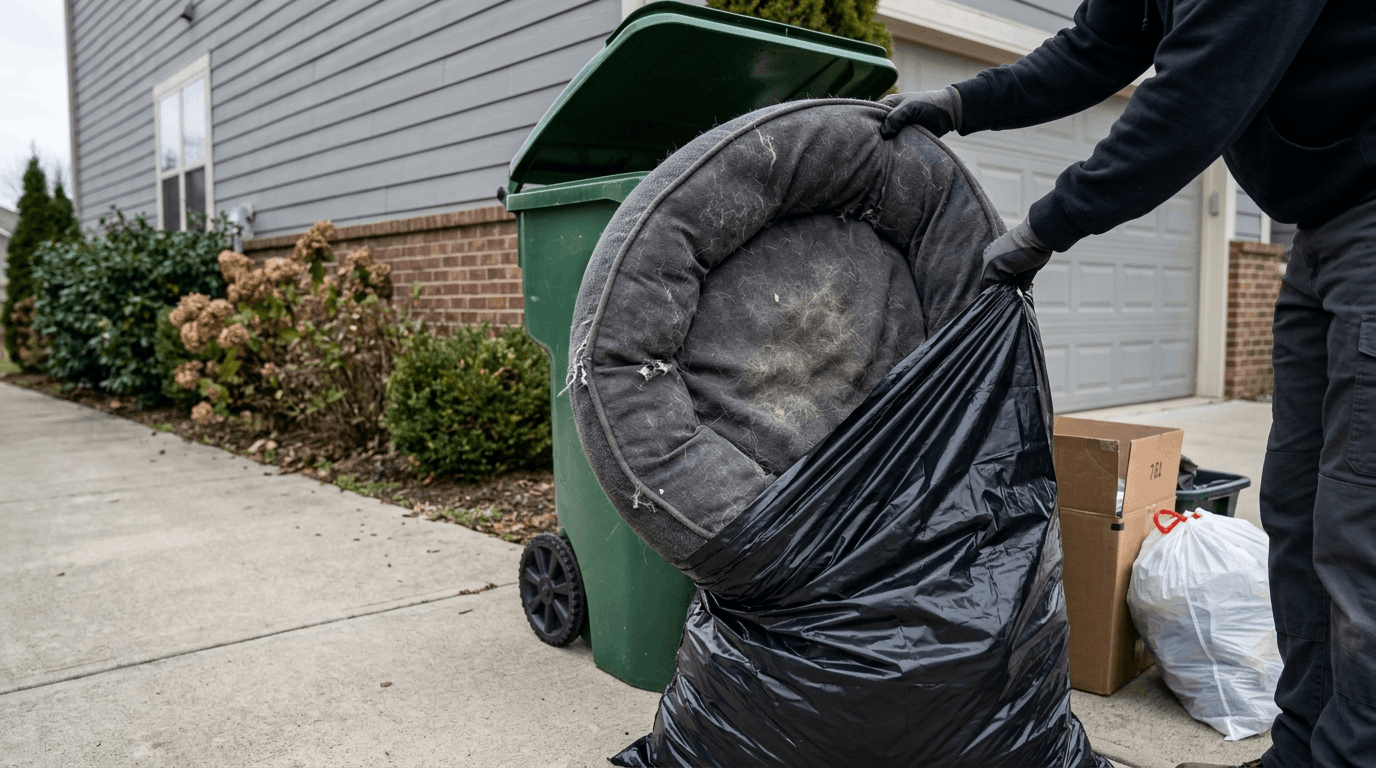
Many people unknowingly dispose of pet beds in ways that harm the environment. For example, placing large items in general waste without considering alternatives increases landfill use. Therefore, awareness is key to eco friendly pet bed disposal.
Another common mistake is failing to clean items before donating. Dirty or damaged beds are often rejected, leading to unnecessary waste. Taking a few extra steps ensures your efforts are effective.
Additionally, avoid mixing recyclable materials with general waste. Separating components allows for better processing and reduces environmental impact. By avoiding these mistakes, you improve your eco friendly pet bed disposal approach.
Encouraging Responsible Pet Ownership
Responsible pet ownership extends beyond feeding and care. It also includes making thoughtful decisions about products and waste. By practicing eco friendly pet bed disposal, you set a positive example for others.
Sharing knowledge with friends and family can help spread awareness. Small changes, when adopted by many people, can lead to significant environmental benefits. Encouraging responsible habits supports a more sustainable future.
Additionally, involving children in these practices teaches valuable lessons about conservation and responsibility. This awareness helps build long-term habits that benefit both pets and the environment.
Conclusion
Eco friendly pet bed disposal is a simple yet impactful way to reduce waste and support environmental sustainability. By exploring options such as donation, recycling, and repurposing, you can extend the life of materials and minimize landfill use.
Although it may require a bit more effort, the benefits are clear. Responsible disposal not only protects the environment but also supports communities and animal welfare. By making informed choices, you contribute to a cleaner and more sustainable future while caring for your pet responsibly.
FAQ
1. Can I donate an old pet bed to shelters?
Yes, as long as it is clean and in good condition, many shelters will accept it.
2. What should I do with a damaged pet bed?
Consider recycling or repurposing the materials instead of throwing it away.
3. Are all pet beds recyclable?
Not all are fully recyclable, but many components can be separated and reused.
4. How can I reuse stuffing from old beds?
Stuffing can be used for cushions, crafts, or other household projects.
5. What is the best long-term solution for reducing waste?
Choosing sustainable, durable, and biodegradable pet beds helps reduce future disposal issues.